
Introduction
I once sat in a car that took longer to charge than it did to fly to another city. The scene is familiar: a crowded lot, a blinking screen, and a queue of drivers checking their watches (and their tempers). In the second sentence I want to say this clearly — the all-in-one charging station that promised convenience often delivers friction instead. Recent surveys show wait times spiking at busy hubs and uptime dropping during peak hours; those numbers matter to real people and real fleets. So I ask: what technical and human gaps are we still ignoring? Let’s start by mapping the experienced pain and then move to what fixes actually work.
Why Current Designs Fall Short
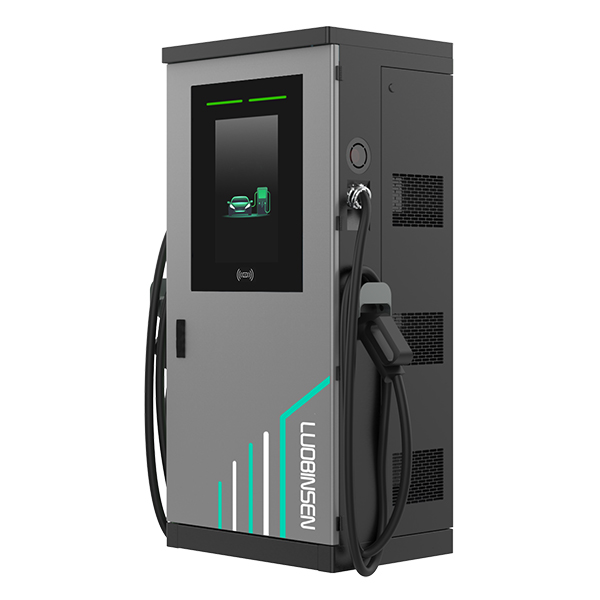
I’ll be blunt: much of the current electric vehicle charging ecosystem was designed for steady, planned loads—not the messy reality of today’s usage spikes. The core systems inside electric vehicle charging equipment—power converters, thermal management, and charging controllers—often cope poorly when dozens of users descend on a hub at once. I’ve watched a single faulty power converter stall an entire row of chargers. It’s not just bad timing; it’s a design choice that trades resilience for lower up-front cost.
Technical deep dive: many stations rely on centralized control logic that creates a single point of failure. When the controller lags, the whole site lags. Add mixed-age hardware—older DC fast charging units alongside newer modules—and you get coordination problems. Look, it’s simpler than you think: modular designs and distributed intelligence reduce those choke points. Yet the market still pushes monoliths. From my experience, poor thermal design and limited cooling margins lead to deratings in hot weather, and that cuts real output during demand peaks. Edge computing nodes and smart load balancing could help, but only if they’re built into the architecture from day one.
What exactly breaks under pressure?
Answer: communication latency, inadequate power converters, and thin margins in battery management. Those three fail, and user trust follows.
What Comes Next: Principles for Better Chargers
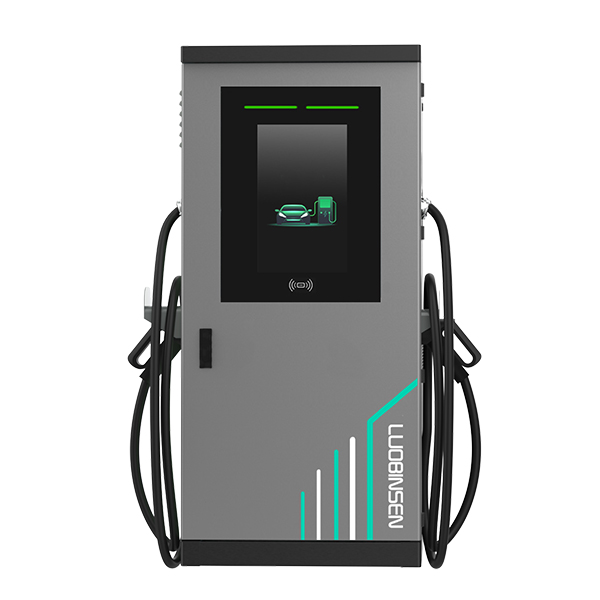
Looking forward, I want to talk about practical principles rather than buzzwords. If we build systems around modular power modules and peer-to-peer communication, we reduce single points of failure. A modern 200kw charger—like the kind many fleets now demand—must include adaptive thermal control, scalable power converters, and real-time diagnostics. That combination supports higher uptime and faster recovery after brief faults. I’m excited by systems that let charging modules share load in seconds; they act like a team. — funny how that works, right?
Implementation notes: design for graceful degradation. If one module drops out, others should pick up the slack without a full site shutdown. Use edge computing nodes to run local balancing algorithms. Prioritize interoperability so new modules work with legacy gear. These are engineering choices that pay back in customer satisfaction and lower operating costs. We shouldn’t pretend this is simple—there are trade-offs in cost and complexity—but the gains are measurable. Wait for it. The next wave will be about smarter orchestration, not just raw power.
Real-world impact?
Yes. Sites that adopt modular, distributed designs report fewer full-site outages and higher average throughput. Fleet operators see predictable windows for charging. Riders face shorter waits. That’s the point.
Choosing the Right Solution: Three Metrics I Trust
I’ll leave you with three practical metrics I use when evaluating an all-in-one charging site. First: effective uptime under load—measure it during peak hours, not just in lab tests. Second: mean time to recovery (MTTR) for module failures—how fast does the system reconfigure? Third: thermal headroom at rated power—does the charger keep output in hot conditions? Use these. They reveal more than glossy specs.
In closing, I’ve grown picky about design that favors maintainability and real-world resilience over low entry cost. I want chargers that keep people moving, not make them wait. If you’re comparing systems, test them under realistic stress and ask for modular roadmaps. For teams building and deploying these systems, I recommend starting with distributed control and robust cooling. For anyone shopping—prioritize uptime, recovery, and thermal margin. If you need a practical example of where these ideas are already in the field, check designs from Luobisnen. We’ll get there—step by step, with fewer surprises along the way.