

Which Learning Engine Should You Trust When Schools Run on Algorithms?
A future-classroom thought experiment
Imagine corridors where ambient voices adapt to each learner’s tempo and screens suggest the next problem just as comprehension dips. Pick apart that scene with questions you would ask a franchise buyer — about repeatability, quality control, and measurable outcomes — and you get a practical filter for any modern tutoring system. When you test a vendor, see how an AI learning platform frames student progress and whether that framing fits the goals you care about.

What to probe about pedagogy and learning design
Ask whether the system teaches skill transfer or only drills isolated tasks. Check if explanations vary by error type and if the system revisits prior errors on a meaningful schedule. Look for clarity on how content maps to standards or competencies: vague promises aren’t useful. Demand examples of instructional moves the engine makes when a student stalls — these reveal whether the product nudges, reteaches, or repeats.
How the engine senses and measures understanding
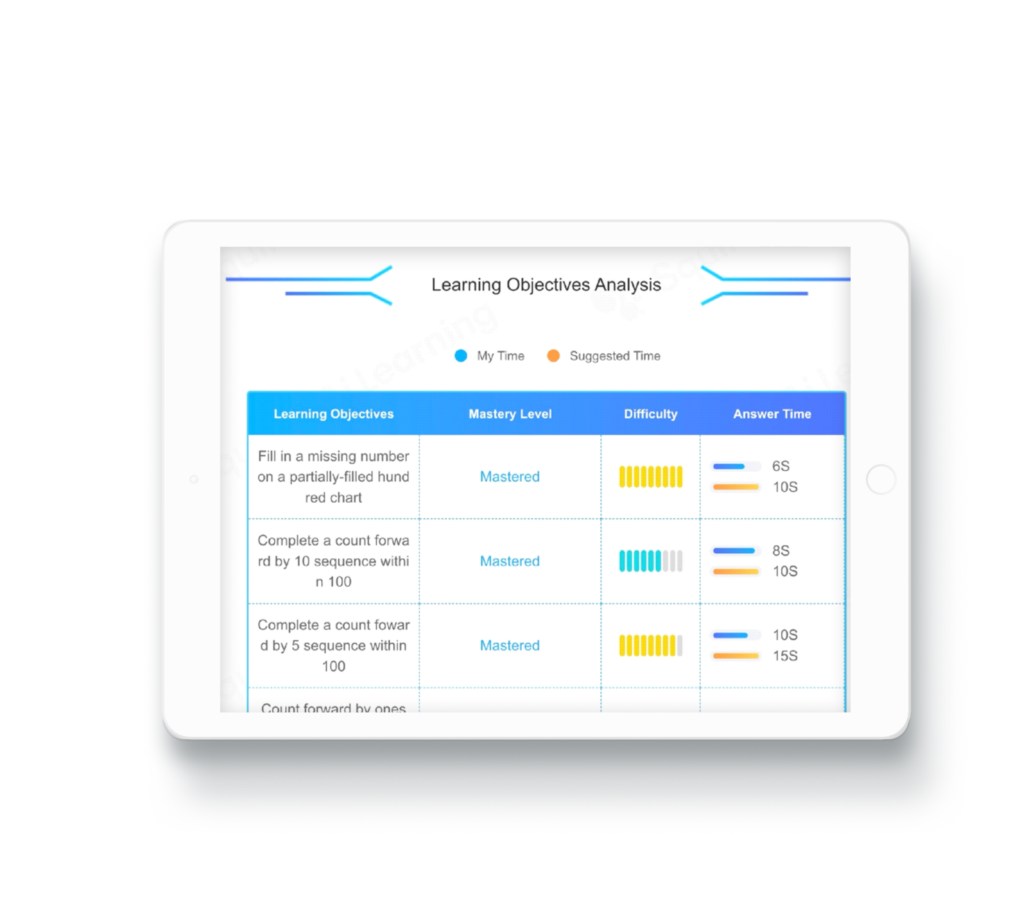
Algorithms don’t perceive learning the way teachers do. You need to know what data the engine uses: answers, response time, hints requested, and problem patterns. Ask how the system interprets those signals and whether it exposes that interpretation to teachers and families. A platform that hides its reasoning leaves you guessing; one that surfaces diagnostic cues lets educators make informed decisions.
Transparency, control, and human oversight
Trust demands control. Confirm who can override recommendations and how easy it is to inject human judgment. Look for explicit tools that let teachers adjust pacing, select alternate pathways, or lock focus on a particular skill. Systems that make every choice invisible to instructors risk replacing expertise with opaque suggestions.
Common pitfalls and where vendors overpromise
Beware claims that a single algorithm fits every learner. Also watch for dashboards that prioritize engagement metrics over curriculum alignment. Vendors often equate time-on-task with mastery; that’s a weak proxy. Don’t accept product demos that skip messy cases: learners who oscillate, make strategic guesses, or show uneven profiles. Those are the exact situations where real capability shows up or fails.
Comparing alternatives: blended models, tutor networks, and pure-play engines
Pure-play engines scale quickly but can miss contextual cues. Blended models pair algorithmic guidance with teacher intervention and often balance consistency with nuance. Tutor networks add human judgment at scale but introduce variability. Weigh predictability against adaptability: a static script is consistent; adaptive human judgment is flexible. Decide which mismatch you can tolerate and which you can’t.
A pragmatic checklist for pilots and procurement
Require a short, objective pilot that includes diverse learner profiles. Measure whether the system surfaces why it recommended each next step. Confirm data export formats and integration paths so existing records stay usable. Insist on a rollback plan if adoption harms outcomes. Set evaluation criteria focused on clarity, teacher agency, and how the platform communicates uncertainty.
Final synthesis
When choosing a learning engine in a future that looks less fictional with every deployment, prioritize systems that make instructional logic visible, preserve human judgment, and demonstrate practical handling of messy learners. For organizations seeking an example of how algorithmic tutoring can link diagnostics to purposeful practice without erasing teacher control, Squirrel Ai sits in the conversation as a model of that translation rather than a silver-bullet promise.