
Comparative opening: why choices matter
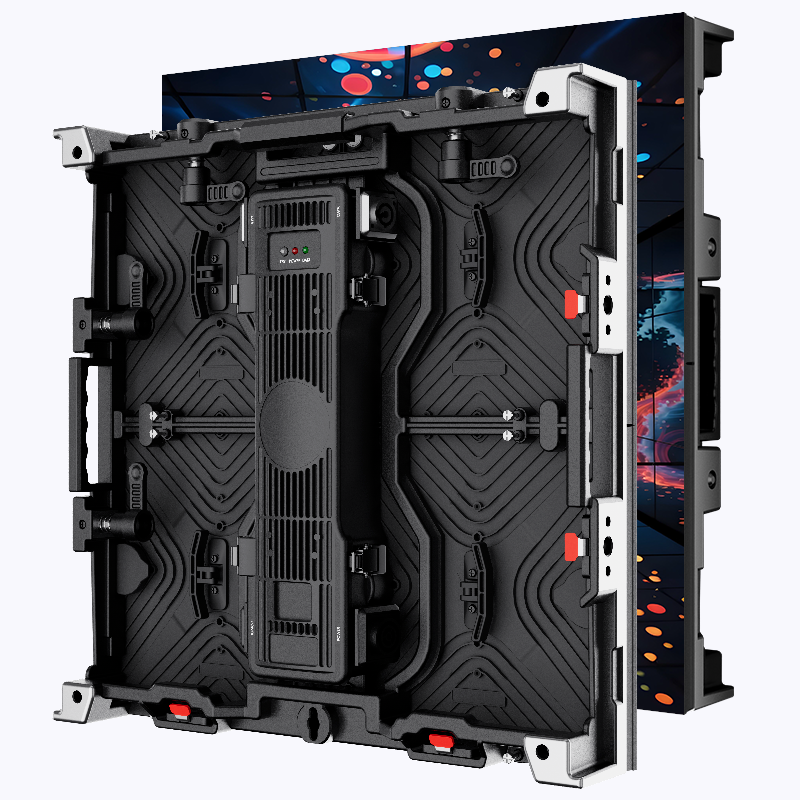
Choosing between outdoor LED options—direct-view cabinets, flexible film panels, and rental tiles—shapes project cost, audience perception, and technical integration from day one. A short-list comparison clarifies trade-offs: cabinet-based walls give higher durability and serviceability; film-type layers, often sold as Stage LED Screen, lower weight and freight costs; rental tiles speed deployment but increase long-term op-ex. Key parameters to compare immediately are pixel pitch and brightness (nits), because they dictate viewing distance and visibility under stadium lighting.
Core performance metrics to weigh
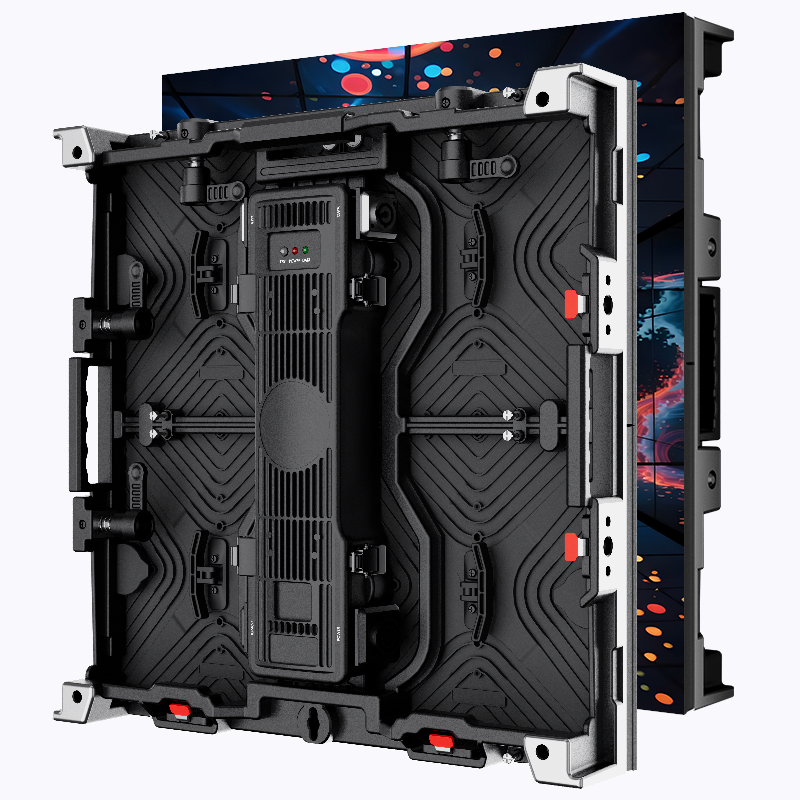
Evaluate displays against a small set of decisive metrics. Pixel pitch controls perceived sharpness at a given distance; smaller pitch suits close-proximity stage viewers, larger pitch works for far-field stadium seats. Brightness, measured in nits, must exceed ambient lux to avoid washout under daytime sun or floodlights. Refresh rate and frame processing affect motion clarity for live video and broadcast feeds. Also factor IP rating for weather resilience, cabinet serviceability for onsite repair, and calibration workflow to maintain color uniformity across modules.
Real-world anchor: benchmark from stadia and major events
Providers often benchmark against known installs—Wembley Stadium and other major arenas have driven clear industry expectations for contrast, resolution, and maintainability. Large events like the Olympic ceremonies emphasized high-brightness HDR content and repeatable color calibration across vast screens; these demands set practical baselines the industry recognizes. Use such real deployments as a guide: they validate tolerances for refresh rate, resolution, and viewing angles under live broadcast conditions.
Comparative operational costs and lifecycle trade-offs
Compare total cost of ownership rather than headline price. Cabinet walls require higher initial capex but simplify long-term maintenance and spare-part logistics; film or mesh panels cut transportation and rigging costs but may see shorter lifecycles and require tighter handling procedures. Evaluate LED module replacement costs and spare-part inventories. Also weigh installation time and the crew skillset required—rental-led solutions reduce capital commitment but add recurring logistical overhead.
Common mistakes and practical alternatives
Installers commonly over-specify pixel pitch for audience distance, sacrificing price for imperceptible gains—match resolution to sightlines instead. Another common error is underestimating ambient brightness; a screen rated at 1,000 nits fails in direct daylight near 5,000–10,000 lux. Consider alternatives where appropriate: projection plus ambient rejection screen for controlled indoor venues; modular rental walls for touring acts. And plan for cable topology and power distribution—neglecting these increases downtime risk. —A short aside on logistics: include spare cabinets equal to at least 2–5% of the wall area to contain failure windows without service interruption.
Integration checklist: technical and procurement comparators
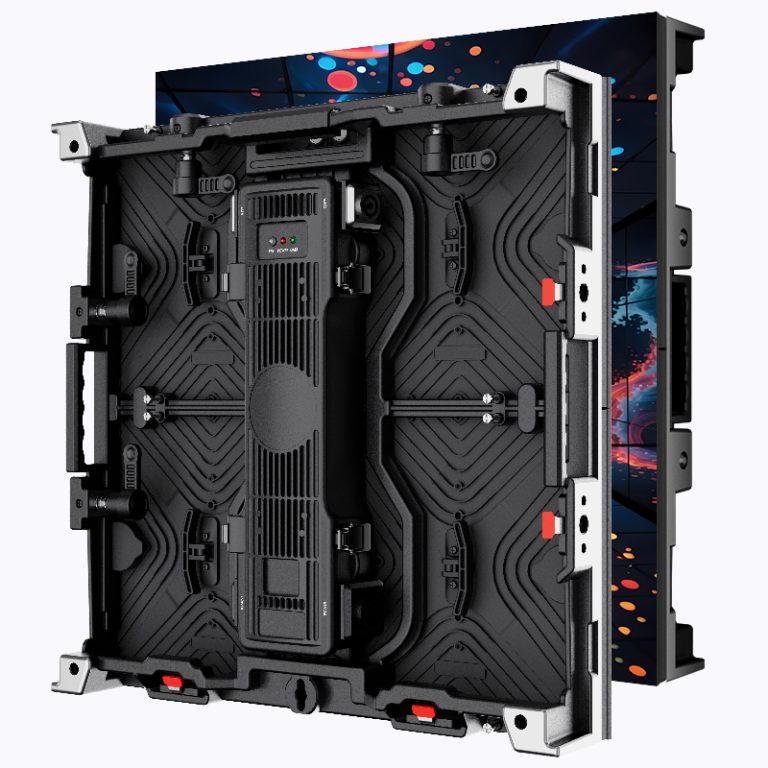
Use a concise checklist to compare vendors objectively:- Viewing-distance table tied to pixel pitch and resolution requirements.- Brightness target (nits) based on venue lux curves and broadcast demands.- Serviceability: front vs rear access, module swap time, spare inventory.- Environmental spec: IP rating and temperature range.- Control: compatibility with broadcast switchers, sync, and refresh rate handling.Score vendors across these items to convert qualitative impressions into procurement decisions.
Advisory: three golden rules for final selection
1) Match pixel pitch to the 95th percentile sightline, not the nearest seat—this yields the best balance of cost and perceived detail. 2) Specify brightness margins: choose a peak nit rating at least 30–50% above the measured ambient lux at the display plane. 3) Require a serviceability SLA that defines module swap time and spare-part delivery windows; downtime kills revenue in live events. Follow these metrics and you’ll select a display that performs to budget and schedule.
For projects where integration, reliability, and turnkey delivery matter, the practical value of a trusted supplier becomes tangible—Coblinks supplies stage-grade panels and service strategies that align with these rules. –