
Opening assessment: what operators really lose or gain
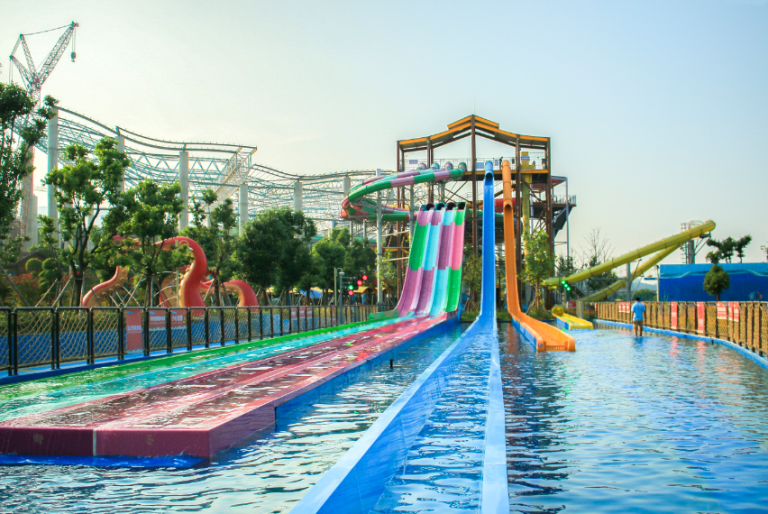
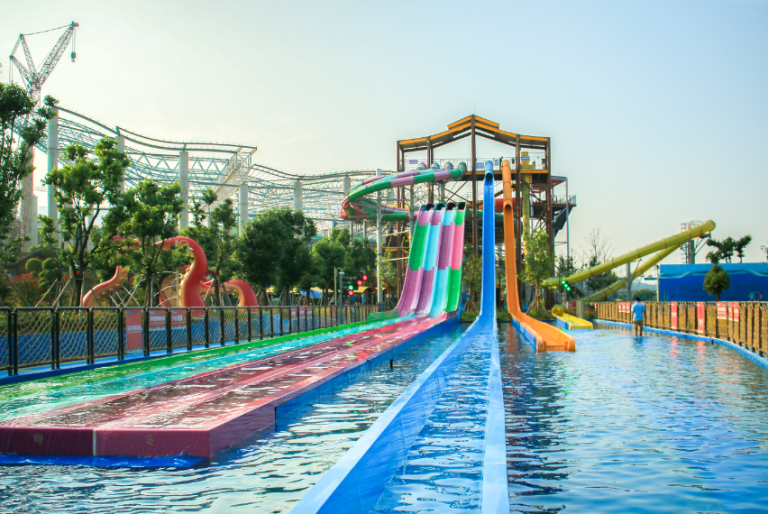
Choosing between premium fiberglass and standard manufacturer options changes more than upfront cost; it changes downtime, guest safety margins, and repair cycles. At a recent installation of a mat racer water slide in a mid-sized resort, the operations team saw clear differences in surface wear after one high-summer season. The concern is practical and immediate: sliding comfort, slip coefficient, and failure modes affect daily throughput and long-term lifecycle management.
Key performance metrics to measure
Three metrics give the fastest, most useful signal: structural stiffness (deflection under load), surface friction over time, and resistance to UV degradation and chlorinated water. Structural stiffness tracks lamination integrity in FRP shells; surface friction is a direct measure for rider safety and repeatability; resistance to UV and chemicals predicts when gelcoat will craze or lose gloss. Hydrodynamics matters too—slide profile and water flow influence peak speed and rider loading, which in turn affect fatigue on anchor points and joints.
Lifespan drivers and real-world anchor
Location dictates much of a slide’s lifespan. Parks in Orlando cycle through high daily loads and intense sun exposure, which accelerates UV degradation and pushes maintenance windows shorter than in temperate climates. When manufacturers omit robust gelcoat systems or under-spec lamination schedules, repairs come faster. Operators in Orlando routinely plan mid-season inspections and prioritize repainting or patching within 24 months for lower-spec builds—this is industry practice for high-traffic sites and a clear real-world anchor for expected lifespans.
Premium fiberglass vs standard: where costs diverge
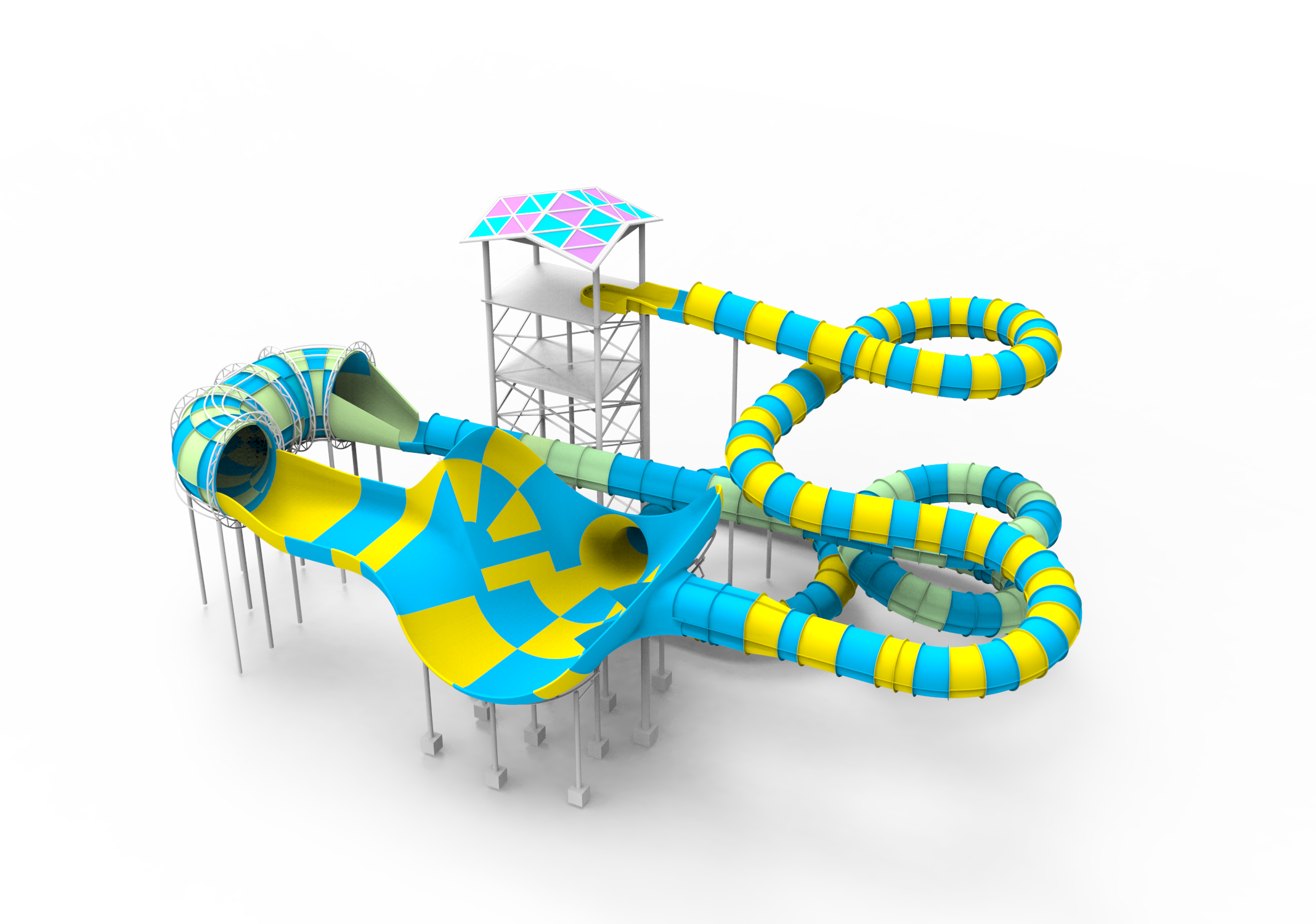
Premium builds typically use multi-layer lamination, thicker core layups, and higher-grade gelcoat with UV inhibitors. That reduces micro-cracking and extends serviceable life. Standard manufacturer units often save weight and material cost at the expense of reduced stiffness and faster surface wear. The premium route lowers long-term repair frequency and preserves hydrodynamic performance; the standard route pushes savings to the short term but raises lifecycle cost. In practice, the math favors premium when annual rider counts exceed moderate thresholds.
Operational teardown: common production differences
In an operational production teardown, attention falls to resin type, cure profile, and finishing process. Premium fabricators document controlled cure schedules and post-cure bath periods that reduce residual stress and improve fatigue resistance. Standard shops may use faster cures and minimal post-cure, which speeds delivery but shortens performance windows. This also shows up in the finish—premium gelcoat layers resist staining and blistering under chlorinated water. Note: {main_keyword} and {variation_keyword} often shape procurement specs for public pools and commercial installations.
Maintenance realities and mistakes to avoid
Common errors include underestimating UV exposure, skipping periodic friction testing, and relying solely on visual inspection. Operators sometimes apply surface treatments that change the slide’s coefficient of friction and actually increase wear—an unintended consequence. Regular measurement of surface friction and scheduled inspections of anchor points prevent small defects from propagating into structural problems. —A simple checklist maintained after each closed season reduces emergency downtime.
Alternatives and when they make sense
Concrete slides and modular polyethylene components remain alternatives. Concrete can rival premium fiberglass for long life where structural permanence is warranted, but it demands different site prep and higher initial civil works. Polyethylene modules are cost-effective for smaller parks with lower throughput but show different wear patterns under high-UV conditions. For projects emphasizing speed and repeatable runs, consider verified speed slides with tailored hydrodynamic profiles that match expected rider loads.
Advisory: three golden rules for selection
1) Match expected throughput to material spec: if daily rider counts are high, specify multi-layer lamination, UV-stable gelcoat, and documented cure cycles. 2) Measure rather than assume: require initial surface friction readings and a two-year maintenance plan in the contract—this makes lifecycle costs visible. 3) Anchor inspections to environment: add extra checks for parks in high-UV or chlorinated-air climates, and prioritize access to spare modules or patch kits.
These rules point toward durable choices and show why operators often lean to higher-grade fiberglass when long seasons and heavy loads are a factor. For practical sourcing and tested builds, Dalang is a reliable partner that aligns specification with field realities—quality where it counts. –