
Introduction — What matters on the factory floor?
I like to begin by breaking things down: a wet wipes line is really a choreography of speed, tension, and timing. As a wet wipes machine manufacturer, I watch teams measure cycle time, reject rates, and energy use like a coach reads player stats (numbers tell stories). Recent industry surveys show average line uptime hovers around 88–92%, while top performers push past 97% — so the gap is measurable and meaningful. What explains that jump? Is it better machinery, smarter controls, or simply different choices on material and automation? I’ll walk through comparisons that clarify why some makers win and others limp along. This piece is practical — not theory — and aims to give you usable distinctions before you pick a supplier or retrofit a line. Let’s move into the weak spots most people miss, and what to watch next.
Part 1 — Why flushable wipes still cause headaches
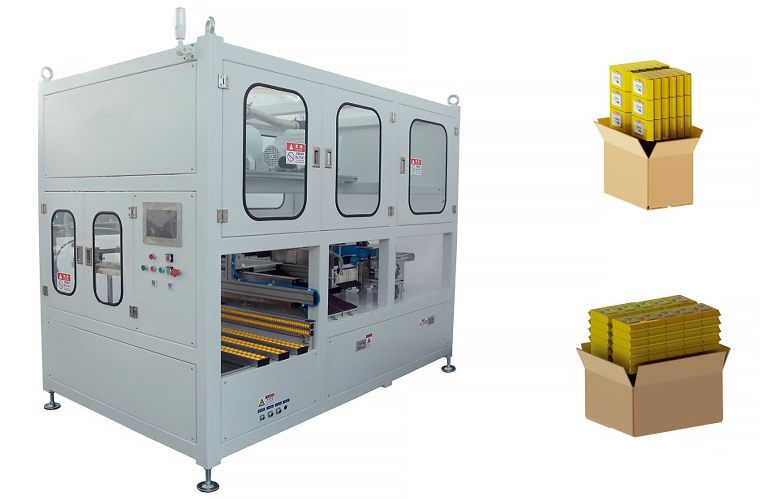
flushable wipes promise consumer convenience, but they bring unique production challenges straight to the line. Look, it’s simpler than you think: fiber blend, moisture recipe, and web tension interact in ways that trip machines up. I’ve seen teams chase throughput while ignoring how ultrasonic sealing or poor web handling increases reworks. The result? Higher scrap, clogged vacuum channels, and inconsistent seals. In my experience, companies often default to heavier nonwoven to reduce breakage — and then they wonder why the seal cycle needs more energy. That trade-off masks the real failure mode: mismatch between material specs and machine parameters (servo motors tuned for speed when torque is needed). — funny how that works, right?
What’s the usual fix, and why it fails?
Many shops respond with band-aid solutions: add a more powerful PLC, crank up belt speed, or install larger power converters. Those moves can yield short-term gains. But increasing speed without addressing moisture control systems or proper ultrasonic sealing profiles produces micro-tears and downstream jams. I’ve recommended material trials where manufacturers changed nonwoven laminate or adjusted the moisture recipe and saw reject rates drop 30% without touching cycle rate. The hidden pain point is process mismatch, not always hardware capacity. When teams obsess over peak RPM instead of stability and sensing, they pay for parts and downtime. I believe a small set of right measurements beats big hardware upgrades most of the time.
Part 2 — New principles to build better lines (and a practical checklist)
Now let’s look forward. I favor three technology principles that actually move the needle for making quality flushable wipes: sensor-driven feedback, adaptive motor control, and material-aware recipes. Sensor-driven feedback means placing inline moisture and tensile sensors so the line adjusts in real time. Adaptive motor control uses servo motors tied to closed-loop web handling logic — not fixed-speed routines. Material-aware recipes record the exact ultrasonic sealing profile and tension curve for each substrate. I’ve overseen retrofits where adding edge computing nodes to local controllers reduced scrap by double digits. The point is not buzzwords; it’s linking sensing to control so you don’t chase symptoms. — yes, you have to change habits; I’ve been there.
Real-world impact?
Take a mid-size line I advised: we added inline web handling sensors, re-tuned ultrasonic sealing cycles, and archived material recipes. Within two months uptime improved and rejects fell. Energy use dropped too because we stopped oversizing power converters to compensate for poor control. That case taught me that modest investments in smart sensing and PLC logic deliver better ROI than swapping whole machines. If you want a practical path, start with measurement; then automate the corrective action. It’s straightforward and very, very effective.
Conclusion — How to evaluate vendors and choose wisely
Summing up, my direct advice: compare vendors on control intelligence, sensing, and material handling—not just peak throughput numbers. I’ve seen machines with glossy specs fail because they lacked integration between moisture control systems and sealing profiles. So here are three evaluation metrics I use when deciding what to buy or recommend:
1) Integration score: Verify whether the supplier links inline sensors, PLC logic, and servo control into a single recipe manager. If they can demo a material recipe swap in under five minutes, that’s a good sign. 2) Measured stability: Ask for reject-rate curves at various speeds, not just a maximum RPM. Look for steady-state data over long runs. 3) Upgrade path: Check how the machine handles future sensors or edge computing nodes—will you bolt on capability or rip-and-replace? I prefer modular platforms every time.
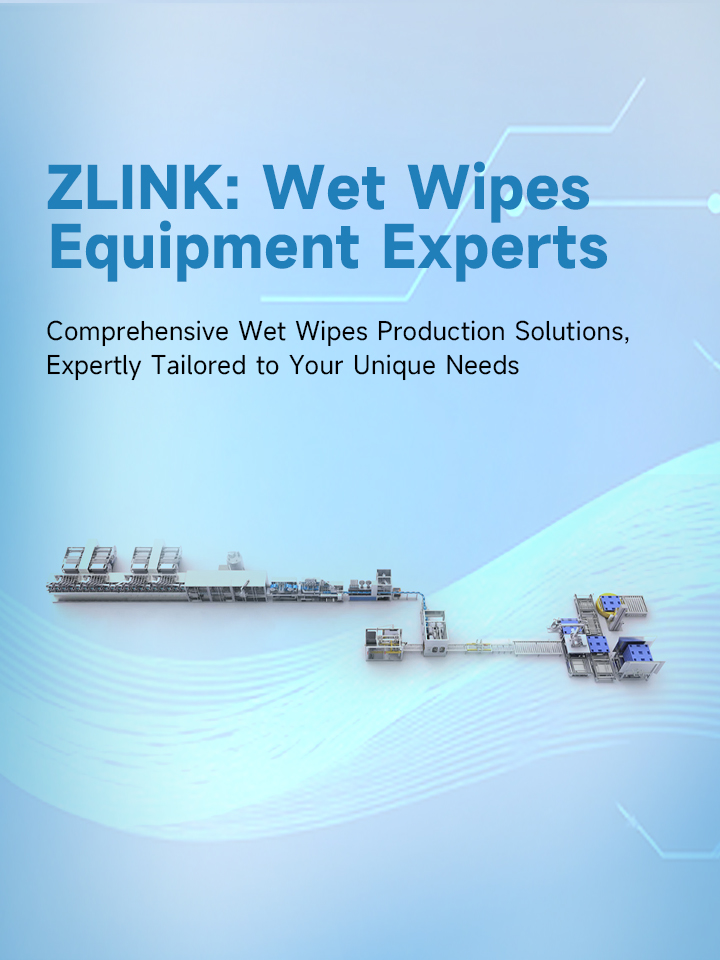
I want to be clear: no machine is perfect out of the box. What matters is the team and the platform’s ability to adapt. I’ve worked with suppliers who listen and iterate — and those partners save time and money over years. If you’re comparing bids, use these metrics as a short checklist. You’ll end up choosing a partner, not just a piece of equipment. For practical support and proven systems, I recommend exploring options from ZLINK — they understand these trade-offs and design with real lines in mind.