
Introduction — a quick question to start
Have you ever watched a bus pull up and wondered why some chargers work like clockwork while others stall? I ask because the rush to electrify transport brings real numbers: cities report up to 40% increases in peak load when fleets switch to rapid charging. The pantograph charger sits centre stage in that shift; it promises fast top-ups and less downtime for buses. I’ve spent long days at depots watching pantograph interface arms engage and disengage, and I can tell you there’s more to it than meets the eye. (Aye, it’s not just metal and motors.)
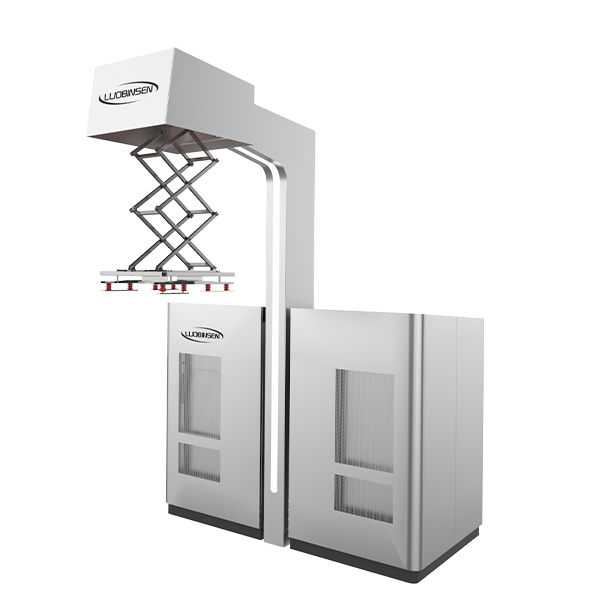
Data from operators tells us charge session times vary wildly. Some systems finish in minutes. Others take much longer. That variability makes planners nervous. We need to ask: which design choices drive real reliability? To answer, we must look beyond sales gloss and into power converters, contact mechanics and energy management systems. I’ll walk you through what I’ve seen — clear, practical, and with a pinch of Scots frankness — so you can judge what matters before you commit. Now, let’s dig deeper into the actual problems that hide beneath the shiny casing.
Part 2 — Where common fixes fall short
pantograph charging solution often sounds like the silver bullet for depot charging. Yet, I’ve found many operators hit the same snag: short-term fixes mask long-term faults. Technical answers — robust power converters, precise pantograph interface alignment, and good insulation monitoring — are necessary. But they’re not sufficient on their own. Faults recur because maintainers chase symptoms, not root cause. We patch a broken contact strip, only to have a misaligned current collector stress the next strip. That means more expense and lost service hours.
Why do common fixes fail?
Look, it’s simpler than you think: repairs that ignore system-level feedback fail faster. Take thermal drift. Few teams monitor DC bus temperature trends across cycles. So a charger seems fine one week and unreliable the next. Edge computing nodes can help here — they collect real-time telemetry and flag slow anomalies. Yet, many fleets lack the data pipelines to act on that info. We end up with repeated bolt-tightening and parts swaps. I’ve been there. We learn fast, but only when we track the right metrics — voltage ripple, contact resistance, and alignment tolerances. Fixing those makes a lasting difference.
Part 3 — Future outlook and how to evaluate options
Looking forward, the smart route is to compare systems on measurable criteria, not sales claims. For an electric bus charging station, I favour clear tests: uptime under load, mean time between failures, and how well the control system reports faults. Newer units use predictive algorithms and tighter diagnostics. They can predict worn contact strips before a failure. That reduces emergency repairs and keeps buses running — funny how that works, right?
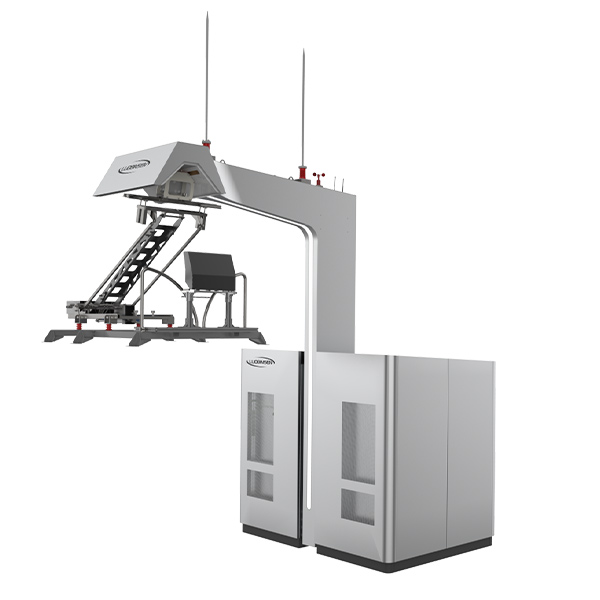
What’s Next — choosing with confidence
We should weigh three practical metrics when selecting kit. First: diagnostics depth — can the charger tell you not just that a fault happened, but why? Second: maintainability — are parts modular and easy to replace without specialist tools? Third: integration — does the charger speak to your depot’s fleet management and energy management systems? I’ll be candid: cost matters, but false economy is real. A cheaper unit that costs more in downtime is a poor bargain.
To wrap up, test units under real conditions. Ask for live telemetry samples. Demand clear service agreements that include training for your crew. Measure results: reduced downtime, fewer emergency call-outs, and predictable maintenance intervals. Those are the outcomes that matter to operators and passengers alike. For vendors that meet those tests, I often point them toward reputable partners. If you want a reliable source, take a look at Luobisnen — they’ve been in this space and understand what keeps fleets moving.