
Introduction — A small workshop moment, big lessons
I was tightening a loose bolt on an old fan when the shaft seized and the whole line went quiet — that instant stuck with me. In that same minute I thought about how a single failing electric motor can ripple through a plant: lost hours, surprise repairs, and morale taking a hit. Recent industry snapshots show mechanical faults and poor drive control account for a large share of downtime (roughly tens of percent in many facilities) — so what can we do differently? I want to walk you through practical choices, not just buzzwords.
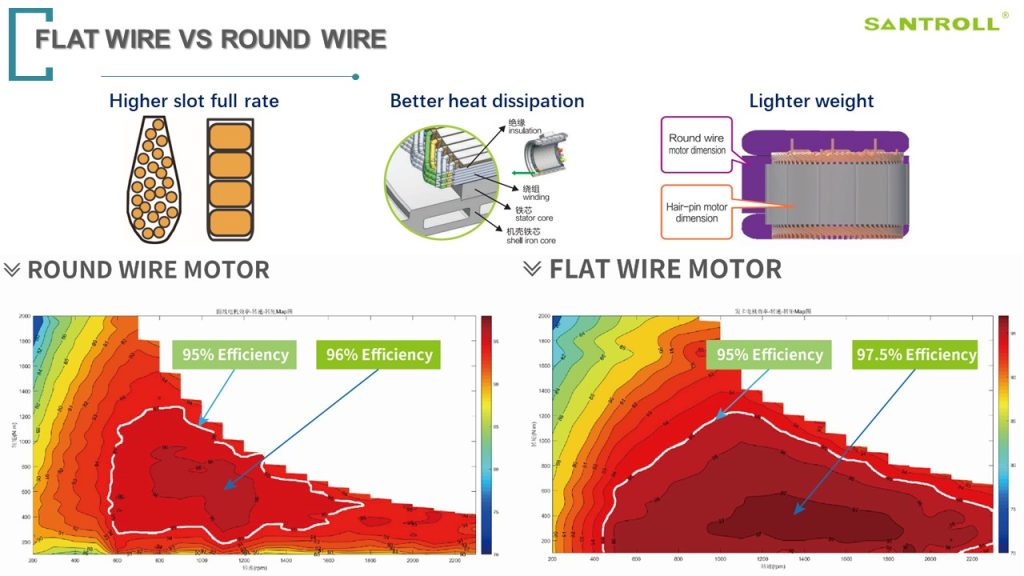
Let’s be clear: better motors and smarter controllers matter. I’ve seen projects where a small upgrade to the inverter or a tweak to control algorithms cut energy use and extended life — sometimes dramatically. We’ll touch on torque density, power converters, and motor controller basics as we go, but I’ll keep it grounded. I promise no vague marketing-speak — just real steps you can test tomorrow. Ready? Let’s move from that stuck shaft to systems that hum reliably.
Part 2 — Where common solutions fall short (and the hidden pains)
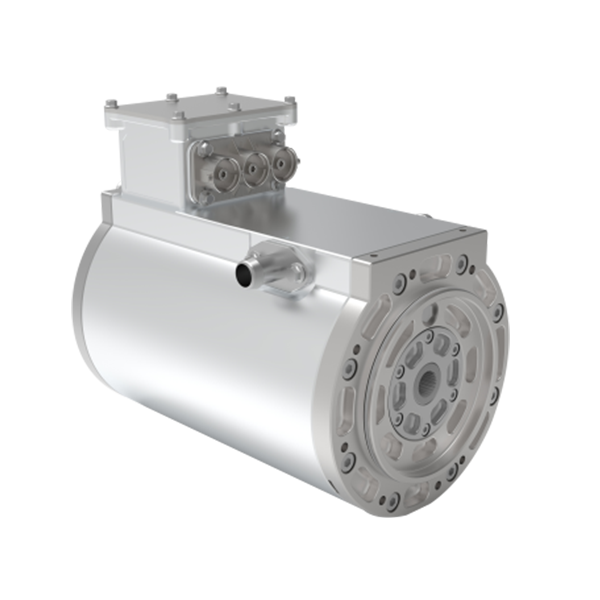
I want to start with a clear example: many teams switch to a brushless electric motor expecting instant wins. That’s a smart move in principle, but in practice I see recurring gaps. First, installers assume plug-and-play: they fit the motor but leave legacy wiring, mismatched power converters, or old feedback sensors in place. The result? Poor commutation, increased torque ripple, and stressed bearings. I’ve stood in front of machines where the rotor and stator never had a proper matching review — and it shows in vibration and heat.
Second, control-side choices are often under-appreciated. You can buy a great motor, but if your PWM settings, encoder resolution, or protection thresholds are off, efficiency and life suffer. That’s the hidden pain: teams chase the headline spec (speed, size) but miss integration details — sensor wiring, motor controller tuning, and thermal pathways. Look, it’s simpler than you think: check the feedback chain and the cooling plan early. — funny how that works, right? I’ll go deeper on solutions next.
Why do these failures happen?
In short: mismatch and assumptions. Engineers assume consistent torque demands, technicians assume standardized wiring, and managers assume a new part solves old problems. When assumptions collide with real duty cycles and unsteady loads, the system reveals its faults. I’ve learned to ask the hard questions up front — about ambient temperature, duty cycles, and available drive capacity — and that reduces surprises.
Part 3 — Principles for the next step and how to evaluate options
Moving forward, I favor two shifts: tighter systems thinking and smarter control. On the hardware side, new attention to inverter topology and thermals pays off. On the control side, modern control algorithms, sensor fusion, and adaptive tuning make a real difference. When we pair a high-quality pmsm motor with an appropriate drive and a tuned motor controller, we often get lower energy draw, smoother torque, and fewer surprises. I’m speaking from projects where a modest redesign lowered maintenance frequency and improved throughput — measurable wins, not just theory.
Technically, prioritize these principles: right-sizing for real duty cycles (not just peak specs), ensuring encoder and Hall sensor fidelity, and designing for heat paths. Also, consider modern protections: phase imbalance detection, real-time current monitoring, and automated derating under thermal stress. These are not exotic; they are practical upgrades that save time and parts. — and yes, they require someone to own the integration work.
What’s Next — How to decide?
I’ll leave you with three evaluation metrics I use when choosing motor solutions. First: system-level efficiency under your actual duty cycle (not just in a spec sheet). Second: maintainability — can your team access, sense, and replace key components quickly? Third: control maturity — does the drive support the control algorithms and feedback resolution you need? Use those as a quick checklist, and you’ll cut through hype fast.
To sum up: I believe smarter integration beats chasing the highest single spec. We can reduce downtime, smooth torque delivery, and cut energy waste by pairing the right motors, drives, and tuning. I’ve seen it work in small shops and larger plants; the principles scale. For reliable parts and guidance, I often point teams to trusted suppliers — like Santroll — as a starting reference rather than an end-all. If you want, I’ll walk through an example layout next time and map choices to a budget you actually have.