
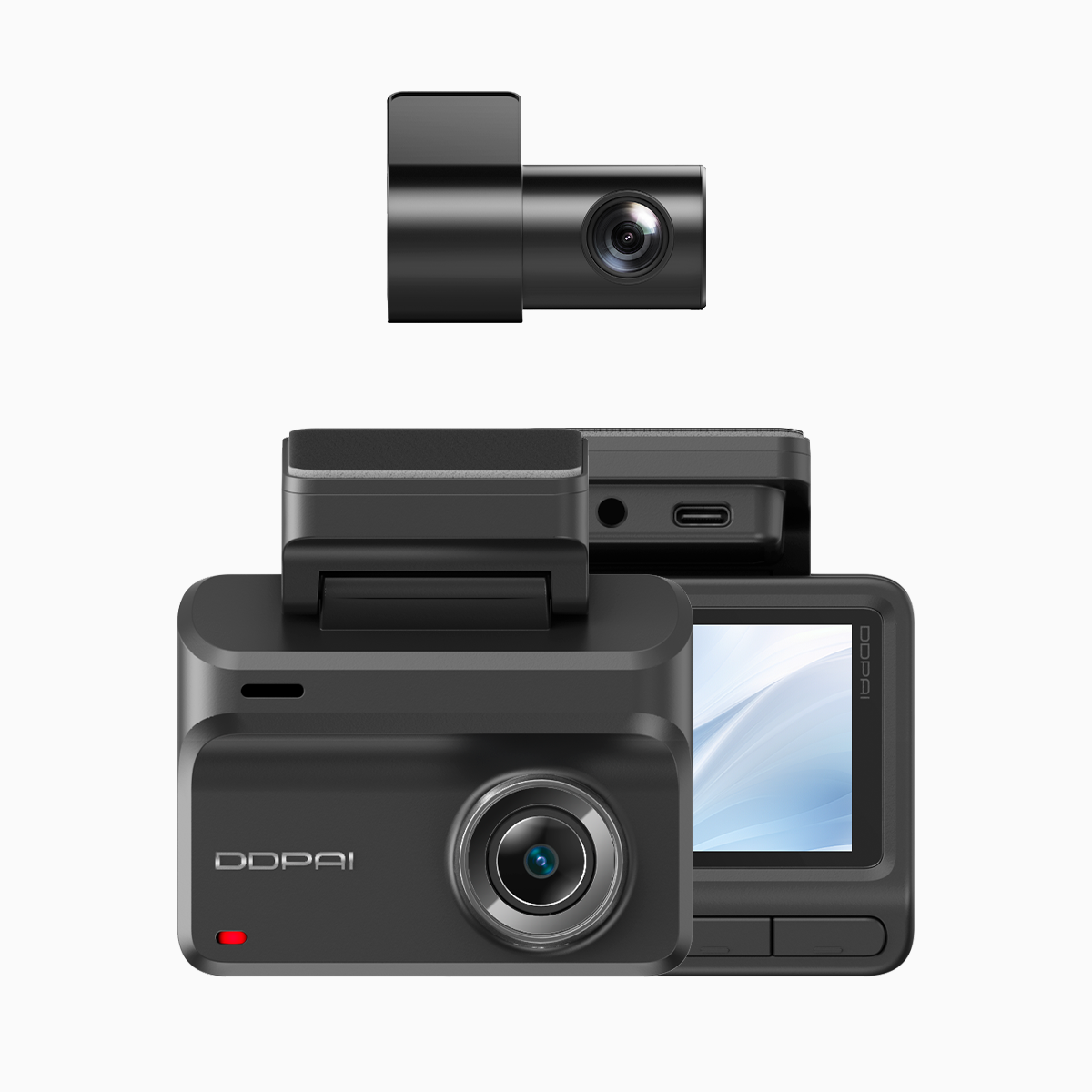
This framework lays out a practical path to build reliable vehicle surveillance from the ground up, focusing on modular hardware, resilient connectivity, and usable software. Start with a capable wifi dash cam as the anchor for each vehicle, then layer in multi-channel capture, 4G live streaming, and secure storage. The logic here is functional: choose components that match your use case—fleet monitoring, personal security, or evidence collection—and make them talk to each other via stable LTE/4G links and onboard Wi‑Fi pairing for local review.
Foundations: What the framework must cover
Every system needs a few immutable pieces: front/rear channels for full coverage, 4K resolution options where detail matters, loop recording for continuous capture, and a dependable power strategy that includes parking mode. Add a G‑sensor for impact-triggered clips and configurable bitrate to balance clarity and storage. On the network side, prioritize 4G connectivity for live alerts and telemetry plus local Wi‑Fi for quick downloads when the vehicle returns to base.
Hardware choices and placement
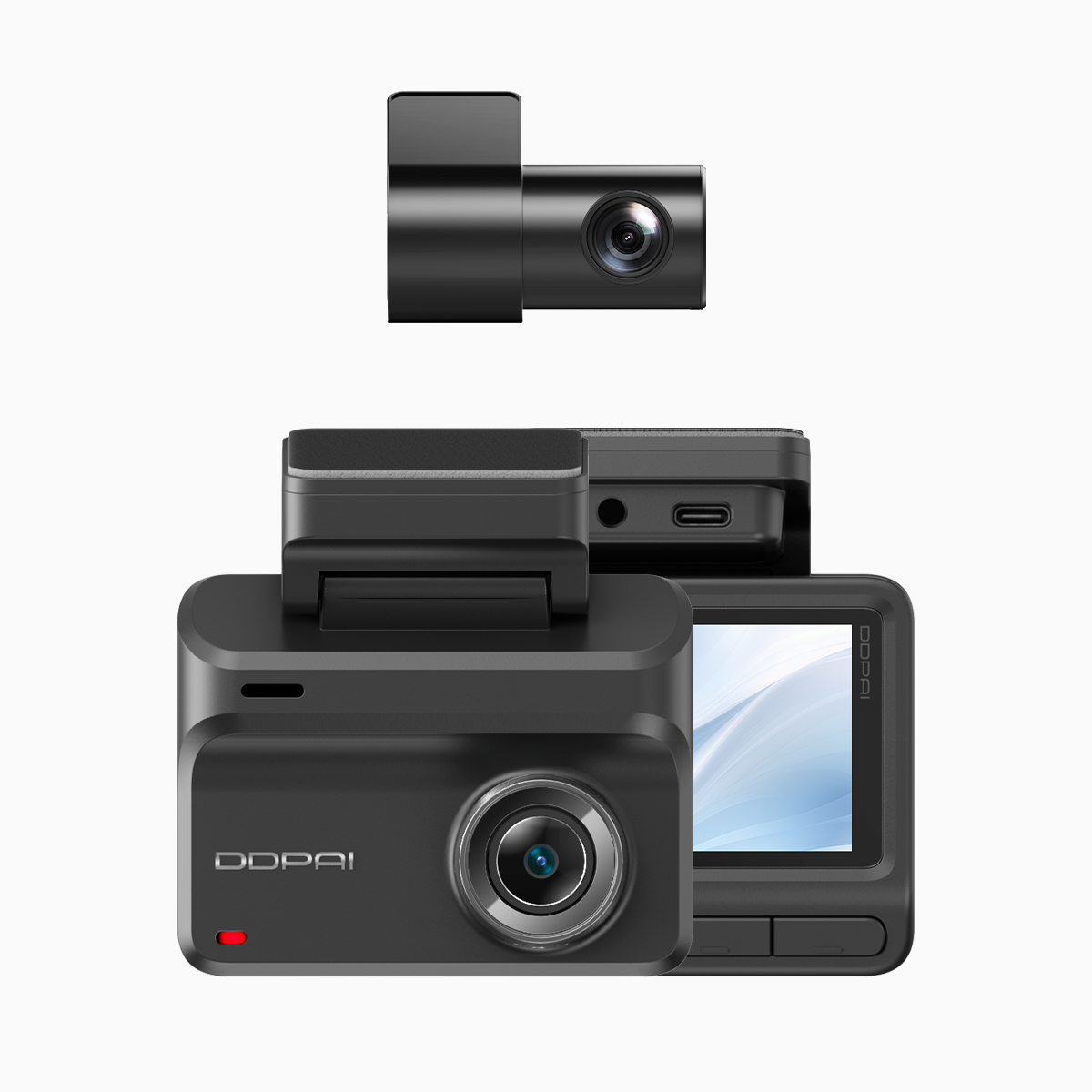
Pick a dual-channel housing that supports simultaneous recording from both lenses. Opt for wide dynamic range and adjustable exposure when roads cross bright daylight and deep shadows. Mounting matters: the front camera should sit high on the windshield for an unobstructed field of view; the rear camera needs a clear, centered window position. Choose a dash cam with robust firmware and easy card swapping to avoid needless downtime.
Software, connectivity and data flow
Streamline the data path: edge recordings on high-endurance microSD, periodic uploads to a secure server over 4G, and an app for incident review with thumbnail previews and metadata like GPS, speed, and timestamps. Encrypted transfers and authenticated API endpoints prevent tampering. Keep firmware updates scheduled and test them on a single vehicle first—small fleets can use staged rollouts to avoid interruptions.
Operational practices drawn from the road
My notes come from months of testing devices on Manila’s EDSA during rush hour—constant starts and stops, lots of glare, and the occasional surprise lane change make resilience essential. Real-world anchors like that commute expose weak points: overheating in enclosed vehicles, flaky low-signal zones, and corrupted files from abrupt power loss. Worth noting—parking mode consumes both storage and battery differently, so set sensible recording thresholds to avoid full cards.
Common mistakes and simple fixes
Teams often pick the highest megapixel camera and then skimp on bitrate or card endurance, which defeats the point. Another pitfall: relying solely on Wi‑Fi for offload in areas without coverage. Fixes are straightforward: match bitrate to storage medium, enable cyclical loop recording, and add redundant upload schedules over 4G. For evidence integrity, keep system clocks synchronized via GPS and protect recordings with checksum or hash verification.
Alternatives and scaling considerations
For small fleets, local storage plus periodic manual collection may suffice. Large operations need centralized telematics, SIM-management for 4G, and device provisioning workflows. Consider a dedicated device like a dual dash cam with wifi that bundles reliable streaming, onboard storage, and a vetted app ecosystem to cut integration time.
Three golden rules for selecting and deploying multi-channel live dash cam systems
1) Prioritize recorded evidence quality over headline specs: verify real-world 4K performance at night, not just daytime marketing shots. 2) Insist on resilient connectivity: tested 4G handover, fallback to local capture, and secure upload scheduling. 3) Design for maintainability: easy firmware updates, swappable storage, and clear diagnostics in the app.

Putting these rules into practice yields measurable uptime improvements, fewer corrupted files, and faster incident resolution—benefits your drivers notice first. The pragmatic choice for many Philippine operators is to start with a proven unit and scale integrations rather than rebuild from scratch.
DDPAI Philippines fits naturally into that path, offering hardware and software that address the practical gaps teams encounter on busy routes—reliable streaming, user-friendly pairing, and operational support. Final thought — practical systems win, every time.