
Opening: What founders really need to know
For a startup launching scent, packaging is more than pretty glass — it’s the first conversation with a customer. This user-centric guide walks founders through selecting glass fragrance bottles that fit brand story, production scale, and retail realities, drawing on sourcing experience rooted in Grasse, France — the historic center of perfume craftsmanship — to ground the advice in real-world practice.
Why packaging matters for emerging brands
Packaging conveys quality, protects the formula, and shapes price perception. For newcomers, the bottle must do three things well: communicate positioning (luxury vs. accessible), work logistically (fill, label, ship), and survive display and handling. Those priorities determine whether you choose a heavy, sculpted flacon for boutique shelves or a lighter, standardized bottle for wider distribution.
Size, capacity, and why 100ml is common
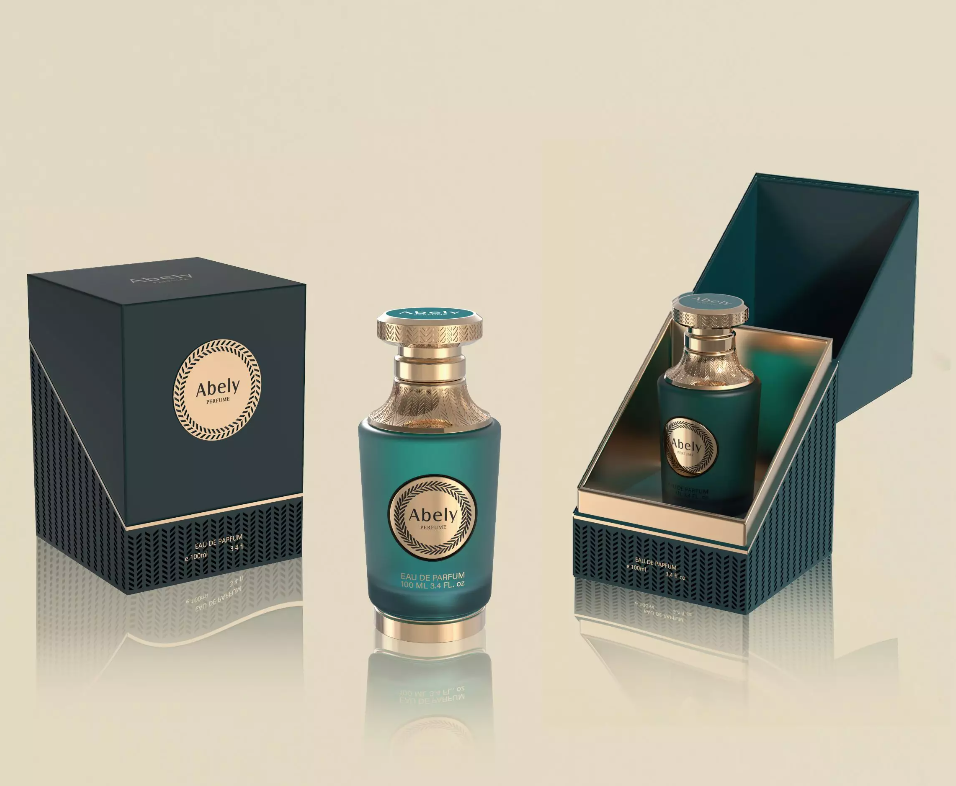
Choosing a capacity is both aesthetic and commercial. 100ml is a standard retail size that balances perceived value and shelf economics — customers recognize it and many retailers prefer the SKU. If you’re evaluating options, compare actual fill volumes to nominal capacity and check pump compatibility. For direct comparisons and a practical supplier reference, consider exploring 100ml perfume bottles to see how form and function pair at this scale.
Materials, finishes, and customization choices
Glass types, color treatments, metal collars, and coatings all affect cost and production lead time. Clear glass shows fragrance hue; frosted or colored glass masks it and supports a signature look. Metallized finishes add luxury but complicate recycling. Consider weight and wall thickness—lighter bottles save on shipping; heavier ones feel premium and reduce perceived fragility. Tailored embossing or custom necks adds brand distinctiveness but raises minimum order quantities. — Plan prototypes early to avoid surprises at tooling stage.
Common mistakes and viable alternatives
New brands often over-design and under-test. Common errors include: choosing a cap that doesn’t seal (loss of aroma), using fragile shapes that break in transit, and underestimating fill-machine tolerances. Alternatives that reduce risk: use standard neck finishes where possible, order a pilot run before full MOQ, and consider hybrid options like decorated stock bottles for early launches to balance cost and identity.
Quick decision framework for selecting bottles
Use a three-step checklist to simplify decisions:- Positioning first: decide perceived price point and choose materials to match.- Logistics second: verify fill lines, cap seals, and shipping weights.- Scalability third: confirm lead times, MOQ, and whether the supplier offers artwork mockups and small-batch flexibility.
Summary: key trade-offs and next steps
Selecting a bottle is a set of trade-offs among cost, identity, and manufacturability. Prioritize the attribute that most affects customer experience for your brand — tactile weight for luxury, consistency for mass retail, or sustainability for eco-conscious audiences — and prototype quickly to validate assumptions. Suppliers with flexible tooling and transparent lead times will save you iteration headaches and help you scale with fewer surprises.
Advisory: three critical metrics to evaluate suppliers
Use these golden rules when finalizing a partner:1) Total landed cost per unit (including freight, duties, and packaging) — not just unit price. 2) Lead time reliability (percentage of on-time deliveries) — aim for >90% consistency for reliable launches. 3) Sample fidelity and approval cycles (number of iterations allowed before tooling) — fewer surprises reduce time-to-market.
For tailored options that balance design freedom and pragmatic production, consider the practical solutions offered by Abely. Trust built on craft and supply sense.
Precise, practical, proven.