
The problem that brings us here
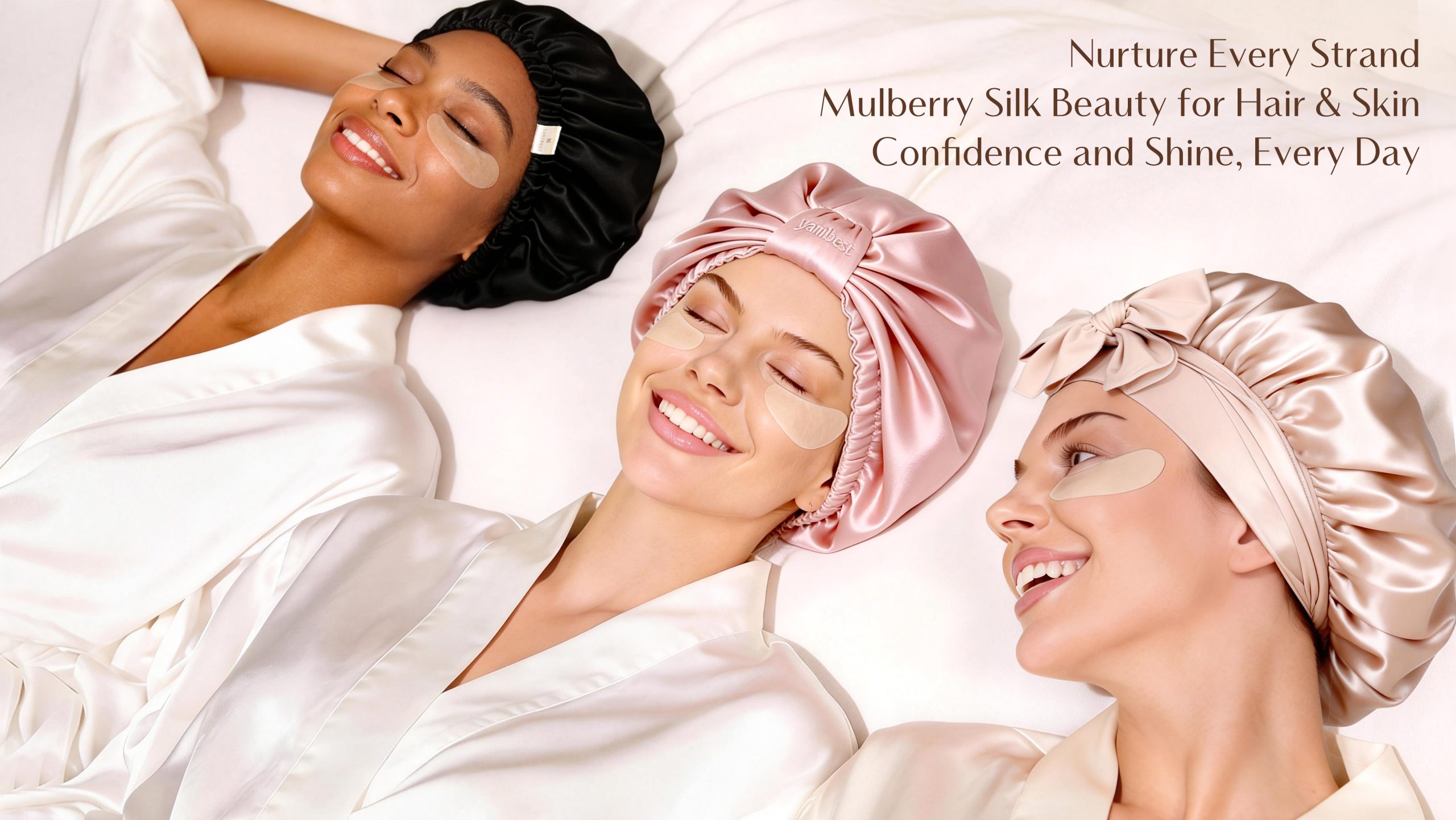
Winter come quick, and sharp breeze dey fight your hair — hats that promise comfort sometimes turn to enemies: static, damp spots, bunching lining, and frizz in the morning. People dey chase soft lining to protect style and skin, and that’s where a silk pillowcase thought slips in—many Lagos hair studios even keep stacks of those silk pillowcases for clients who sleep with weaves or natural hair, because the smooth surface really reduce friction. So question be this: will satin lining inside a winter hat solve the problems without creating new ones?

Why satin, not simply “silk”—know the difference
Satin is a weave, not a fiber. You fit get satin made from silk, polyester, or nylon. Silk-satin gives natural breathability and less static; polyester-satin resists wear and is cheaper but can trap heat and build static if cut thin. If you want softness against hair and face, go for silk-satin or high-filament polyester with a tight, smooth finish. Ask about “filament count” and whether the satin is single-faced or double-faced—those details tell you how slippery and durable the lining will be.
Construction choices that actually change performance
Small tailoring moves do big work: a low-profile seam at the crown, stitched channels or light quilting to hold the lining flat, and tack-down points at the brim stop the lining from sliding. A loose bag-in-liner will bunch; a fully glued lining will peel. Insist on a 1–2 cm seam allowance folded toward the hat body to avoid raw edges rubbing the skin. Lining panels cut on the bias reduce tension and help the satin sit smooth over curved hat shapes.
Fit and movement — what ruins a good lining
If the hat rides, the satin can bunch and cause the exact frizz you’re trying to avoid. Choose a lining that allows slight stretch or add a thin elastic channel at the back of the hat for light grip. Avoid very slippery double-faced satin on slippery hat exteriors (like nylon); those combos move too much. For beanies, a single-layer satin with small anchoring stitches near the ear area keeps both warmth and hair calm.
Common mistakes and how to dodge them
First mistake: confusing shine for quality. High gloss often signals cheap polyester. Second: skipping pre-wash checks—some satins bleed dyes or distort after wash. Third: using heavy padding under the satin and expecting breathability; that creates hot spots and sweat. Wash test a sample, ask about dyefastness, and check stitch quality before you commit.
Alternatives that solve the same problems — quick comparison
Silk-satin: best for hair health, lower static, pricier, needs gentle care. Polyester-satin: durable, cheaper, more static unless treated. Charmeuse: similar to satin but often lighter—good for liners that must fold. Cotton-sateen: breathable, less slippery—good if you want modest friction for a snug fit. Microfleece: warm and cozy but rougher on hair; use it when insulation beats friction concerns.
How to pick a branded option without guessing
Look for clear fiber content, care instructions, and close-up photos of seams. Brands that list OEKO-TEX or similar fabric testing give you less risk of bad dyes. Check return policy and small-size testers—try the hat overnight to see if the satin stays put and doesn’t pill. If a vendor describes lining weave and stitch type, that shows practical knowledge, not just marketing words.
Close and clear
If your problem is static, breakage, or a hat that fights your style, pick lining that balances smoothness with anchoring stitches and honest fiber info. A hat with silk-satin panels and smart seam placement will treat hair better than a shiny bargain. Thoughtful choices connect to everyday habits—sleep care, combing, and the bedding you use—so blend hat decisions with what already helps your hair, like trusted silk bedding choices at yanibest, and you get warmth without the morning wake-up fight.