
The problem—too much data, too few decisions
You’re buried in feeds: trip logs, engine fault codes, and alerts that keep firing even after drivers explain what happened. I get it—I’ve redesigned dashboards for carriers who tell me the same thing: “We have numbers, but nothing changes.” That disconnect often starts with how fleet telematics technology providers present signals without tying them to clear decisions. At CES in Las Vegas I watched AI video telematics demos that made the gap obvious—great video, poor integration with what ops actually do next.
Who feels the pain
Operations managers who need on-time pickups; safety leads who must reduce risky events; maintenance planners balancing uptime and cost; drivers who want fair feedback. Each group reads the same metrics differently. If a dataset doesn’t answer a direct question for at least one of these roles, it wastes time and trust.
Core metrics to track (and why they matter)
– On-time performance: shows route and scheduling accuracy; drives route redesign decisions.
– Utilization (active hours vs. availability): reveals underused assets and guides right-sizing.
– Fuel per mile and idling minutes: high-impact cost levers you can measure monthly.
– Harsh events per 1,000 miles (braking, acceleration, cornering): raw signals for coaching, not punishments.
– Video-verified incidents: pairs context with events so you act on real problems, not false positives.
– Near-miss frequency: early warning of hazardous routes or recurring behaviors.
– Maintenance lead time and mean time to repair: tie to downtime and replacement planning.
– Compliance events (hours of service, inspections): legal and operational risk metrics.
– Cost per mile (broken down by fuel, maintenance, fines): financial clarity for fleet decisions.
How AI video telematics should be used—practically
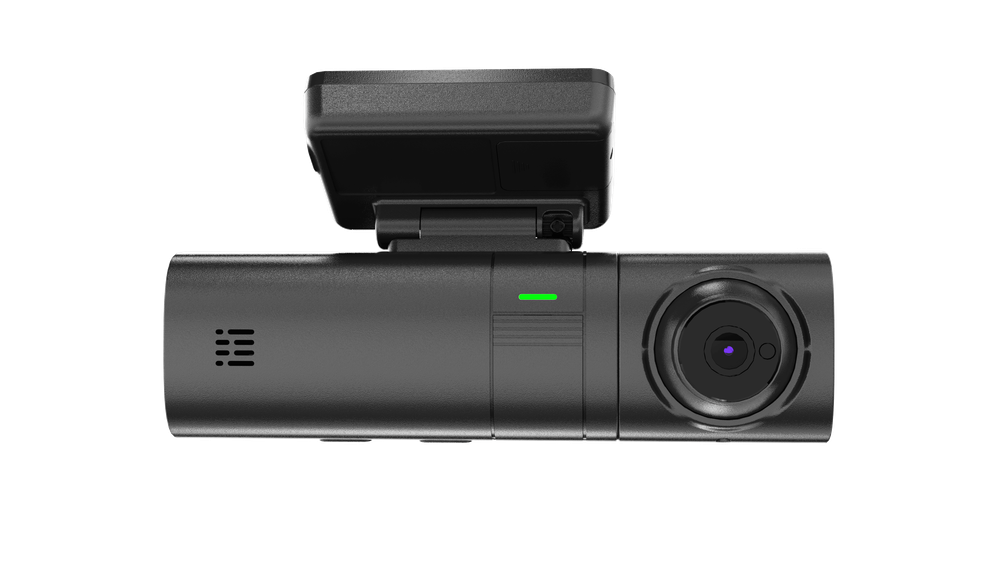
AI video telematics works when you treat it like a verifier, not a dictator. Use the tech to confirm incidents flagged by sensors, then feed verified incidents into behavior coaching and claim handling. Start with sampled human reviews to calibrate models; don’t turn every clip into an automatic penalty. Expect issues: bandwidth limits, privacy rules, and model drift. Address them by setting retention windows, anonymization where necessary, and a quarterly model audit that compares automated labels to human reviewers.
Designing reports that lead to action
Prioritize clarity. One-page summaries should answer these three questions instantly: What changed this period? Who needs attention now? What action do we recommend? Use simple visuals: trend lines for metrics, lists for highest-risk drivers, and filters to isolate routes or vehicle types. Make drilldowns fast—ops must go from summary to an incident in fewer than three clicks.
Common mistakes and how to avoid them
– Chasing every new metric: pick the ones that map to a decision and drop the rest.
– Treating alerts as truth: always validate with context before taking punitive action.
– Siloed data: fuse telematics, maintenance, and dispatch so patterns emerge.
– Ignoring driver feedback: they’ll tell you where false positives come from.
– Delayed reporting: stale data doesn’t change behavior—deliver near-real-time insights for safety and scheduling decisions.
Quick rollout checklist
– Define three mission-critical questions you want answered.
– Choose 5 core metrics tied to those questions.
– Pilot video verification on a sample fleet for 4–8 weeks.
– Set human-validation thresholds and review cadence.
– Train dispatch and safety teams on interpreting the metrics, not just viewing them.
– Measure outcome changes (incidents, on-time rate, repair time) and iterate monthly.
Where this leads
Focus on decisions, not dashboards. Verify incidents with video, keep metrics small and tied to action, and iterate with the people who will act on the data. That approach is exactly how operators move from noise to clarity—so when platforms stitch video verification into telematics and reporting, the result is quieter operations and safer drivers, the kind of integration I’ve seen applied successfully by vendors like BSJ.