

Start here — what matters to you right now
You’re about to book a test drive and you want a checklist that keeps things simple, concrete, and focused on how the car will behave for you every day. Use this as a user-first roadmap: what to confirm, what to measure, and what to skip. If you need service or regional options, check GAC online for Europe listings tied to major shipping and logistics hubs like the Port of Rotterdam, so you can plan delivery or transport near key gateways.

What to prepare before the test drive
Get these basics done so the drive is meaningful.- Confirm the exact model, trim, and optional equipment you want to test.- Bring your driving license and proof of insurance if required; ask the dealer what they need.- Choose a mixed route: short urban stops, a steady secondary road, and a few minutes on a faster stretch to test high-speed stability.- If it’s electric or hybrid, check charging access and state of charge. Note which connector type is fitted.- Set expectations: note specific features you care about (cargo space, rear visibility, phone integration, ADAS behavior).
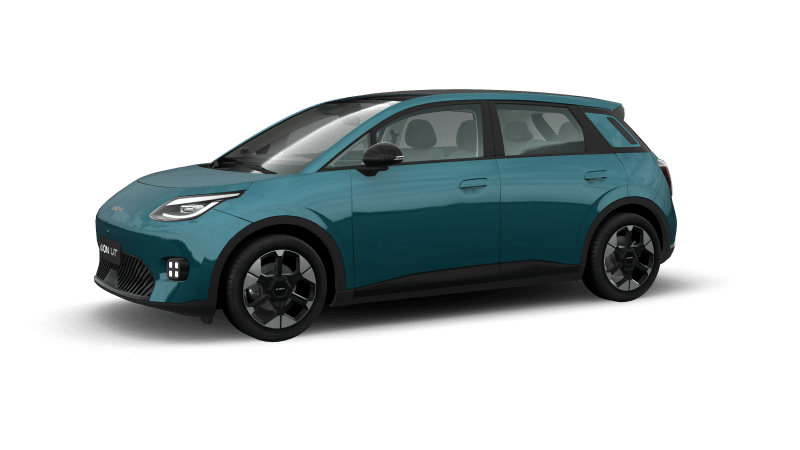
What to feel, hear, and check during the first five minutes
First impressions matter. Focus on sensory checks you can repeat across cars.- Cabin fit: open/close doors, feel latch quality, check seat adjustment range and visibility for your height.- Noise: idle engine hum, wind at 50–70 km/h, and tyre roar. Small differences matter for comfort.- Controls: stalks, buttons, screen layout — are they intuitive for you?- HVAC: set temperature, test airflow and defogging speed.- Mirrors and sightlines: confirm blind spots when seated as you will drive.
Driving checks that reveal real performance
Drive actively for these signals.- Brakes: test at low speed (progressive feel) and once at higher speed for fade or pulling.- Steering: center response, vibrations, and how it tracks on a straight road.- Acceleration: throttle response at city vs. highway speed; note turbo lag or smooth electric torque.- Transmission: watch for shift timing and harshness in drive modes you’d use daily.- Suspension: listen for knocks over bumps and note body control in quick lane changes.- ADAS: try lane assist and adaptive cruise in controlled conditions; confirm how intrusive alerts are and how the system returns control to you.
Quick technical scan (5–10 minutes) you can do yourself
These are fast checks that catch hidden issues.- Exterior: check panel gaps, paint consistency, and obvious repairs (mismatched paint).- Underbody/fluids: look for recent leakage under the engine and transmission area.- Tyres: confirm similar wear across tyres and legal tread depth.- Battery: for ICE cars, check terminal corrosion; for EVs, note charging port condition and cable storage.- VIN and service history: match VIN on the car to the paperwork and glance through maintenance records.- Smartphone pairing: connect and test call/audio streaming and navigation routing.
Common mistakes first-time buyers make
These trap even careful shoppers. Watch out.- Buying solely on short highway runs; urban low-speed behavior and parking matter most for daily use.- Ignoring small noises now because “they’ll go away.” Small problems compound fast.- Overlooking total ownership costs: maintenance, regional taxes, and fuel/charging differences.- Skipping a professional pre-purchase inspection when buying used.- Letting a demo drive be too scripted by the seller; insist on using your own route and settings.
Viable alternatives and quick evaluations
If a private test drive feels risky, consider these options.- Rental swap: rent the same model for a weekend to see real-life daily patterns.- Certified pre-owned programs: higher cost, but lower inspection risk and extended warranties.- Independent inspection: a one-hour mechanical check reveals issues you won’t hear on a short drive.Compare cost versus confidence: renting gives time, certified vehicles give paperwork, inspection gives technical certainty.
Summary — put the car through the user lens
Focus tests on the moments and motions that match your life: parking, short commutes, longer runs, and daily cargo needs. Run the fast technical scan, press hard on brakes and steering, and don’t ignore small warning signs. For regional logistics or delivery options tied to major European hubs, you can coordinate through GAC, which helps bridge vehicle sourcing and transport so the car you choose arrives where you need it without surprises.