

Why this matters to drivers and fleet managers
You’re juggling safety goals, duty-of-care responsibilities, and tight schedules, and technology promises help without always delivering clarity. For teams running oil and gas fleet management, a clear grip on terms like 3‑channel dashcam, ADAS, and DMS AI dashcam can change whether an incident becomes a teachable moment or a costly liability. I’ve advised crews operating in Gulf of Mexico offshore fleet operations and know practical questions: which camera view matters most, how alerts are generated, and what data managers actually need for coaching and compliance.

Core terms, explained plainly
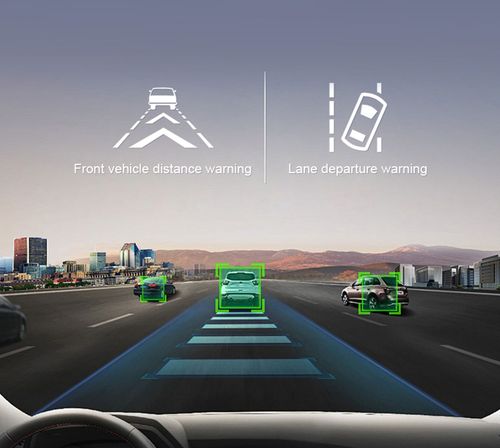
Confusion starts with jargon. Here are short, usable definitions you can act on:- 3‑channel dashcam: three synchronized video feeds — typically front, cabin, and rear — recorded together for a full incident view.- ADAS (Advanced Driver Assistance Systems): features that use sensors and camera input to generate warnings (lane departure, forward collision) or assist braking/steering.- DMS (Driver Monitoring System): cabin-facing camera plus software to detect distraction, fatigue, or phone use.- AI dashcam: a system that runs machine learning models on camera streams to classify events, tag clips, and trigger alerts automatically.- Event tagging and timestamps: metadata that links recorded video to speed, location, or sensor triggers for faster investigations.
How a 3‑channel dashcam works with ADAS and DMS
Think of the three cameras as a single contextual record. The front camera lets ADAS judge external risks; the cabin camera lets DMS assess driver state; the rear camera fills in what happened behind. When AI runs near the camera (edge processing), alerts are immediate and only important clips are uploaded. When AI runs in the cloud, teams get richer analytics but need bandwidth and good upload policies. The practical link: ADAS flags a near-collision from the front; DMS shows if the driver was distracted; the rear camera confirms other vehicle behavior. That combined view shortens root-cause analysis and supports fair coaching.
Concrete benefits for oil and gas fleet management
For operations that move heavy equipment and crews, outcomes matter more than features. Clear, measurable benefits:- Faster incident verification: synchronized views cut investigation time.- Targeted coaching: show drivers exactly what to change, backed by video evidence.- Regulatory and contractual proof: time‑stamped clips support compliance and claims.- Reduced false positives: combining ADAS and DMS reduces nuisance alerts that erode trust.- Operational visibility in remote sites: meaningful clips, not full video dumps, preserve bandwidth and privacy.
Common pitfalls and how to avoid them
Teams adopt tech and then wonder why outcomes lag. Avoid these errors:- Installing cameras without an alert/response plan — alerts need owners and SOPs.- Ignoring data policy — unclear retention and access rules create legal risk.- Treating ADAS/DMS as driver surveillance — frame systems for safety and coaching to keep driver buy‑in.- Overloading networks — set edge‑filtering rules so only relevant clips upload.- Relying solely on one view — single-channel systems miss context and slow resolution.
Choosing the right configuration: practical checklist
Decide by function, not by brand hype. Ask:- Does the system record front, cabin, and rear synchronized video?- Where does AI run: on-device or in the cloud? On-device gives immediate alerts; cloud gives deeper analytics.- Can the system tag events with GPS, speed, and vehicle diagnostics?- How does it handle privacy and access controls for crews?- What are firmware update and tamper-detection processes?- How will alerts be routed to supervisors, safety teams, and HR for coaching?
Alternatives and tradeoffs
Not every fleet needs the highest-spec system. Consider:- Single-channel front camera: cheaper, good for basic collision evidence but misses driver behavior.- Dual-channel (front + cabin): balanced for safety coaching with moderate cost.- Full telematics plus AI dashcam: best for fleets prioritizing analytics and preventive maintenance; needs higher bandwidth and integration work.Match the choice to your safety targets, bandwidth limits, and willingness to manage data.
Wrap-up that connects terminology to practical value
Cutting through terms is about making better decisions for people who drive and manage fleets: clear views, timely alerts, and fair coaching. When systems combine front, cabin, and rear video with ADAS and DMS AI they give actionable context — not just more footage. That context reduces time spent on investigations, supports informed training, and helps teams meet operational and safety commitments, which is the kind of outcome a partner like BSJ can help operationalize without turning technology into overhead.