
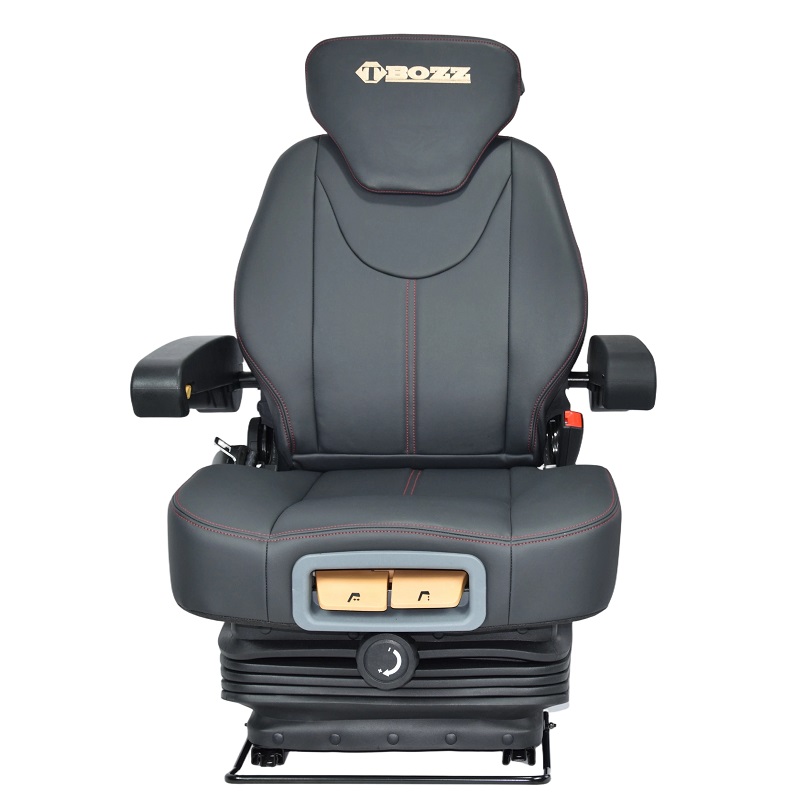
Why the seat matters to the person in the cab
Years on tractors and dozers teaches you that comfort is not a luxury; it is productivity. For the operator who spends dawn-to-dusk hours steering through ruts or grading a site, the difference between a worn bench and a well-tuned suspension seat is the difference between finishing the job and fighting fatigue. I still remember a week with a small contracting crew near Swansea — tired shoulders, aching lower backs, then relief when we swapped in a proper universal forklift seat that matched the operator’s weight and riding style. That swap cut vibration and restored focus, plain as day.
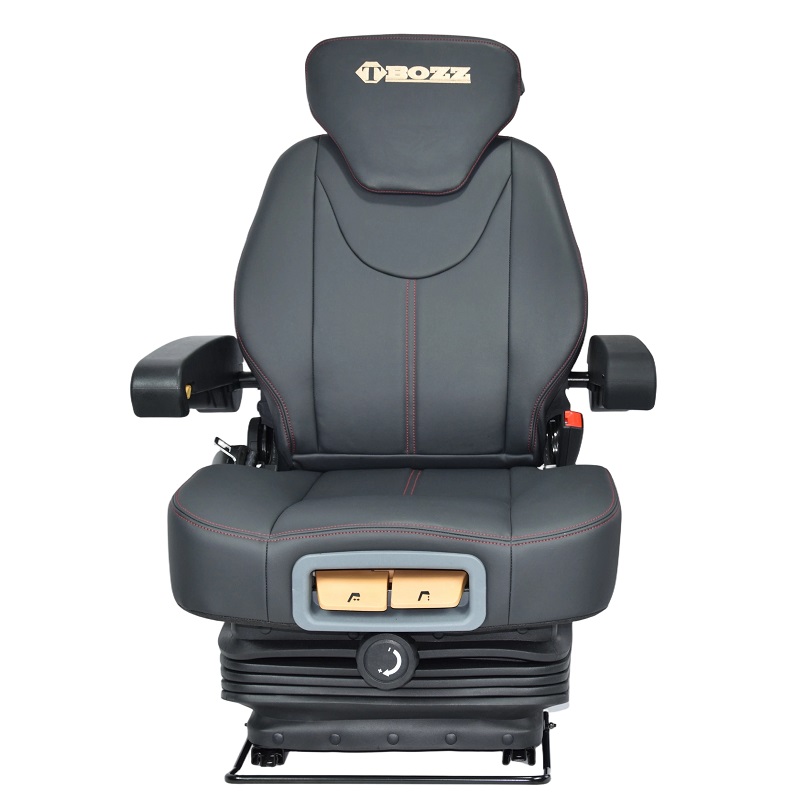
Features that directly affect daily work
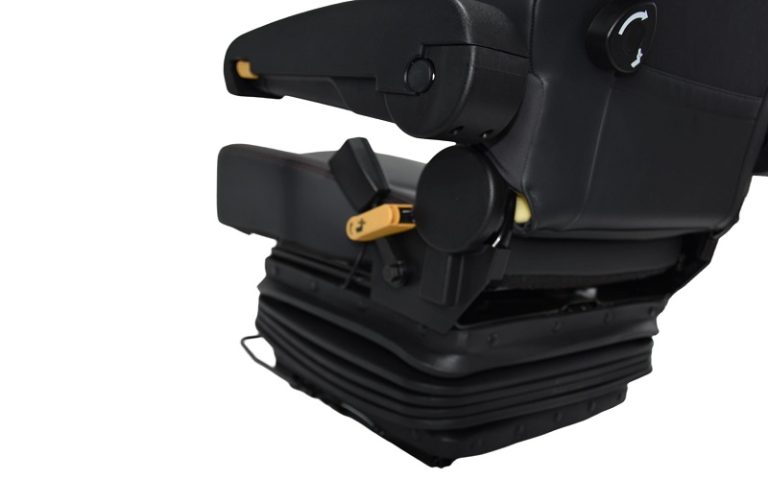
Choose components that do the real work: suspension travel that soaks up impacts, a damping system that tames rebound, and a robust seat base able to resist wear. Look for adjustable weight settings and a clear range of motion — those let the seat handle different operators without forcing the machine out of tune. A proper mechanical suspension seat offers predictable response and straightforward maintenance; oil-free dampers and replaceable suspension springs make life easier on site. Comfort is layered: foam density, lumbar support, and a secure belt matter as much as the shock absorber.
How to judge a supplier from a user’s standpoint
Service beats slick marketing every time. Confirm that spare parts are available locally, ask about warranty response times, and check whether the supplier offers fitting guidance for specific tractor models. A good supplier will provide installation notes and a clear weight-range chart — not a vague promise. If they’ll tell you how long a seat typically lasts under heavy use, that’s a sign they’ve seen real work, not just showroom tests.
Common mistakes operators and managers make
Avoid these traps — they waste money and cost comfort.
– Buying solely on price and ignoring matching the seat’s weight range to the operator.
– Assuming “all suspension seats fit” when mounting patterns differ between tractor cabs and skid-steer platforms.
– Skipping routine checks: loose bolts, compressed foam, or a sagging suspension spring will ruin performance — and the problem only gets louder.
Quick comparative insight for busy decision-makers
Think in categories rather than brands: OEM-style seats built to a machine’s original specification; aftermarket suspended seats designed for retrofit flexibility; and heavy-duty industrial seats intended for continuous, rough-duty work. OEM-style seats may match cab geometry perfectly. Aftermarket options often give better adjustability and broader weight ranges. Heavy-duty designs favour long service life and reinforced frames — they’re heavier, yes, but they keep vibration and maintenance down. Choose by use-case: farm loader, tracked digger, or material handler each benefits from different suspension tuning.
Real-world anchor and maintenance notes
Practically speaking, sitting in a seat is the ultimate test. I once documented vibration readings on a rural digger — simple accelerometer checks before and after seat replacement showed a clear reduction in peak jolts. National health bodies also flag musculoskeletal strain from whole-body vibration as a major workplace issue, so this isn’t just comfort; it’s safety. Keep routine checks to these basics: tension on suspension springs, condition of foam, and secure mounting bolts. A yearly inspection usually prevents surprises.
Three golden rules for choosing the right seat
1. Match the weight range and suspension travel to your heaviest regular operator — this ensures the damping works where it’s needed, not at the extremes.
2. Prioritise replaceable parts: removable foam, modular suspension units, and a serviceable shock or spring mechanism make upkeep simple and economical.
3. Confirm fit and service locally: mounting pattern, seat base dimensions, and spare parts availability save downtime.
For operators who want durable performance without fuss, the right supplier turns those rules into reality — and that’s the quiet value Source One brings to the table Source One. —