
Problem: Heat That Must Behave
Large spaces. Variable loads. Tight safety rules. You can’t have heaters that spike, or fail under dirt and dust. You need predictable heat, fast response, and low maintenance. A compact ptc heater can deliver that predictable response—self-regulating, simple to control, and safe by design.

Why off-the-shelf units often miss the mark
Mass-market heaters assume one profile. Real sites don’t. Voltage variations, cramped ducts, corrosive atmospheres, or precise temperature bands break generic designs. The result: short life, uneven warming, or nuisance trips. Fixes are costly and slow. The problem needs bespoke choices, not hopeful guesses.
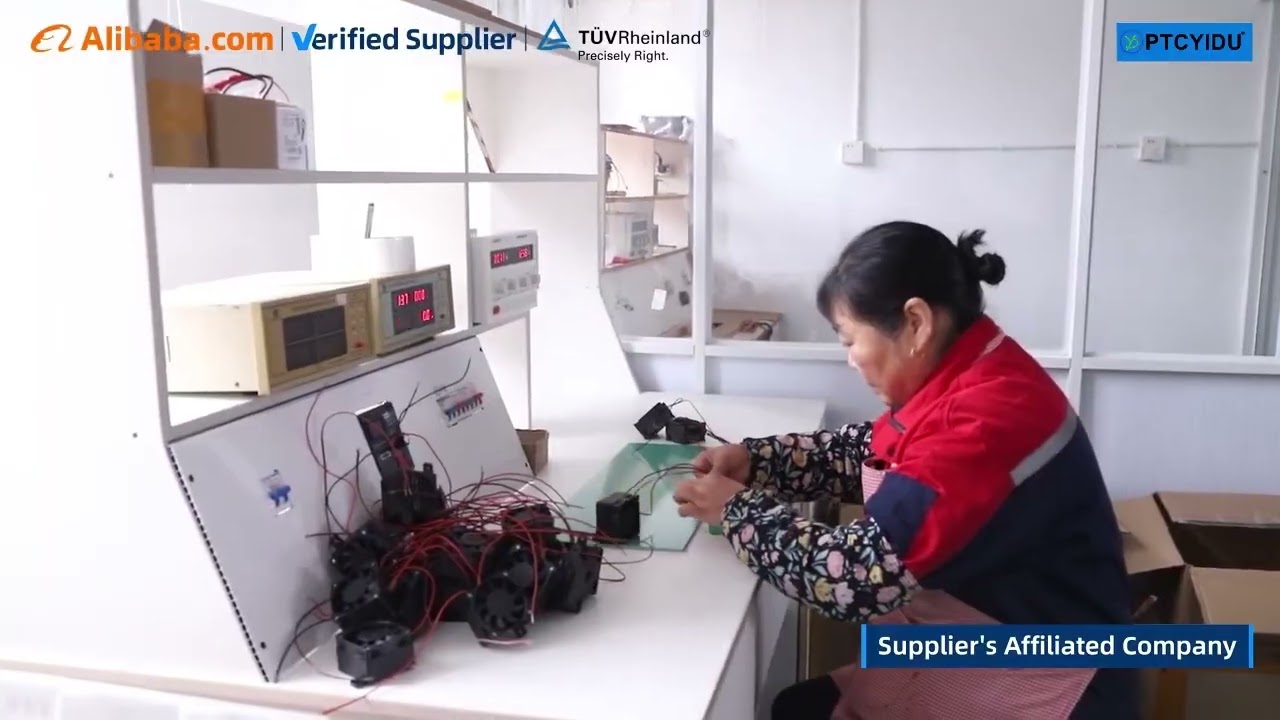
Problem-driven design choices that solve it
Start with the load profile. Peak power. Duty cycle. Ambient extremes. Then pick element geometry, packaging, and controls to match. Self-limiting PTC materials cut risk—no runaway heat, less need for complex thermostats. Add proper thermal coupling, RTD or thermistor feedback, and fail-safe cutouts. Choose the enclosure and IP rating to survive grease, dust, or wash-down. Simple rules. Concrete actions.
Common mistakes that lead to failure
Undersizing for worst-case demand. Expecting ambient air to circulate without ducting. Skimping on connectors and strain relief. Ignoring EMI when controllers sit close. Using a single sensor in a large plenum. Each mistake costs uptime. Fix those and the system lasts years.
Experience, evidence, and a real-world anchor
I’ve designed heaters for production lines and cold-storage docks. Years of field retrofits taught me to prioritize redundancy and clean mounting. You’ll find PTC solutions widely adopted in Germany’s automotive thermal-management projects, where safety and repeatability are non-negotiable. For technical specifics on materials and module behavior, review standards and supplier datasheets, and note how ptc heating elements behave under cycling loads—the data matters when you spec parts.
Alternatives evaluated quickly
Metal coil resistors: cheap, high power, but need controls and carry risk of hot spots. Ceramic (non-PTC) elements: stable but require thermostats. Heat pumps: efficient for high-volume HVAC, but complex and costly for spot or redundancy heating. Choose PTC when you need modular, fail-safe, low-maintenance heat with simple controls.
Implementation checklist
Specify maximum ambient and enclosure class. Define fail-safe thresholds and test them. Place sensors where they measure the actual load, not the warmest corner. Provide service access and quick-disconnect wiring. Validate with a run-in test under worst-case conditions. Document the control logic plainly. Do these, and you reduce surprises.
Conclusion
If your site needs heat that tolerates abuse and keeps working without fuss, opt for tailored PTC modules built to the load and environment. The solution is practical, traceable, and verifiable—seen in demanding industrial work—and often aligns with the specs companies expect from PTCYIDU.