

Introduction
Picture this: a rainy evening, lift stalls, and everyone stuck at the void deck waiting for the lights to come back—so sian. The backup kicked in from energy storage batteries and the block hummed back to life, steady like. But here’s the rub: many plants still see slow changeovers, uneven quality, and waste they cannot track. Some report single‑digit yield loss that drags profit, plus hours of buffer time sitting in the dry room. If we know the bottlenecks, can we fix them fast, or not?
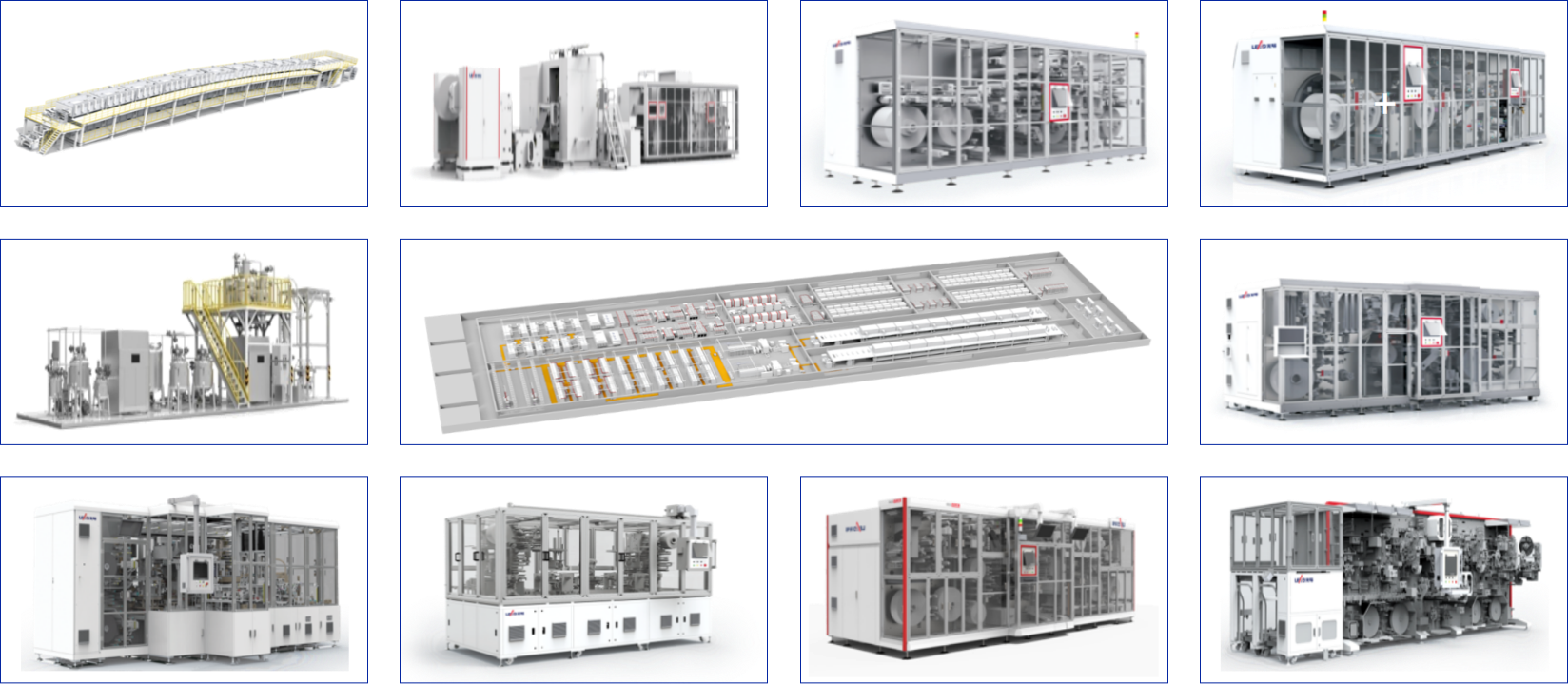
In Singapore, we like things clean and efficient—can one line lah do more with less? Data from factory floors shows that drift in coating, tab welding, and electrolyte filling adds up. Small errors go unseen until formation and aging, when it’s too late. Then comes the costly rework. So the question is simple: what would a smarter line change, right now? Let’s move from the everyday scene to the deeper issues, then compare old versus new approaches.
Why Legacy Assembly Lines Fall Short (And What That Means)
Where do older flows leak value?
Technical view first. A modern lithium ion battery assembly line links every step, but older lines run like islands. The dry room becomes a parking lot for work‑in‑process. Coating and calendering drift, yet inline checks are rare. Human sampling misses edge cases. By the time cells reach formation and aging, defects have baked in—funny how that works, right? MES systems don’t always talk; traceability breaks. Small errors in separator alignment or tab welding snowball into voltage spread and hot rejects. Look, it’s simpler than you think: no closed loop means no fast correction.
Hidden pain points pile up. Recipe changes take hours; the line must stop. Electrolyte wetting varies with temperature and time, but sensors are sparse. Without edge computing nodes, data lives in silos. Power converters at end‑of‑line test packs hard, yet feedback rarely goes upstream to fix root cause. Operators juggle alarms; true state of health gets guessed, not measured. Safety interlocks work, but insights lag the event. In short, legacy flows treat process control as a report, not a reflex. The result: scrap, rework, and slow cash turns—steady pain that doesn’t show until month‑end.

Smarter Lines Ahead: New Principles, Real Gains
What’s Next
Now a forward look—comparative and clear. The next wave of the lithium ion battery assembly line runs like a living system. New principles matter: inline vision checks coating thickness, and closed‑loop control tunes the coater and calender in minutes, not shifts. Adaptive dryers adjust solvent load on the fly. During electrolyte filling, impedance and pressure trends confirm wetting without guesswork. Edge computing nodes sit at critical points and push signals to a unified MES, so genealogy is exact. Formation profiles adapt cell‑by‑cell, trimming time while protecting state of charge. For packs, bidirectional power converters feed learned profiles back to cell lines—closing the loop across the factory. Small loops, fast fixes. Big loop, shared learning.
Lessons? We saw how old lines miss early signals, and how that delay burns yield later. The smarter model embeds metrology and feedback everywhere—no drama, just facts. If you’re choosing a path, use three checks: 1) Detection speed—how fast can the line spot and correct coating or welding drift, in minutes not hours? 2) Traceability depth—can the MES map each cell’s journey from slurry to pack, with clean links to test results? 3) Energy and uptime—does the dry room, ovens, and formation rack run with measured kWh per unit and predictive downtime windows? Pick the solution that scores high on all three, and your floor runs steadier, lah. In the end, better batteries mean fewer blackouts, less waste, and calmer teams—everyone gets home for dinner on time. For a steady hand in this space, see LEAD.