
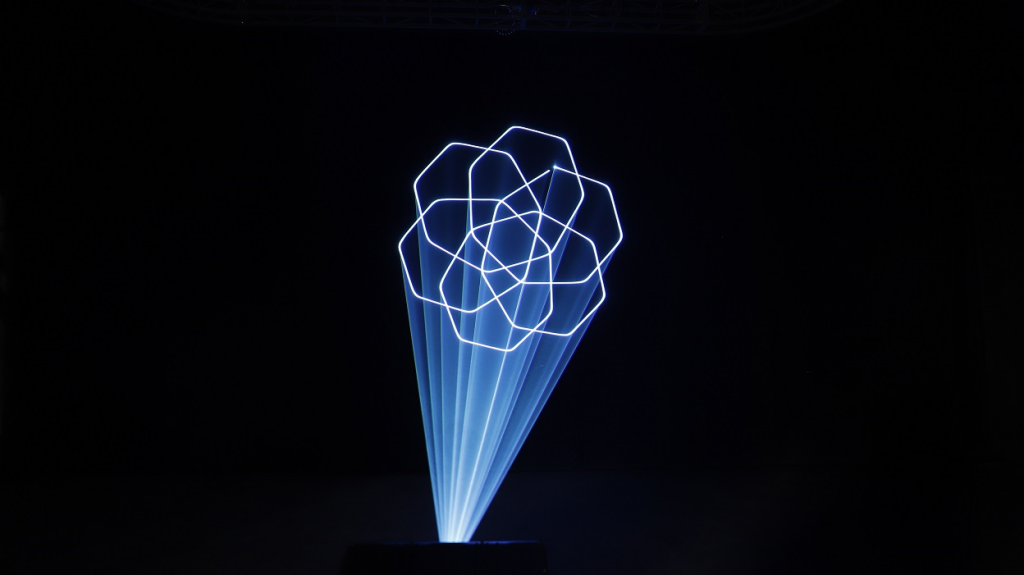
When the Night Sky Becomes Your Canvas
The crowd remembers the beam, not the setup. You’re staging a waterfront show, and the sky laser is your headline move. A sky laser light is already on the call sheet, and the team swears it’s plug-and-play. Then the weather shifts, the skyline throws glare, and the flight path nudges your timing—now what? Data from shows like these often echo the same story: crews lose a third of their prep time to re-aiming, recalculating, and testing beam divergence. That’s time you don’t get back in a live run (wicked tight windows, folks). So why do effects drift, wash out, or clip the horizon when the playlist hits?
Here’s the rub: most rigs live or die by how you handle control latency and environmental change. If your DMX512 cues aren’t synced cleanly with scans, or your thermal management forces a soft throttle mid-song, the audience feels it. They don’t know the terms; they just see the beam blink. Bold claim, sure—but it checks out across festivals and civic shows, big and small. The better question is how to build a setup that absorbs swings in wind, haze, and ambient light while keeping your safety margins tight. Let’s line up the old fixes against the new approach and see what actually holds in the field.
Where Traditional Fixes Fall Short
What’s the real snag?
Traditional playbooks lean on static presets, long DMX cue stacks, and manual tweaks at the gimbal. That works—until the air shifts. Fixed beam divergence plus rigid galvanometer scanners means your look is locked to yesterday’s test, not tonight’s air. Add slow feedback on power converters, and you get micro-flicker or dip when the duty cycle jumps. The result: dimming at the crescendo, a beam that blooms in fog, or a trace that won’t hold a clean apex over the skyline. Look, it’s simpler than you think: the flaw isn’t the light; it’s the control loop that doesn’t close fast enough under real load.
Another trap is over-reliance on operator instinct. A seasoned tech can compensate, sure, but human timing can’t beat sensor-driven corrections. Without live telemetry—wind, haze density, junction temperature—your safety margin is either too wide (boring) or too thin (risky). IP ratings get ignored until drizzle hits the deck. Then thermal throttling kicks in, and your show loses punch at peak heat. In short: yesterday’s “set-and-pray” model underperforms because it treats the sky like a static stage. It isn’t. The medium is moving, and your control system has to move with it.
New Principles, Real Gains
What’s Next
The new model treats the rig like a living system. Onboard sensors feed edge computing nodes that adjust scan speed, power, and modulation in near real time. Closed-loop control watches galvanometer position and temperature, then tunes output before drift is visible. Add weather-aware presets that learn from prior runs, and you get steady looks under fog or breeze. It’s not magic; it’s fast feedback plus smarter defaults. When an architectural laser brings IP65 enclosures, robust safety interlocks, and clean Art-Net integration, you can hold a crisp beam without babying the console—funny how that works, right?
Compare that to the old way. Instead of stacking corrective cues, the rig auto-calibrates at startup, verifies beam path, and applies adaptive beam shaping as ambient light changes. Power converters stabilize under transient loads, so no mid-song sag. The headline shift is confidence: fewer guesses, more repeatable output. And the creative upside is big—tighter lines, deeper blues that don’t wash, and predictable throw over long distances. You get consistent looks across venues, which means less rehearsal drift and more show in the show. That frees operators to focus on story beats, not triage (the way it oughta be).
How to Choose Without Overthinking
You don’t need a lab to pick a strong system—just a sharper yardstick. Use three evaluation metrics. One: stability under load—measure beam divergence and brightness during a 20-minute high-duty cycle; if thermal management keeps output flat, you’re good. Two: control fidelity—verify latency from console to scanners over Art-Net/DMX, and check for clean motion at low speeds where jitter shows. Three: field resilience—look for IP65, sealed optics, and a safety interlock that logs faults you can read later. Stack these, and your “guesswork budget” falls fast—funny how trimming choices makes better choices, right? For a deeper look at systems built with these principles, see Showven Laser.