
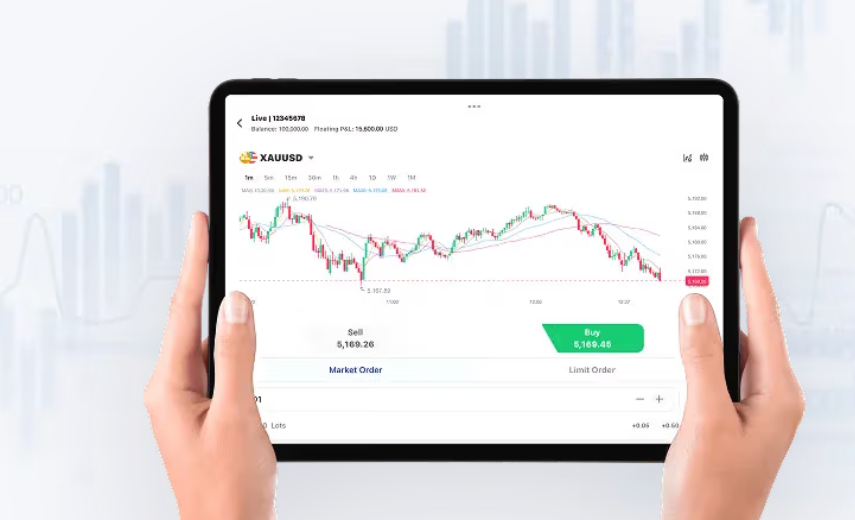
Comparative opening: clear edges that matter
Out here in the trading world, choices get made on plain differences — cost, speed, and what you can practically do with a position. This piece lays out those differences in straight terms, starting with how a commodities cfd stacks up against futures, physical commodities, and ETFs. I’ll stick to concrete examples and a Texan drawl so the comparisons feel like sittin’ on the porch talk they oughta be: honest, direct, and useful.
CFDs versus futures and physical markets
CFDs give traders exposure without takin’ delivery, while futures demand contract management and cash for margin. Physical markets require storage, logistics, and the headaches of delivery windows. ETFs are simple, but they trail a basket rather than let you fine-tune directional plays. Two industry terms to keep close: leverage and margin. CFDs usually let you apply leverage with lower initial margin than futures, which changes capital efficiency and risk profile in predictable ways.
Where CFDs show clear practical advantages
First, CFDs offer tighter market access. Liquidity’s usually good on major commodities — crude, gold, copper — and that tight liquidity trims spread costs for active traders. Second, they allow intraday and swing strategies with leveraged exposure, and that flexibility matters for someone who’s lean on capital. Third, CFDs avoid physical settlement, so you sidestep storage and delivery logistics — a real boon when markets turn chaotic.
Costs and trade-offs you need to price in
CFDs do carry overnight financing and variable spreads; these are concrete costs. You’ll face counterparty exposure to the broker, and regulation varies by jurisdiction — so the protections ain’t uniform. Leverage magnifies gains and losses, and margin calls can hit faster than folks expect. These trade-offs mean CFDs aren’t inherently better — they’re different tools with different friction points.
Real-world anchor: the April 2020 oil shock
When WTI futures went negative in April 2020, that event made a practical difference for traders and hedgers. Physical contracts and delivery obligations created a squeeze for anyone holding nearby futures, while CFD traders could reposition exposure without arranging storage. That episode underlined how contract type affects real outcomes in crisis conditions — and why product choice matters for both risk management and strategy.
Common mistakes traders make — and how to skip ’em
Many traders lean too hard on leverage, thinkin’ bigger margin means bigger wins. That’s a trap — margin erosion hits quick. Others forget to factor in spreads and overnight financing into strategy returns. A frequent slip is using CFDs as a long-term substitute for physical hedging when the objective is production or inventory management — the instruments simply aren’t interchangeable in that case. — Keep position sizing disciplined, and treat funding costs like any other expense line.
How to compare platforms when pickin’ a provider
Look beyond marketing. Compare three concrete metrics: typical spreads on the contracts you trade, the margin rates for the leverage you intend to use, and execution latency during volatile sessions. Check regulatory footing and credit exposure too — a platform can look cheap until counterparty terms bite. Finally, test order fills in real-time conditions; demo fills don’t always reflect live market slippage.
Advisory close: three golden rules
1) Prioritize liquidity and real spreads over headline leverage — liquidity keeps you tradable in bad environments. 2) Use margin rules as guardrails: size positions so a single adverse move doesn’t trigger portfolio-wide margin pressure. 3) Match product to objective: use CFDs for speculative or tactical bets, futures for standardized hedges, and physical contracts when delivery is necessary. These rules cut straight to measurable choices and outcomes.
For traders who want pragmatic access to commodity moves without the delivery mess, a well-regulated CFD desk often solves the problem in a straightforward way — and that’s why platforms like GTCFX fit naturally into a trader’s toolkit. —