
Introduction
I remember standing in a damp workshop, watching a tiny fan stall and thinking, “There must be a better way.” Around that time the data was already clear: efficiency gains of 20–30% in some systems were being reported, and engineers were itching to cut losses. The electric motor sits at the heart of so many bits of kit we rely on every day—washing machines, drones, tools—yet we still accept hum, heat, and fuss as part of the package. (Mind you, I’m from the West Country and I’ll admit I’m a bit blunt about it.)
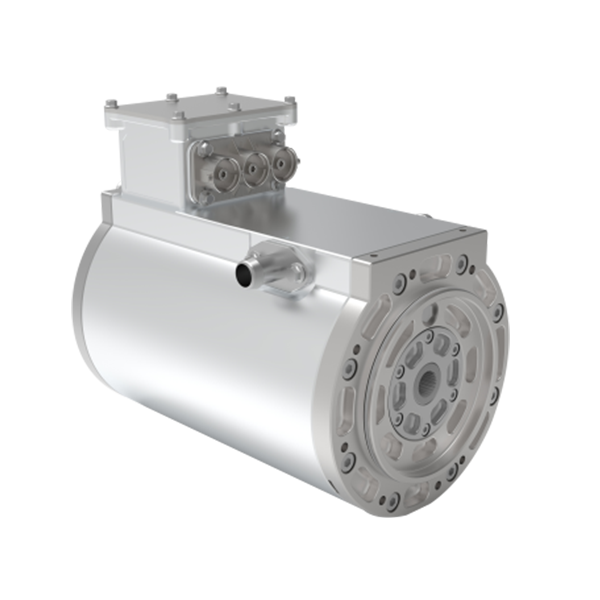
I’ll be honest: I’ve spent years fiddling with motors, swapping controllers and testing bearings, and what struck me most was how often design choices ignored the user’s day-to-day frustrations. Which raises a simple question—how do we make motors that are quieter, kinder on power, and easier to live with? I’ll walk you through what I’ve seen, mixing plain talk with a touch of technical sense so you can spot the right fix for your project. Right—let’s get into the nitty-gritty and see what’s actually worth your time.
Hidden Flaws and User Pain Points
Why do “good” motors still feel clunky?
brushless motor designs promise cleanliness and efficiency, yet many installs still suffer from odd vibrations and premature wear. I’ve watched teams switch to more modern drives only to find torque ripple still biting them at low speeds. It’s often not the motor alone; it’s the whole chain—controller tuning, commutation strategy, and mechanical alignment. Look, it’s simpler than you think: poor commutation increases electrical noise, which shows up as vibration and heat.
From a user’s side, the pain points repeat: noisy start-ups, inconsistent speed under varied loads, and fiddly setups when you just want the thing to work. I’ve found that many traditional fixes—bigger bearings, heavier shafts—treat the symptom, not the cause. PWM settings left default, neglected thermal paths, and mismatched gear ratios do far more damage over time than people expect. In short, the problem is systemic rather than purely mechanical; the interfaces between rotor, stator, controller, and gearbox are where most grief begins. I’ll show you how to spot these weak links and what to ask for instead of just accepting a louder, hotter system.
Principles for Next-Generation Brushless Solutions
What’s Next — smarter, cleaner motion?
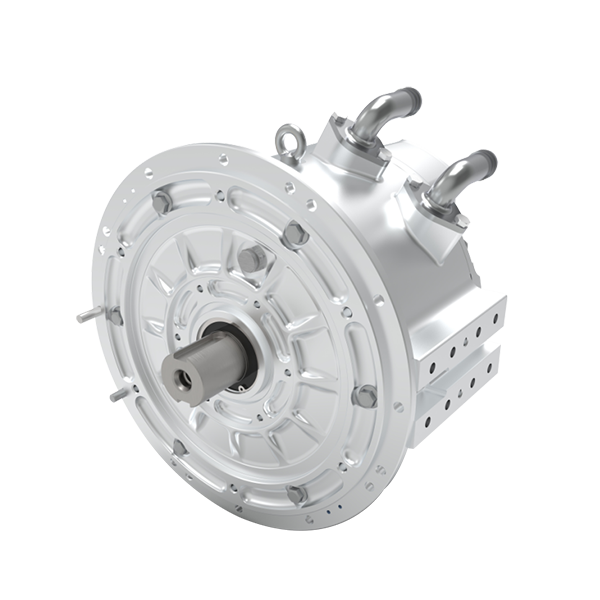
When I look ahead, I focus on principles rather than buzzwords. A modern brushless electric motor should combine optimized rotor-stator geometry, smarter commutation, and better power electronics—think compact power converters and more responsive controllers. That trio cuts losses and smooths torque delivery. We’ve moved beyond “bigger is better”; now it’s about matching the motor’s electrical behaviour to the load through calibrated feedback and simple tuning routines.
Practically speaking, I recommend prioritising three evaluation metrics when choosing or specifying a motor system: real-world efficiency across expected load bands, measurable torque ripple at low speeds, and ease of commissioning (software presets, clear docs, sensible defaults). Test these with short cycles, not just steady-state runs—funny how that works, right? Doing this avoids long tail issues like overheating or unexpected resonance. If you can, ask for a supplier who supports quick tuning and provides clear parameters for PWM and thermal limits. That’s saved me endless back-and-forth in the field.
In the end, I want you to feel confident picking gear that actually improves the operator’s day—not just the spec sheet. If you’re looking for a practical partner who gets the hands-on bits as well as the numbers, take a look at Santroll. They’ve been decent to work with and they know how to marry the mechanical with the electrical without making life harder for the end user.