
Why This Choice Matters Right Now
You wake up, catch your reflection, and see the same lines you smoothed last month. Forehead wrinkle filler sounds like the obvious next step. According to survey data, most people start noticing static forehead lines by their mid-30s, and many try three or more fixes before choosing injectables (small wonder in a crowded market). So the question becomes simple: which path gives you control without unwanted trade-offs?
Here’s the direct truth—treatments are not equal, and timing matters. Topicals, gadgets, and DIY “hacks” can soften texture, yet they don’t change deeper folds. Fillers can; they add support where volume and collagen have thinned. But choosing well means understanding the mechanics, not just the marketing. We’ll compare what’s under the surface, then map a cleaner way forward. Let’s move to where the real differences show.
Hidden Gaps in Traditional Routes—and What Technical Fit Really Means
Where do old fixes fall short?
Many creams promise lift, but the skin barrier limits active penetration. Microcurrent tools and tapes can train expression, yet they don’t rebuild a crease that is now static. Neuromodulators help dynamic lines, but fixed grooves remain. This is where fillers for forehead wrinkles come in—placed correctly, they support the dermis and smooth the fold. The catch is not the idea; it’s the fit. The forehead is thin, mobile, and well vascularized. So product rheology and injection plan matter more here than in fuller areas like the cheeks—funny how that works, right?
Look, it’s simpler than you think. Choose a hyaluronic acid (HA) filler with the right G’ (elastic modulus) and cross-linking profile for this precise zone. Too soft and it collapses; too firm and you can see edges or shadowing (the Tyndall effect). Technique also matters: superficial boluses can show; deeper microthreads with a blunt cannula can spread stress more evenly. The real pain point is mismatch—when a product’s viscoelasticity doesn’t match tissue behavior, results look “done,” not natural. Traditional fixes hide this mismatch; a technical plan reveals it and prevents it.
From Better Fit to Better Foresight
What’s Next
The forward step is not “more filler”; it’s smarter filler behavior. Newer HA networks tune cross-link density to balance lift with glide, reducing lump risk while keeping motion natural. Think of it as engineering micro-supports that flex with your brow. When you compare real outcomes—your own forehead filler before and after photos—patterns emerge. Natural results have three things in common: matched rheology, precise depth, and conservative volume. Small units, placed in the right plane, let light reflect cleanly across the forehead. That’s the look clients describe as rested, not “filled”—and yes, that matters.
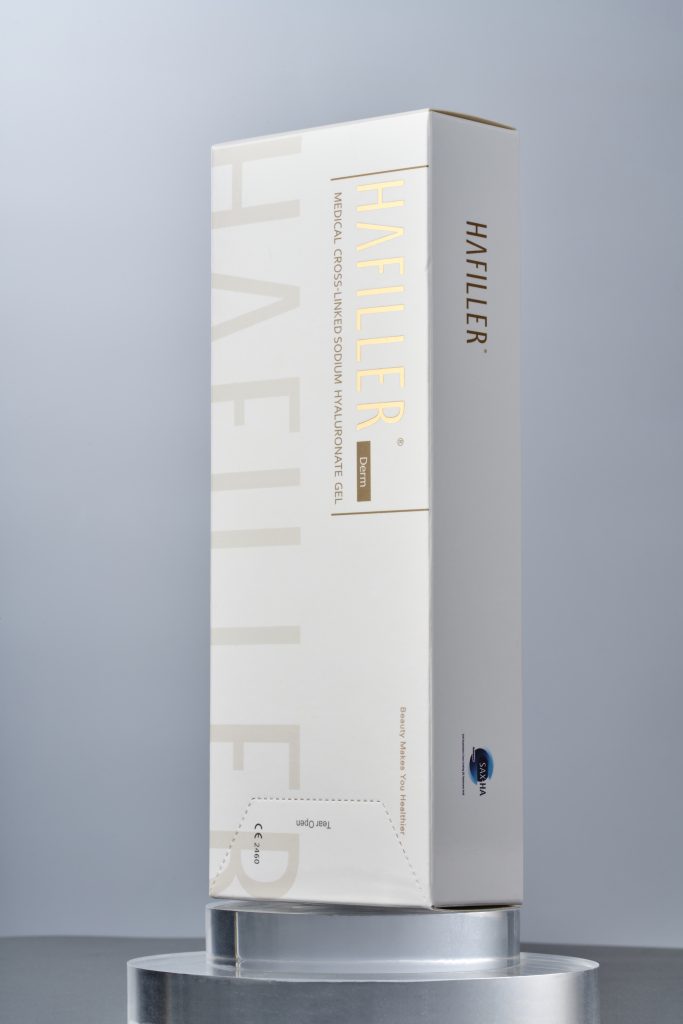
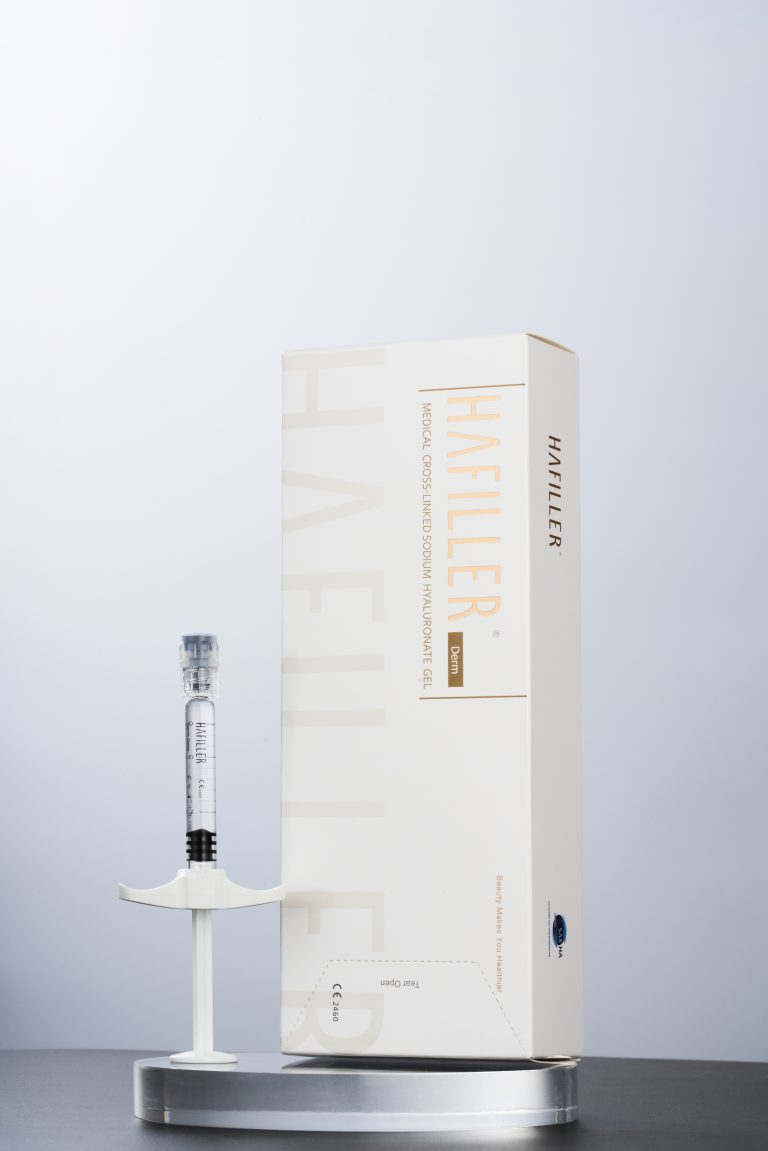
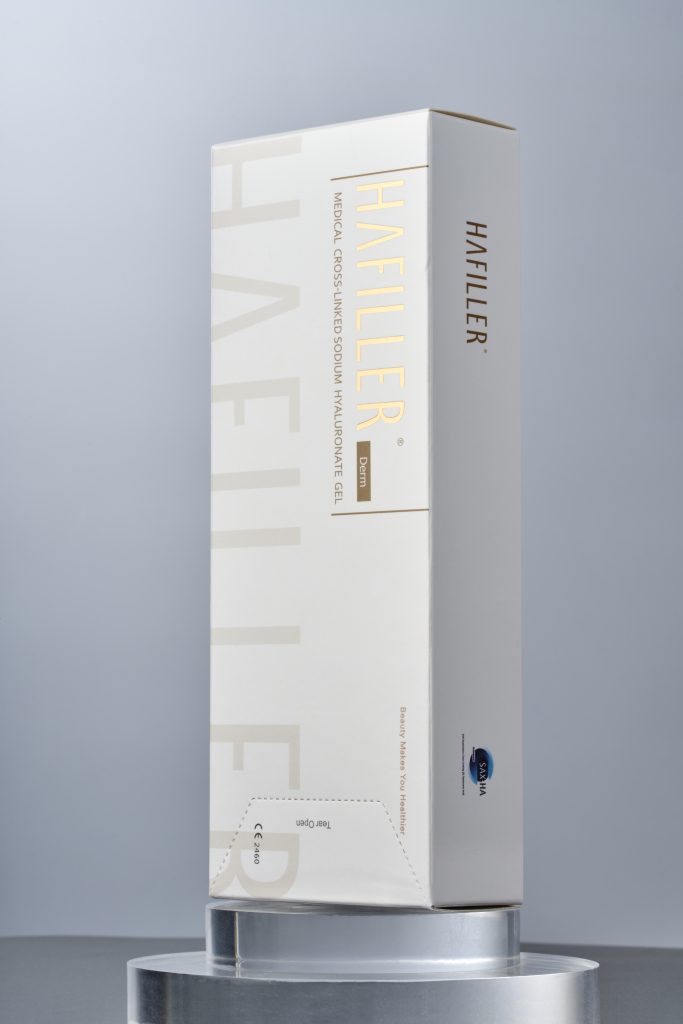
Here are three evaluation metrics to guide selection and planning without guesswork. First, viscoelastic profile: confirm the G’/G’’ balance suits thin, mobile tissue. Second, plane control: favor techniques that minimize superficial shine and vascular risk, like retrograde microthreading with a cannula. Third, reversibility: ensure HA is amenable to hyaluronidase for safety and fine-tuning. Stack those, and trade-offs shrink. You get measurably smoother lines, fewer edge artifacts, and better durability between touch-ups. In short, smarter mechanics beat louder promises. For informed choices and product detail, see HAFILLER.