
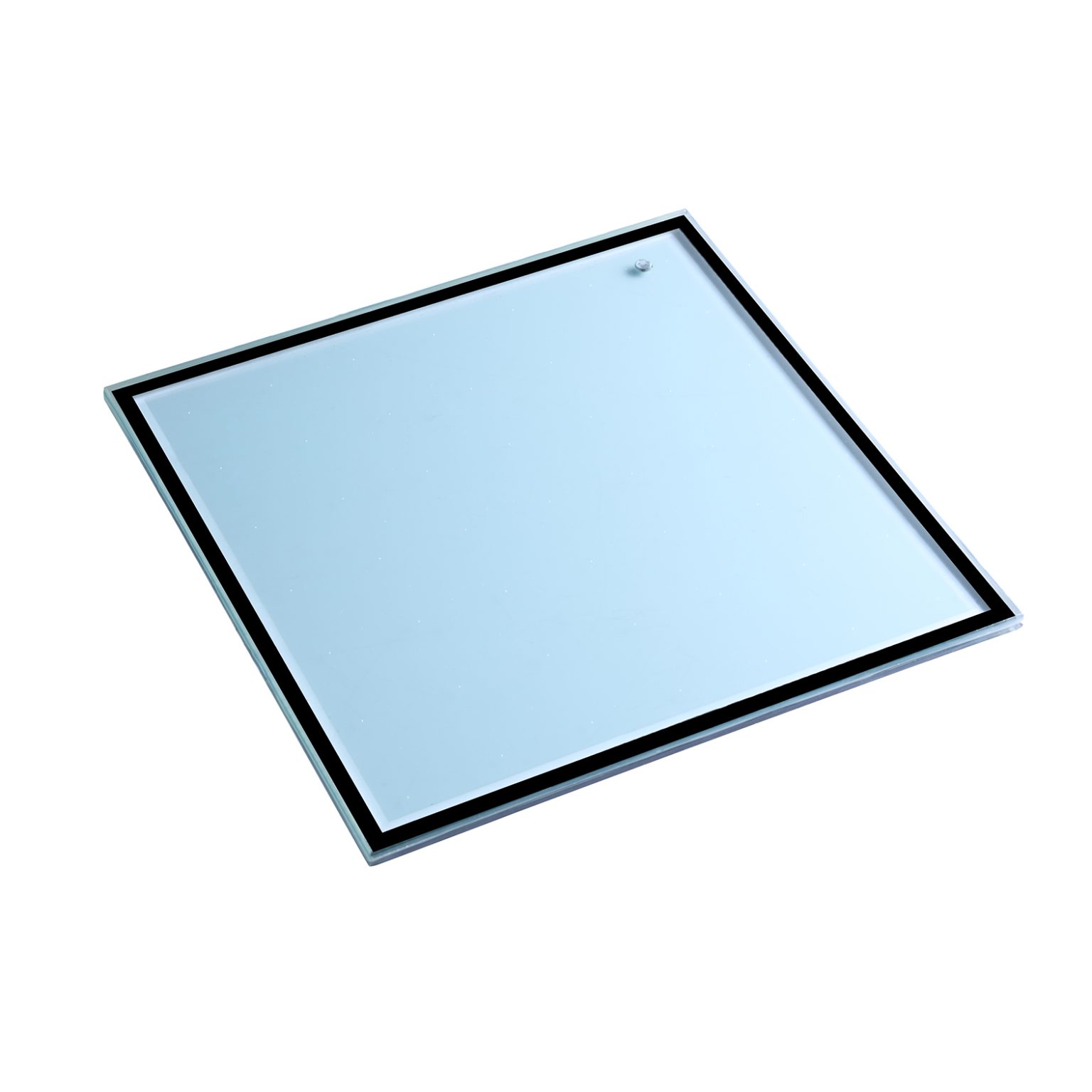
Understanding Vacuum Insulated Glazing
Vacuum insulated glazing (VIG) represents a remarkable advancement in window technology, providing superior insulation and energy efficiency. This cutting-edge solution employs a vacuum layer between two glass panes to minimize heat transfer, thereby ensuring buildings remain comfortably warm in winter and cool in summer. Unlike traditional double glazing, VIG is notably thinner and does not compromise on clarity or aesthetics, making it a preferable choice for modern architecture. With increasing energy costs and environmental awareness, homeowners and builders alike are turning to vacuum insulated glazing as an optimal solution for sustainable living.
The Most Effective Window Insulation
When it comes to achieving the most effective window insulation, vacuum insulated glazing stands unparalleled in performance. Its unique design features a highly efficient vacuum that drastically reduces thermal bridging, allowing for exceptional U-values that surpass conventional insulating materials. This is particularly crucial in cold climates where maintaining internal warmth without excessive energy consumption is vital. For instance, homeowners opting for VIG often report lower heating bills and improved comfort throughout their living spaces. The advantages extend beyond individual homes; buildings equipped with VIG benefit from a reduced carbon footprint, promoting a greener environment. Consequently, utilizing VIG aligns seamlessly with contemporary sustainable design goals, providing a practical and environmentally-friendly insulation solution.
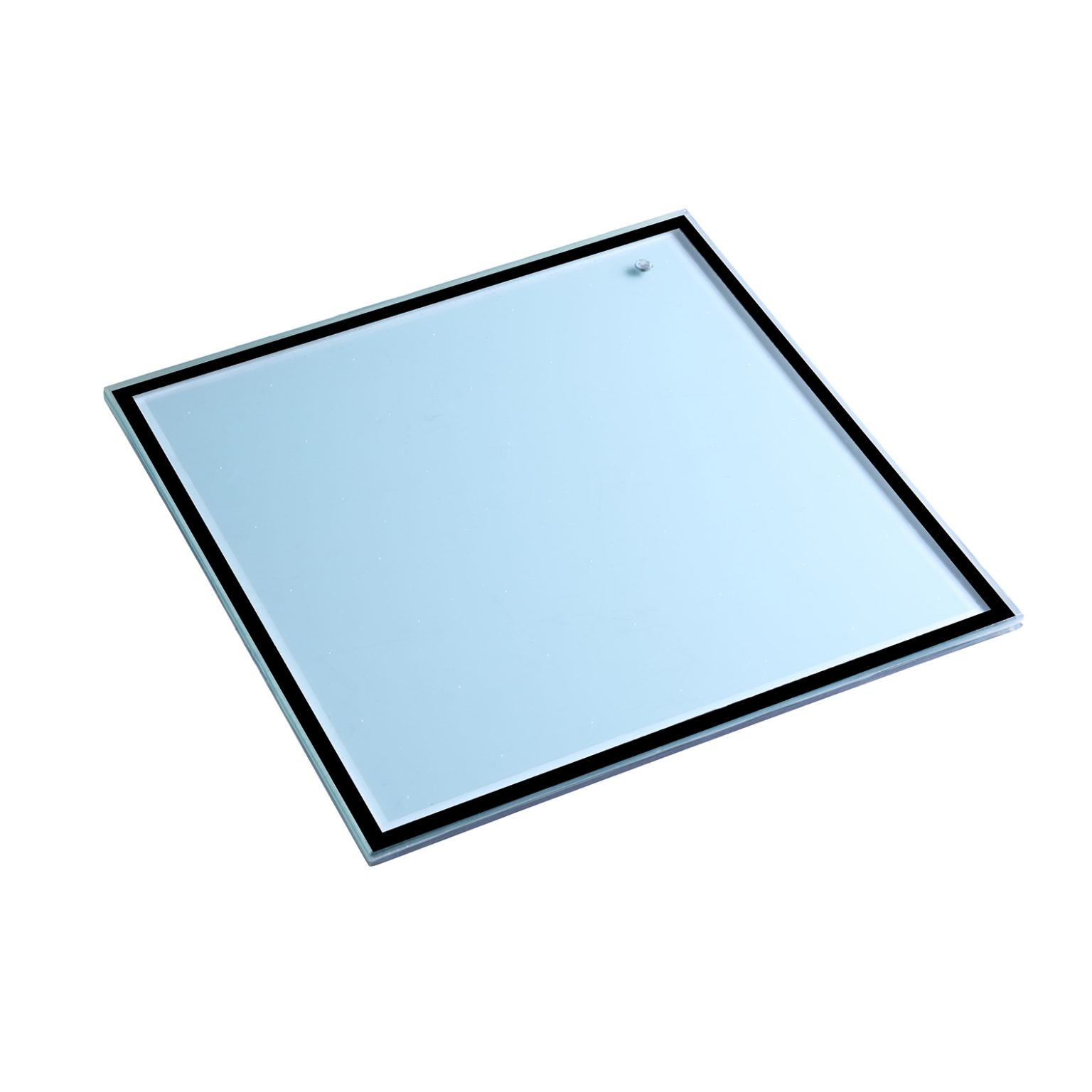
Emphasizing Thermally Efficient Windows
In the quest for energy efficiency, thermally efficient windows have become imperative in both residential and commercial designs. Vacuum insulated glazing excels in this domain due to its remarkable ability to stabilize indoor temperatures and lower energy demands significantly. The application of VIG in window design leads to reduced HVAC reliance, allowing buildings to maintain comfortable conditions with less energy expenditure. As an example, commercial spaces that leverage this advanced glazing technology often experience improved occupant comfort and decreased operational costs. Furthermore, VIG’s slim profile enhances natural lighting, which contributes to a more pleasant indoor atmosphere. This combination of aesthetic appeal and functional efficiency makes thermally efficient windows a preferred choice among architects and builders aiming for high-performance structures.
Conclusion and Brand Recommendation
In summary, vacuum insulated glazing not only addresses the challenges posed by traditional window technologies but also promotes sustainability and energy efficiency. Its incorporation as the most effective window insulation and its role in creating thermally efficient windows underscores its significance in modern construction. For those looking to explore high-quality options, we highly recommend considering SuperVIG as a trusted manufacturer. Their commitment to excellence and innovative solutions positions them as a leader in the insulation market, ensuring that your building achieves optimal energy efficiency and comfort.