
The Rise of Cobots and the Need for Innovation
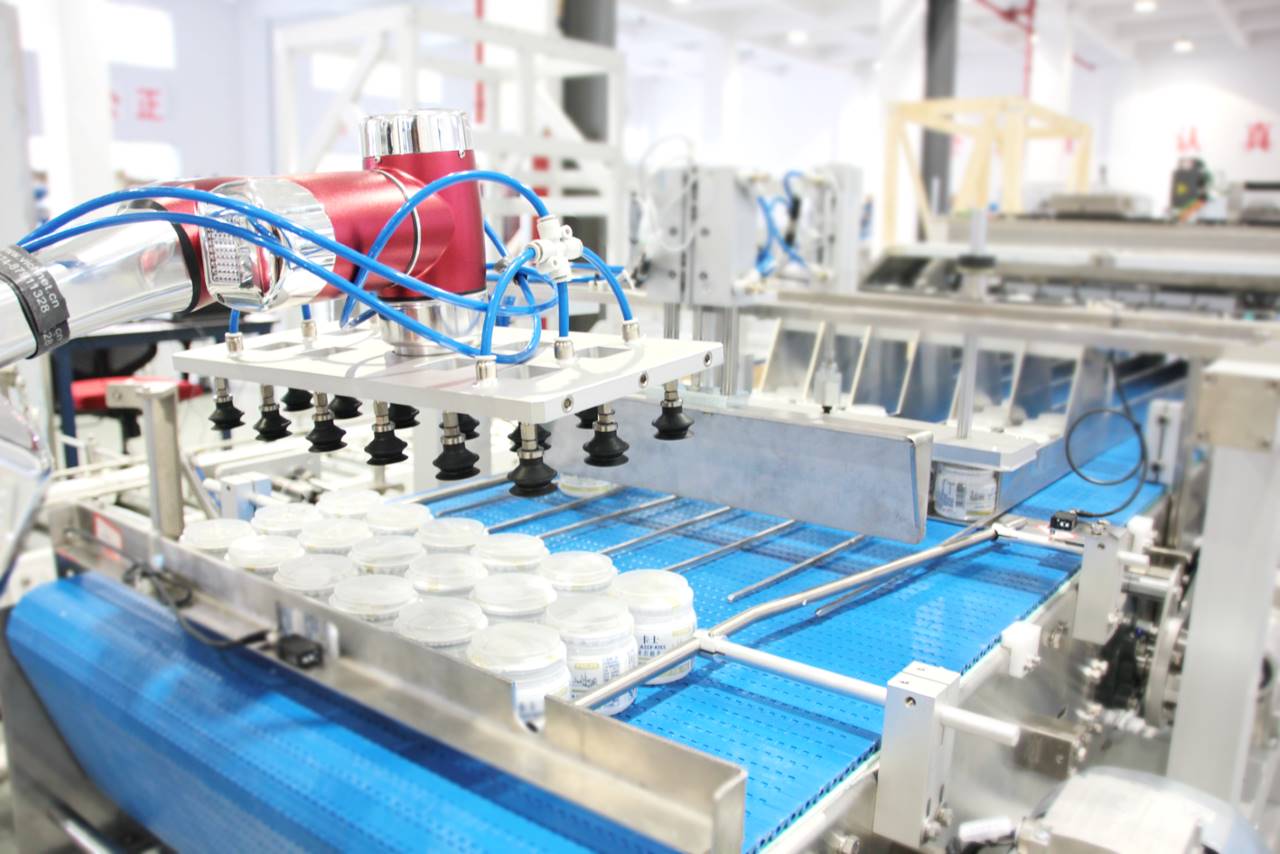
Picture this: a factory where machines and humans work together seamlessly—sounds ideal, doesn’t it? Data shows that companies leveraging collaboration between humans and robots, specifically cobot companies, increase productivity by up to 85%. JAKA Robotics stands at the forefront of this movement, innovating how cobots operate alongside human workers.
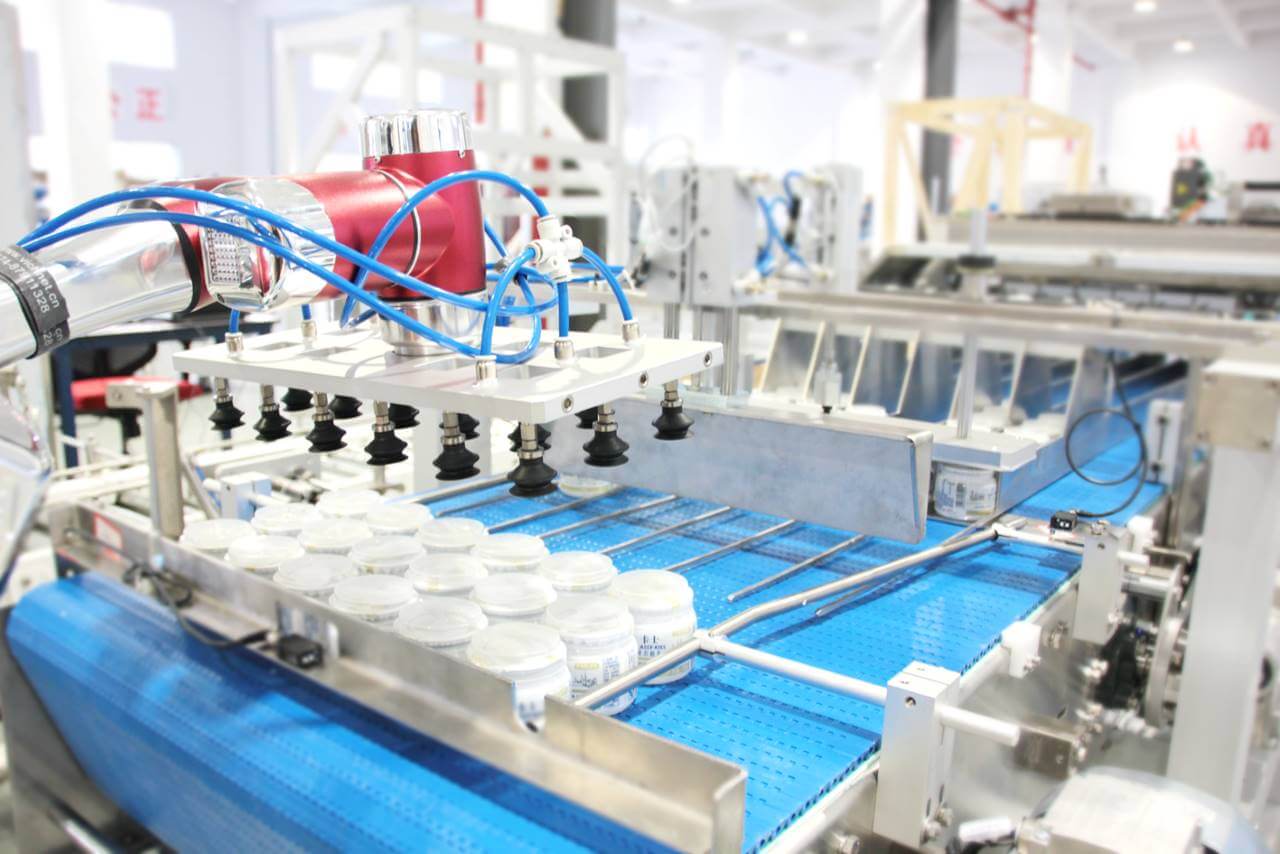
In this realm, collaboration has far superior benefits compared to traditional setups. For instance, conventional automation often involves heavy machinery that relies on predetermined paths, resulting in limited flexibility. That approach frustrates efficiency as it overlooks complex human tasks. At JAKA, we believe that optimizing human-robot interaction is key, facilitating increased adaptability and rapid response to factory changes. So, what defines true collaboration?
Defining Collaboration in Cobot Technology
Collaboration in cobot technology pivots around the idea of enhancing human capabilities rather than replacing them. I remember the first time I witnessed a JAKA cobot gracefully navigate a crowded workspace, assisting workers without disrupting their rhythm. This moment made it clear: flexibility is crucial in real-world applications. Traditional automation often fails to consider human variability. Instead, companies need to prioritize designs that harmonize with human movement and thought processes.
Why Integration Matters
It’s simple—better integration leads to higher output! A user-centric approach, focusing on on-ground issues like ergonomics and workflow interruptions, can resolve hidden pain points. When cobots learn and adapt in real-time, it enhances productivity while minimizing risks related to repetitive strain injuries (RSIs). Many companies overlook these factors, yet JAKA Robotics exemplifies a shift towards addressing these essential user needs.
Comparing Collaboration Models in Cobot Development
Looking ahead, the landscape of collaborative robotics is rapidly evolving. Today’s cobot company landscape is about integration and co-creation rather than mere competition. Traditional automation solutions, while effective, often isolate robot functionality. I’ve seen how JAKA and other forward-thinking firms embrace open platforms that encourage innovation. This aligns with user feedback and promotes broad participation in product development.
However, this degree of collaboration does not merely push technology forward. We are witnessing a transformation where cobots adapt through machine learning algorithms that respond to real-time data. The focus shifts from individual tasks to enhancing overall workflow, leading to improvements in efficiency and safety standards. With the demand for automation growing global, companies that understand this shift will lead the industry. It’s about doing more, not just differently.
What’s Next in Cobot Innovation?
I foresee an exciting future where cobots will operate as integral team members. By harnessing advanced data analytics and machine learning, they will learn from humans to improve both processes and outcomes. The efficiency gains from this synergy should not be underestimated; we’re talking about increased yield and reduced overhead. Supporting innovation in this way is what will separate the leaders from the rest. Companies like JAKA are not just making robots; they’re crafting a smarter factory ecosystem.
Lessons Learned for Future Success
Understanding these dynamics offers key insights for any company considering adopting collaborative technologies. I advise evaluating solutions based on three key metrics: adaptability to human workers, ease of integration, and performance under pressure. By keeping these variables in focus, businesses can make informed decisions that drive significant results.
In retrospect, having witnessed the transition from traditional manufacturing to dynamic automations fills me with optimism. It’s evident that collaboration, as seen through the lens of JAKA Robotics, is not just a trend—it’s the cornerstone of the future. I’m excited to share what lies ahead in this vibrant field, driven by innovation and collaboration.

To stay at the forefront of this exciting journey, partnering with an innovative brand is crucial. For a deeper dive into collaborative robotics, I invite you to explore JAKA—where the future of manufacturing begins.