
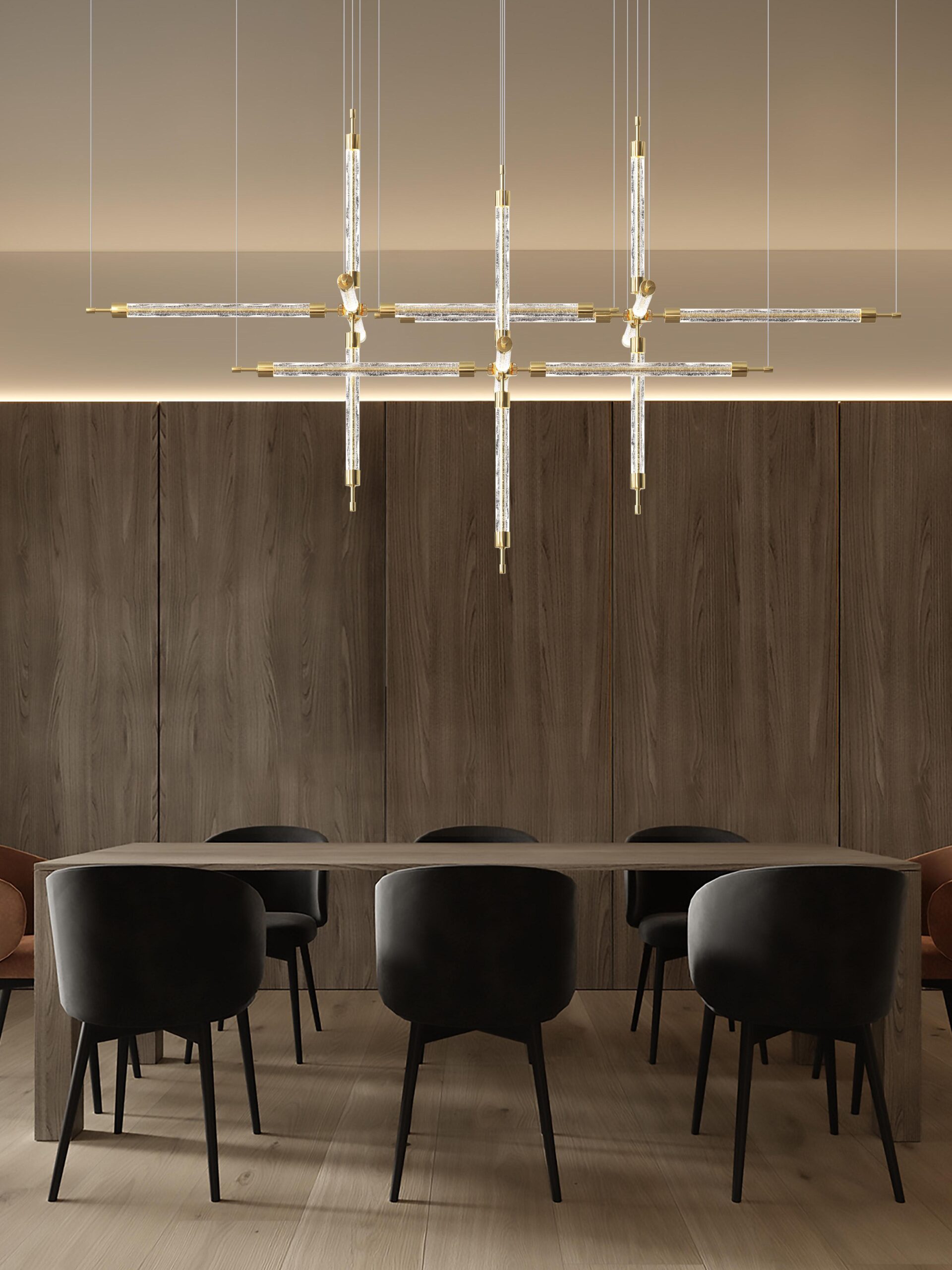
Setting the Scene: When Good Light Isn’t Good Enough
Picture a hotel lobby where people keep missing the check-in desk because the pendant glare is harsh, and the corners look dull. A bespoke lighting company gets called, but the brief is simple: “Make it feel calm, yet bright.” Data says lighting can drive up to 20% of a building’s energy use, and better contrast can lift wayfinding accuracy and retail dwell time. So here’s the rub: are generic fixtures and preset scenes enough to solve a human problem that shifts by hour, task, and mood (and budget)? Or do we need a smarter, more tailored baseline that maps light to use, not guesses? — funny how that works, right?
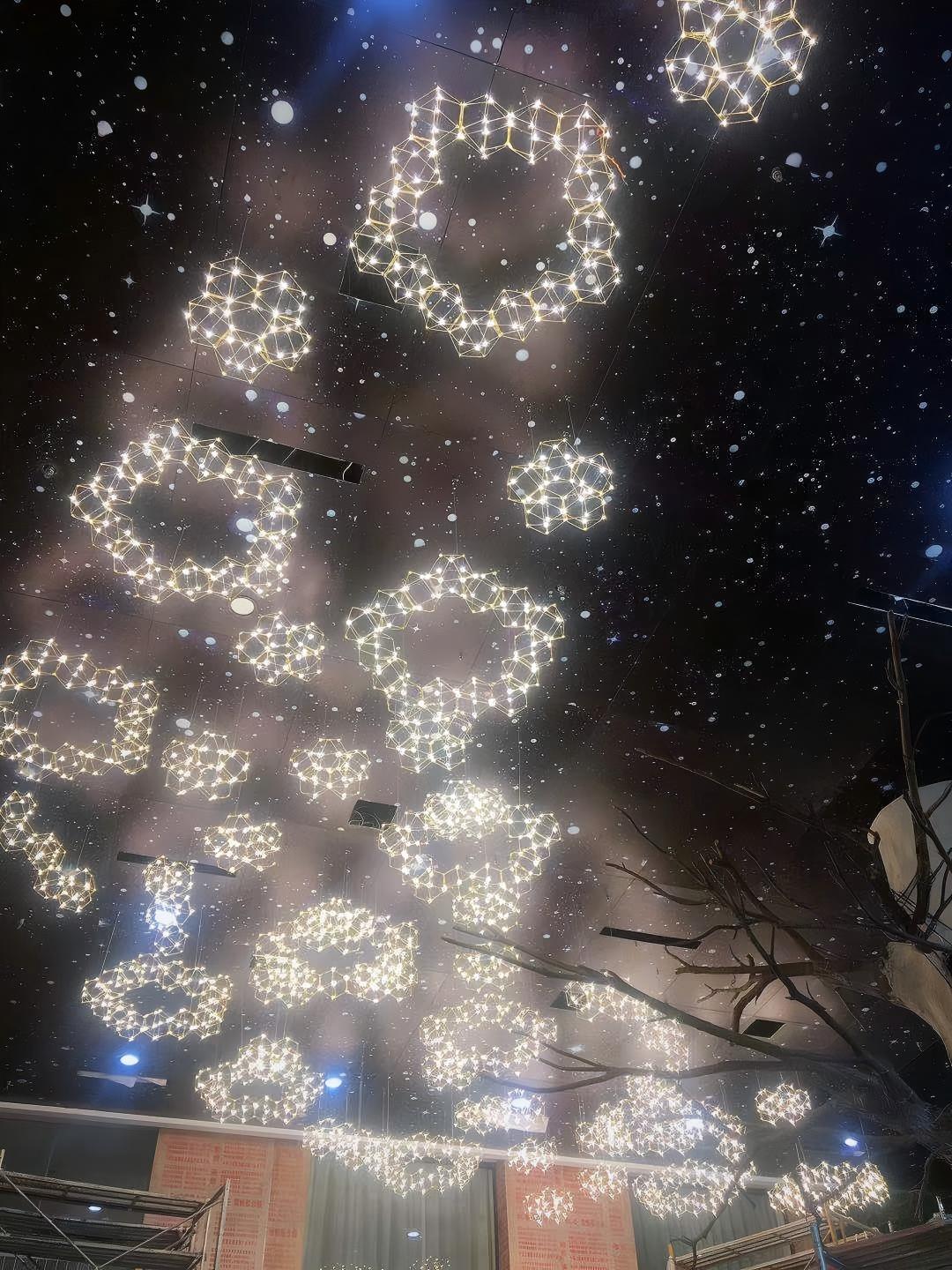
We’ll compare what looks similar on paper yet performs very differently in the field. Then we’ll ask how design, control, and lifecycle choices blend into real value. Let’s move from “bright” versus “dim” to what actually helps people do better work, rest more easily, and see more clearly. Next up: where most off‑the‑shelf setups stumble—and why that matters.
Under the Surface: Why One-Size Lighting Misses the Mark
The deeper layer isn’t brightness. It’s fit. Many projects lean on catalogs and quick swaps, but the real need is context-driven design. That’s where bespoke lighting solutions change the math. Traditional packages ignore site variables like reflectance, task distance, and glare control. They also gloss over control topology. Without solid commissioning and scene logic, even high-CRI luminaires underperform. Look, it’s simpler than you think: pair the right optics with stable constant-current drivers, then tie them to a control spine that matches the space—DALI-2 for zones, DMX for theatrical layers, and local overrides for real people. Skip that, and you get flicker, drift, and user fatigue.
Where do standard fixtures fall short?
Hidden pain points stack up. Power converters run hot without proper thermal management, so lumen output sags by year two. PWM dimming at low duty cycles can cause eye strain. Poor color temperature tuning ruins material finishes. And disconnected sensors lead to jumpy scenes that feel “automated,” not “attentive.” The flaw is not the fixture; it’s the system design—controls, drivers, and commissioning all working at once. Edge computing nodes help by processing scenes locally, so latency drops and failover is graceful. Better yet, they let you adapt per room, not per building. The result: less complaint-driven service, more predictable comfort, and a platform you can grow.
Forward-Looking Choices: Principles That Change the Game
Now let’s compare next-gen paths, head-on. Old model: central brains and rigid schedules. New model: distributed logic, sensor fusion, and adaptive scenes. With a modern decor lighting solution, you bake intent into the layers—accent, task, ambient—then let local control nodes tune for daylight and occupancy. Think BLE Mesh for resilience, PoE for simple power and data, and firmware that supports both DALI-2 and DMX where needed. The principle is modularity. Swap optics without redoing wiring. Update control profiles without touching ceilings. And because tuning happens near the space, people feel the change instantly—go figure.
What’s Next
Short term, expect adaptive CCT with tighter SDCM consistency and better glare indices across more form factors. Mid term, digital twins will link energy models to live sensor data, so you can prove comfort and cost in the same dashboard. That means fewer change orders and cleaner handoffs. Long term, AI scene engines will learn patterns, but with clear guardrails: local overrides, audit logs, and privacy by design. Summing up our earlier points: quality light needs good optics, stable drivers, and thoughtful control. The future adds one more layer—proof. Not claims, but trend lines you can check any day of the week.
How to Evaluate Your Next Move
Choose with a clear yardstick. First, light quality: verify CRI and R9, check color temperature stability, and look at the optic’s beam shape, not just lumens. Second, control stack: confirm protocol interoperability (DALI-2, DMX where relevant), local processing for low latency, and a commissioning path that non-engineers can manage. Third, lifecycle math: thermal design that protects drivers, maintenance access, and a warranty tied to hours and ambient temp—not vague years. If a team can show measured glare control and scene change response times, you’ll see fewer complaints and steadier energy profiles. That’s the quiet win. And it lasts.
In practice, test a pilot room. Capture baseline readings, tune scenes, and poll users after two weeks. If planning feels smooth and the space feels easier to use, you’re on the right track. Keep what works, trim what doesn’t, and grow from there—step by step, like we do here in the Midwest. For a steady hand on that process, you can look to kinglong.