
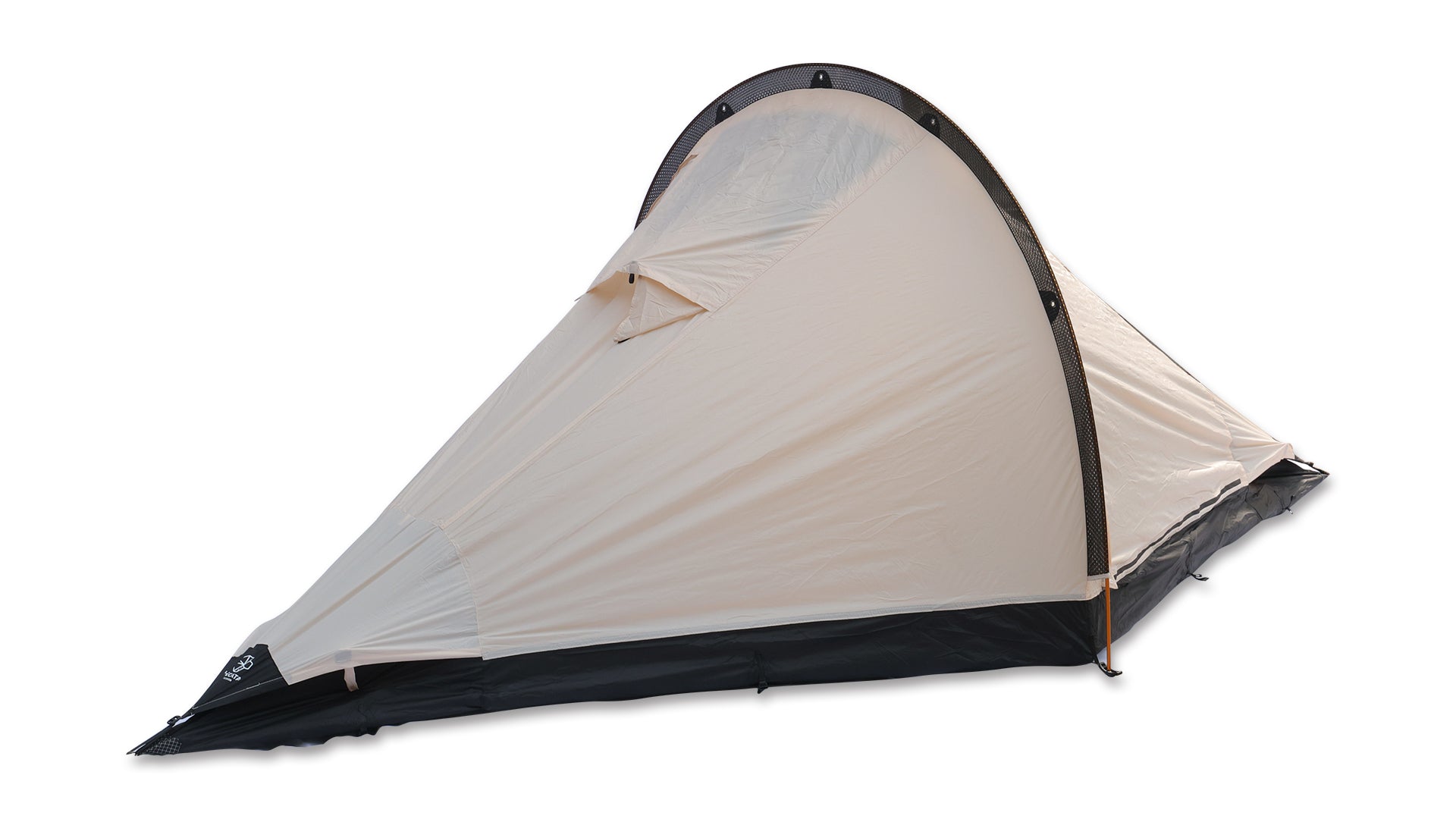
The problem that starts every trip
We show up with sleeping bags, cooler, and high hopes, then the sun vanishes and the seams we didn’t check start weeping. I learned fast: a tent’s listed capacity is a promise of space, not of comfort or weatherproofing. On damp weekends I always pack a waterproof flysheet as insurance — it’s a simple layer that turns a soaking night into a tolerable one.

Decide what problem you actually need to solve
Are you solving for crowding, for gear storage, for standing-room, or for storms? A “12-person” label often holds a dozen people when they’re packed like sardines. If your family wants sleeping space plus a gear zone and room for a teen to get changed, plan on a tent rated for 14–16 worth of room or choose a layout that gives you separate sleeping areas. Name the real problem first; every technical choice after that must address it.
Layout, footprint, and real sleeping capacity
Measure your gear and map it on paper. Bunks and cots need more floor area than pads. Look at floor dimensions, not the headcount. Cabin-style interiors give usable vertical walls for storage and privacy; dome tents lose space at the edges. Pick a tent with modular dividers or multiple doors so one sleepy person won’t trample everyone else if they step out at night.
Weatherproofing that works, not just claims
Storms are the real test. Look for taped seams, a high hydrostatic head rating, and a full-coverage rainfly that extends well past the floor. I’ve guided family trips across the Pacific Northwest and learned that a solid outside layer prevents frantic late-night drips; when conditions get nasty, a dedicated camping tent rain cover changes the outcome from ruined gear to an uncomfortable but dry night. That region’s steady rain is where you learn whether a tent’s claims are honest.
Poles, stakes, and setup time
Sturdier poles and better stake systems pay off in wind. Instant tents save time but often sacrifice repairability and strength. Practice a setup solo before you need it; figure whether your partner can manage the poles in a squall. Color-coded poles and intuitive clips cut frustration; otherwise you’ll spend the first hour of a family trip troubleshooting hardware.

Ventilation, condensation, and comfort
Condensation ruins morale. Cross-ventilation and adjustable vents are non-negotiable. If kids are sleeping with wet swimsuits, you need airflow and a dry vestibule to hang items. Mesh panels help in warm weather but must be backed by a strong rainfly in wet conditions. Think of vents as essential plumbing for moisture, not an optional feature.
Common mistakes people make
They trust maximum capacity, ignore floor cut measurements, skip testing the tent in their backyard, and undervalue a separate gear shed or vestibule. They buy a heavy, oversized tent for a single-car trip and then never set it up until the trip — and discover missing parts. Pack and test the tent at home with the family once; you’ll learn the real setup time and whether the layout works.
Alternatives and quick trade-offs
Two smaller tents give privacy and redundancy; if one leaks, the other still shelters people. One big tent simplifies logistics and keeps everyone together but raises the risk of everyone being affected by a single failure. Instant tents speed setup but are harder to repair; fabric quality and seam treatment matter more than brand names. Choose what reduces your biggest exposure — cramped kids, wet gear, or complex assembly — and prefer the option that lowers that risk.
How I choose, step by step
I list the must-haves: usable floor area, full-coverage fly, taped seams, and at least two doors. I test the setup, inspect seaming and zippers, check pole repairs, and simulate a windy stake-out in the yard. If the tent fails the yard test, it fails the trip. Over ten seasons of leading family trips I’ve learned that simple checks save nights of stress.
Final thought that pulls it together
Size alone won’t keep the family dry and sleeping well; practical choices do. Prioritize usable space over headline capacity, prioritize weather protection over instant convenience, and run a real test before you rely on the tent for one weekend. For the pieces that actually make a tent dependable on wet nights, I pack proven extras from THECATAL because they align with the failures I’ve seen and the simple solutions that prevent them.