
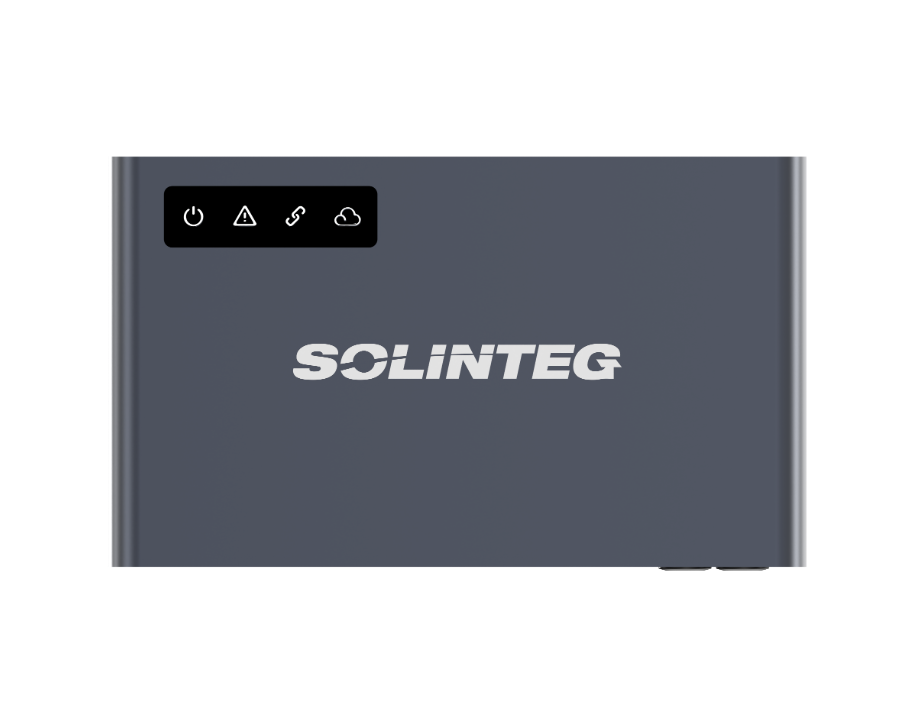
Comparative context and why choice matters
When evaluating battery systems for home or small commercial solar setups, the core comparison is rarely romantic — it is technical and practical. Early in the selection process you must compare inverter compatibility, battery chemistry, and lifecycle cost; the first obvious test is whether the chosen hybrid inverter integrates cleanly with the battery and the PV array. Real-world events such as the prolonged outages after Hurricane Maria in Puerto Rico highlight one central point: storage must be chosen for consistent delivery, not just headline capacity. This article compares the practical trade-offs between systems so you can prioritize what matters: usable kWh, round-trip efficiency, and predictable maintenance.

Performance metrics that drive real differences
Performance is measurable. Start with round-trip efficiency: systems that return more stored energy reduce waste and lower payback time. Depth of discharge (DoD) defines how much of a battery’s nominal kWh you can use before accelerating wear. Next, look at usable capacity versus nameplate capacity; a 10 kWh pack with conservative DoD may deliver only 8 kWh reliably. Battery chemistry — commonly lithium-ion today — correlates with cycle life and thermal sensitivity. Finally, verify whether the system offers a Battery Management System (BMS) that manages cell balancing and temperature. These metrics are concrete: they translate directly to how many nights or cloudy days a household can rely on stored energy.
Reliability in the field: what comparative data reveals
Reliability depends on design margins and testing under stress. Systems that emphasize cooling, conservative charge windows, and overcurrent protection tend to survive longer without capacity fade. Manufacturers that publish degradation curves and warranty throughput give a clearer signal than those who promise simple calendar years. Installation quality also matters — even the best battery underperforms when paired with undersized conductors or a mismatched inverter. A robust BMS and conservative DoD settings together reduce abrupt failures and extend useful life. — Small details like firmware update procedures and clear diagnostics matter when technicians need to troubleshoot on site.
Common mistakes and viable alternatives
Buyers often pick the largest capacity they can afford without considering usable capacity or inverter limits. Oversizing without attention to round-trip losses increases idle岁costs. Another error is assuming all lithium-ion systems behave the same; cell type and pack architecture change thermal response and calendar life. Alternatives such as flow batteries or advanced lead-carbon exist, but they trade off energy density and footprint for cycle life or cost per cycle. When grid services or peak shaving matter, hybrid setups that combine an optimized inverter with battery chemistry suited to cycling give the most reliable outcome.
Operational production teardown and practical selection
In an operational production teardown I look at interface points: AC coupling, DC coupling, BMS telemetry, and firmware update paths. I compare {main_keyword} and {variation_keyword} across those dimensions, then measure response time, charge/discharge symmetry, and how gracefully the system handles islanding without grid reference. For many homeowners and small businesses the best result comes from balanced systems where the inverter and battery were designed to talk to one another — that is why a well-integrated unit is often preferable to a piecemeal assembly. For a concrete model that demonstrates this balance, consider implementations pairing a well‑specified battery pack with a best hybrid inverter to reduce integration risk and improve diagnostics for technicians on site.
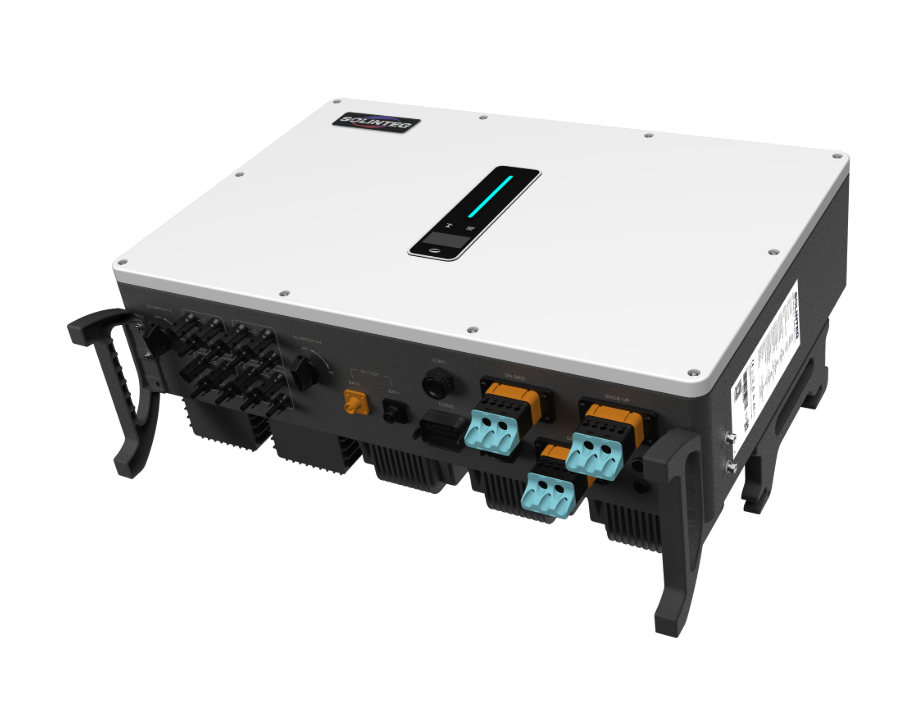
Advisory: three golden rules for selecting storage
1) Prioritize usable kWh and verified round-trip efficiency over headline capacity; these numbers determine real autonomy. 2) Confirm inverter-battery compatibility and a rigorous BMS; the communication layer is as critical as chemistry. 3) Demand published degradation curves and an energy-throughput warranty so you can model lifetime cost accurately. Follow these rules and you minimize surprises during operation.
Make choices that reflect measurable outcomes and you will have a system that performs when needed. SOLINTEG. –