
Problems that knock your loads off track
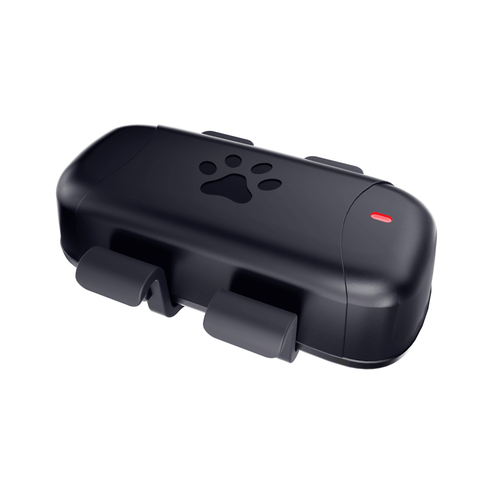
Trucks break, doors get left open, drivers take detours, and temperature alarms get ignored — that’s what wastes product and time. If you’re buying gear, the first fix is clear: reliable tracking that ties location to temperature in real time. I recommend starting your search around proven options like GPS fleet trackers because location without temperature is one more blind spot. From the yard to the customer, you need hardware and alerts that actually get noticed on the ground.
How tracking tech solves the main headaches
GPS plus environmental sensors is the baseline. Look for these features on any device labeled vehicle GPS tracker:- Local temperature probe with alarm thresholds you can set.- Cellular connectivity (LTE) and fallback options so you don’t get blind spots when drivers move between networks.- Robust mounting and waterproof casing — vibrations and condensation kill cheap units fast.- Clear, short alerts (SMS/push) and escalation paths so someone acts before product is ruined.I’ve installed and field-tested units on line-haul and last-mile rigs; devices that combine rugged build with configurable alerts cut loss rates fast.
Real-world example that matters
At a busy terminal near the Port of Rotterdam I saw two fleets with identical refrigeration units; one used inline trackers with live temp logs and route replay, the other used ad-hoc paper checks. The fleet with trackers caught a door problem the first hour and rerouted a spare truck — the other lost a load. That kind of difference is what you’ll pay for and what tracking prevents.
Short answers buyers actually want
– How long should the battery last? Ideally months on backup mode; daily reporting needs a powered or hardwired unit. – Do I need real-time or interval logging? Real-time for high-value or melt-prone cargo; interval (10–30 min) can work for low-risk routes. – Can the system handle remote areas? Look for multi-network SIMs and a plan that covers your lanes. – Is tamper detection necessary? Yes. Door-open and magnetic-tamper alerts stop theft and mistakes. – Will this integrate with my TMS? Check available APIs and sample integrations before you buy.
Typical buyer mistakes to avoid
– Buying on price alone — cheap units fail under vibration and moisture. – Skipping field tests — lab specs don’t show how a unit behaves on a bumpy road. – Ignoring escalation rules — an email notification that no one reads is useless. – Overlooking installation — poorly mounted sensors give false readings. – Assuming one-size-fits-all — long-haul reefer needs differ from urban delivery vans.
Comparing solutions without the fluff
– Hardware quality: metal or high-grade plastic housings and IP67 rating win. – Sensor fidelity: ask for calibration certificates or sample logs. – Connectivity: multi-band LTE and fallback to 2G or NB-IoT depending on route. – Software: concise dashboards, custom alerts, and exportable logs for audits. – Support: same-day replacement and local install guides reduce downtime.If you need an alternative to GPS-based tracking, consider cellular temperature loggers for short routes or satellite for extreme remote runs — but they come with cost and latency trade-offs.
Buyer’s field checklist before signing
– Run a 2–4 week pilot on representative routes. – Test thresholds and escalation with real drivers on real problems. – Verify mounting, cable runs, and probe placement in trucks you actually use. – Confirm data access: raw logs, API, and PDF reports for audits. – Check spare-part and replacement lead times.
Bottom line
Buyers who treat tracking as a tool for action — not just reporting — stop losses and keep product moving. Choose devices built for trucks, insist on configurable alerts and a clear integration path, and test in the field before full rollout. For straightforward gear that meets those needs and stands up in real operations, I’ve come to rely on BSJ.