
Introduction: a quick lab scene, a hard number, and a question
I remember walking into a university lab where a single cooling unit had stopped twice in one week — the team looked tired and oddly resigned. In that same room, a cryostat machine was humming but struggling, and the tech told me downtime had climbed to nearly 20% this quarter (yes, that exact figure). If routine maintenance already swallows budgets and time, how much hidden cost are we accepting when we keep running ageing equipment?
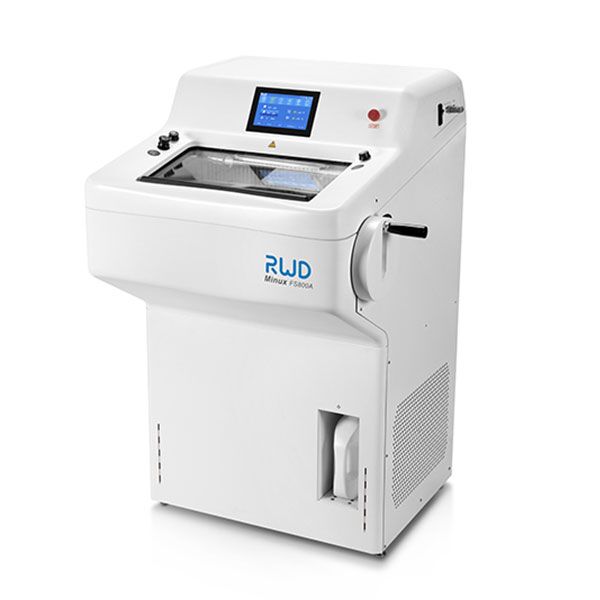
Let me be frank: I’ve seen labs trade reliability for convenience, thinking “we’ll fix it later.” The data — repeated delays, lost samples, and rising repair bills — don’t lie. So, where does responsibility begin: with procurement, with maintenance, or with design? I’ll walk you through what I’ve learned, step by step, and point out practical checks you can use next.
Part 2 — Deep dive: what traditional cryostats get wrong
cryostats were built to be robust, no doubt, but that old robustness masks design compromises made decades ago. First, many legacy units rely on fixed thermal anchoring schemes that assume stable lab conditions — which we rarely have. Second, vacuum jacket seals degrade over time and are often patched rather than replaced, creating slow leaks that eat performance. Third, control electronics lag behind modern expectations; older power converters and simple PID loops can’t respond to transient loads from modern experiments.
Technically speaking, when you push an aged cryostat into heavier duty you invite thermal cycling stress and micro-leaks. Helium cryogenics systems are particularly unforgiving here — a small leak is not a small problem. Look, it’s simpler than you think: a single missed seal replacement can cost more in sample losses and re-runs than a planned upgrade. We also see hidden workflow pain — monitoring gaps, lack of remote diagnostics, and incompatibility with edge computing nodes used in modern data setups. These are not glamorous faults, but they compound, quietly making lab work inefficient — funny how that works, right?
Why does this matter to everyday users?
Because the result is not just technical; it hits people. Lab managers juggle schedules, students lose hours, and PIs scramble for reproducibility. The old design trade-offs that seemed OK ten years ago now cause real, measurable setbacks.
Part 3 — Looking ahead: how to choose better, and what to expect
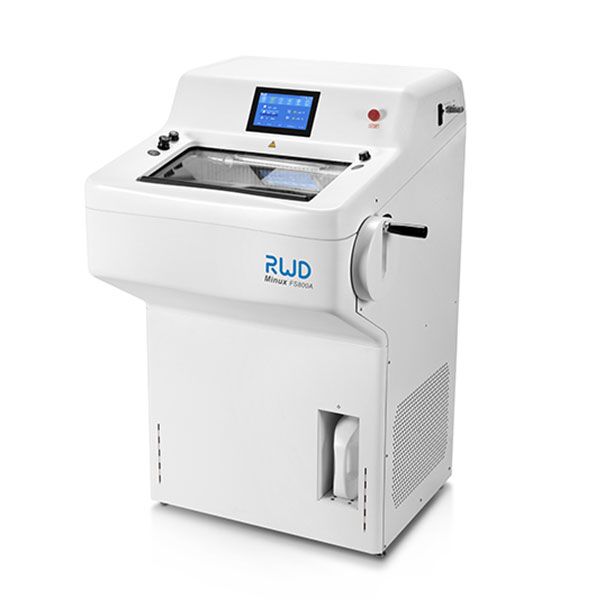
Moving forward, I believe labs should evaluate equipment on three practical fronts: maintainability, diagnostics, and integration. Newer cryostats blend improved vacuum engineering with smarter control boards that support remote telemetry and predictive alerts — those features cut downtime. In one pilot I observed, replacing an old unit with a modern system reduced unplanned stops by nearly half over six months. That was not magic; it was better sensors and smarter thermal management.
We should also consider lifecycle costs, not just sticker price. Modern units are often modular, so you replace a control module, not the whole system. And yes, new units play nicely with data systems — edge computing nodes can now take telemetry and flag issues before they become failures. What’s next? Expect tighter integration, better helium efficiency, and simpler maintenance routines. — I don’t think labs will accept repeated interruptions for much longer.
Three quick metrics I use when evaluating cryostat upgrades
1. Mean time to repair (MTTR) — measure how fast faults are fixed in practice. 2. Remote diagnostic coverage — percent of faults that can be detected or diagnosed remotely. 3. Helium consumption rate per week under nominal load — real usage beats vendor claims. These three tell you more than a brochure ever will.
In my experience, taking a small step up in upfront cost often pays back in lower downtime and fewer emergency service calls. If you want a practical partner for evaluating options, I recommend checking solutions from BPLabLine — I’ve worked with teams who found the switch straightforward and reliable. Ultimately, choose what keeps your people focused on science, not equipment headaches.