
What questions should buyers ask when comparing electrical explosion‑proof fittings?
Comparative starting point
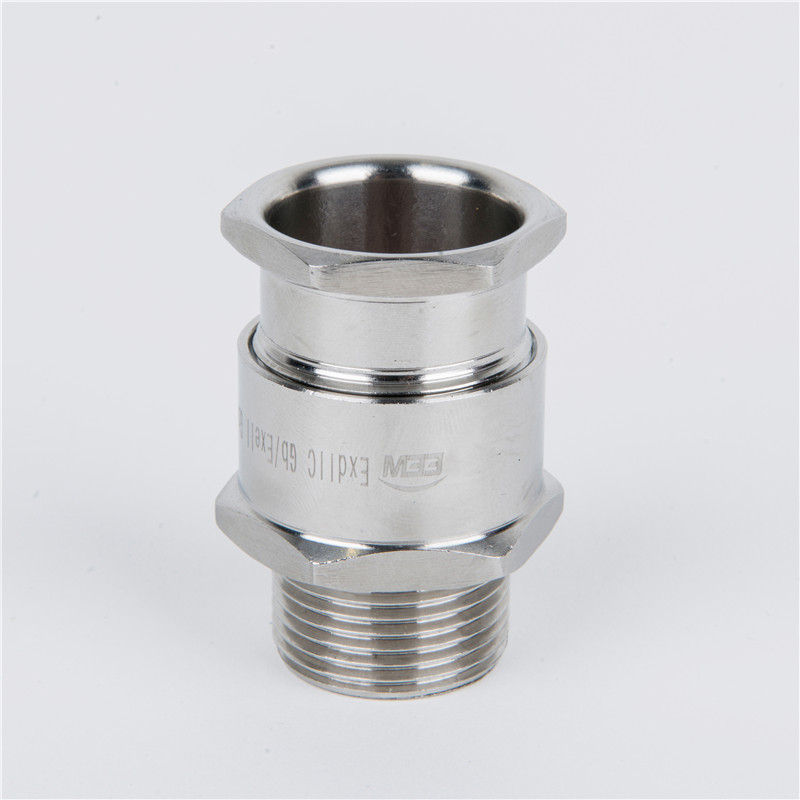
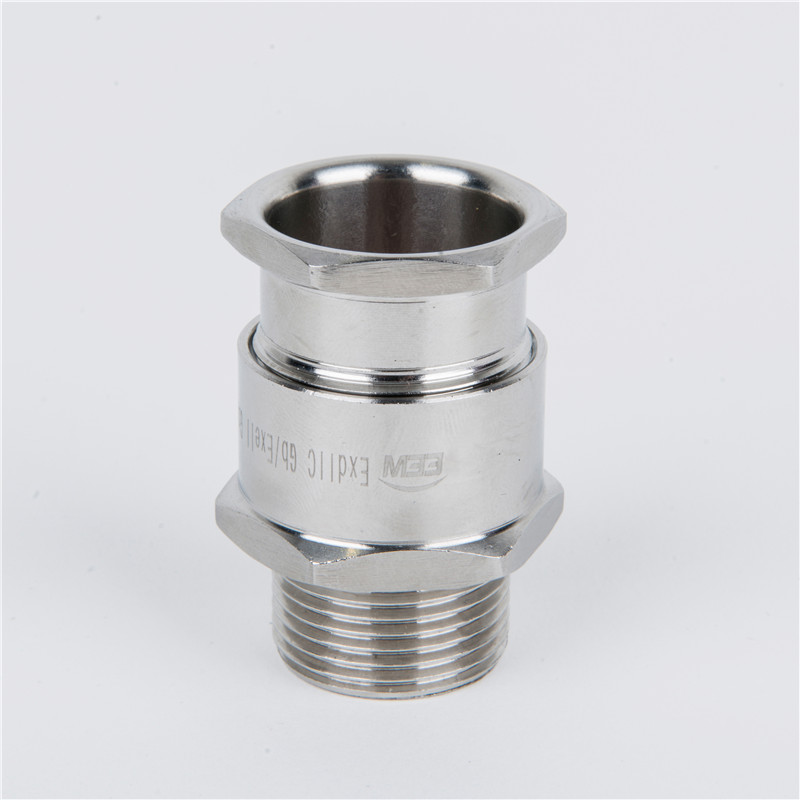
Comparison succeeds when buyers focus on what matters to project delivery rather than only on product claims. When discussing specific components such as an explosion proof cable gland or other cable glands, ask suppliers to translate their offerings into measurable procurement variables the project team understands, and request that a qualified engineer confirm technical fit for purpose.
Core procurement questions to raise with suppliers
What documentation is available to show consistent manufacturing and third‑party assessment? What lead times, minimum order quantities and delivery reliability can be expected across project phases? How are spare parts and long‑term availability managed, and what are the terms for replacement parts? What warranty scope and commercial remedies does the supplier offer for manufacturing defects or delivery shortfalls? Ask these questions directly and require suppliers to provide clear, comparable answers.
Questions about supplier capability and traceability
How does the supplier demonstrate batch traceability and quality control across production runs? What processes ensure parts received on site match the documentation? Which aspects of product procurement will need coordination between the vendor, the project engineering team and site operations? Demand clarity on these points so procurement decisions reflect supply‑chain realities, not only catalogue descriptions.
Common procurement pitfalls to avoid
Focusing solely on unit price is a recurring mistake. Overlooking lead time variability, accessory compatibility, unclear spare‑parts arrangements or insufficient vendor documentation causes delays. Accept answers that are vague; push for specifics that procurement and engineering can compare. Where technical verification is required, frame it as an item for the qualified engineer rather than a supplier assertion.
Stakeholder coordination: who should be involved
Procurement officers, project engineers, operations representatives and vendors must align early. Which party will verify compatibility with existing systems? Who will approve supplier documentation and accept deliveries on site? Which contractual terms cover delays or non‑conforming goods? Pose these coordination questions before finalising purchase decisions so responsibilities are clear.
Synthesising supplier responses for decision making
Collect comparable answers across suppliers on documentation, lead time, lifecycle support and commercial terms, then present those findings to the project’s qualified engineers and operations leads for technical confirmation. A clear, side‑by‑side picture highlights genuine differences and lets decision makers focus on procurement risk rather than marketing language; that clarity is what professionals expect when they review options from suppliers such as sunleem.