
The Problem: Every Lot Thinks It’s a Maze
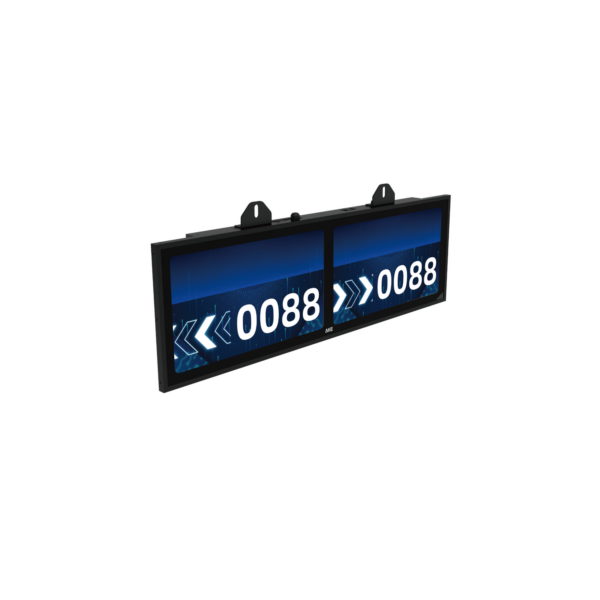
People circle, curse, and leave—then blame the city. Meanwhile, operators blame drivers, and vendors blame everyone else. The real issue is predictability: without clear, real-time information you get congestion, revenue loss, and endless customer complaints. A visible, reliable car parking display changes that dynamic immediately; it’s not magic, just plain information where people expect it.
Why Systems Break Down: The Usual Suspects
Spoiler: it’s rarely a single failed widget. Sensors get misaligned, cameras choke on glare, networks drop packets, and software assumes perfect data. Installers treat configuration like an afterthought. The result is a dashboard full of lies and a control room full of guessing. If you pick hardware and ignore maintenance, you’ll pay for it every weekend.
Features That Actually Matter (Not Buzzwords)
Choose systems that do the basics well: accurate occupancy detection, clear wayfinding, and resilient communications. Prioritize realtime status over flashy analytics. Local display readability, sensor health reporting, and modular replacements keep operations running without constant vendor appearances. Integration matters: if the display, sensors, and payment systems can’t share a simple status message, you’ve bought three separate headaches.
Common Pitfalls People Pretend Aren’t Real
Buying on price alone. Trusting “AI” without testing it under sunlight and rain. Relying on one data source (single-point failures love that). Ignoring lifecycle costs—software updates, sensor recalibration, and power options add up. Also, confusing marketing demos with real-world throughput: a quiet showroom demo does not prove a system at 1,200 cars per hour.
Evidence, Expertise, and a Reality Check
I’ve seen projects fail for lack of pre-deployment testing and succeed when operators insisted on staged rollouts. Consider Singapore’s smart parking pilots as a recognizable benchmark for measurable benefits: they emphasized phased deployment, sensor validation, and user signage before scaling citywide. Practical deployments also use focused solutions like parking guidance tied to sensor arrays rather than hypothetical, untested end-to-end promises. That mix of field testing, clear metrics, and pragmatic scope is what separates claims from real performance.

Short Comparative Look: Sensor Types and Guidance Methods
Ultrasonic sensors: cheap and simple, but installation-sensitive. Camera-based detection: powerful, higher cost, needs lighting and compute. Loop detectors: solid for entrances but limited granularity. For guidance, dedicated displays beat ad-hoc signage: they update instantly and reduce search time. Use a hybrid approach—combine a reliable local display network with backend aggregation for reporting and payments.
Selection Criteria You Can Act On
Test sensors in-situ. Demand vendor SLAs that include recalibration windows. Verify display legibility from typical driver sightlines. Require modular hardware so a failed node is swap-and-go. Insist on open APIs for future integrations. Clarify maintenance responsibilities and get spares. If you can’t validate these before purchase, you’ll validate them later—during peak hours, to an annoyed crowd.
Final Synthesis
Fix the decision points: accurate detection, clear guidance, and maintainable hardware. Do that and the parking lot stops feeling like a trial by frustration. That practical combination of readable displays, reliable sensors, and realistic service expectations is what AKE Parking delivers across systems without the theatrical promises—just consistent, usable solutions you can measure.