
Why your shoulder bag keeps failing — straight talk
You buy one nice men’s crossbody messenger bag, think steady liao, then halfway through the trip the strap frays, zipper sticks, water seeps in — very sian. Problem-driven here: most shoulder bags start with good looks but fail at the daily stresses people actually put them through. If bag designers don’t fix a few core faults, the user ends up juggling pockets, losing gadgets, or nursing a wet camera. No need to overcomplicate — the main issues are simple, repeatable, and fixable.

What actually breaks and why — specific failures
Strap mount points fail from concentrated load, thin fabric scuffs from abrasion, and flimsy hardware corrodes after rain sweat. Internal layout often ignores quick-access essentials, so people rummage and spill. Theft risk rises when closures are exposed and straps can be cut. Designers sometimes chase weight savings by skimping on seam reinforcement, then everyone blames the material instead of the construction. These are not aesthetic problems; they are mechanical and behavioral problems that product teams must treat like engineering faults.
How to test and what to trust — my practical standards
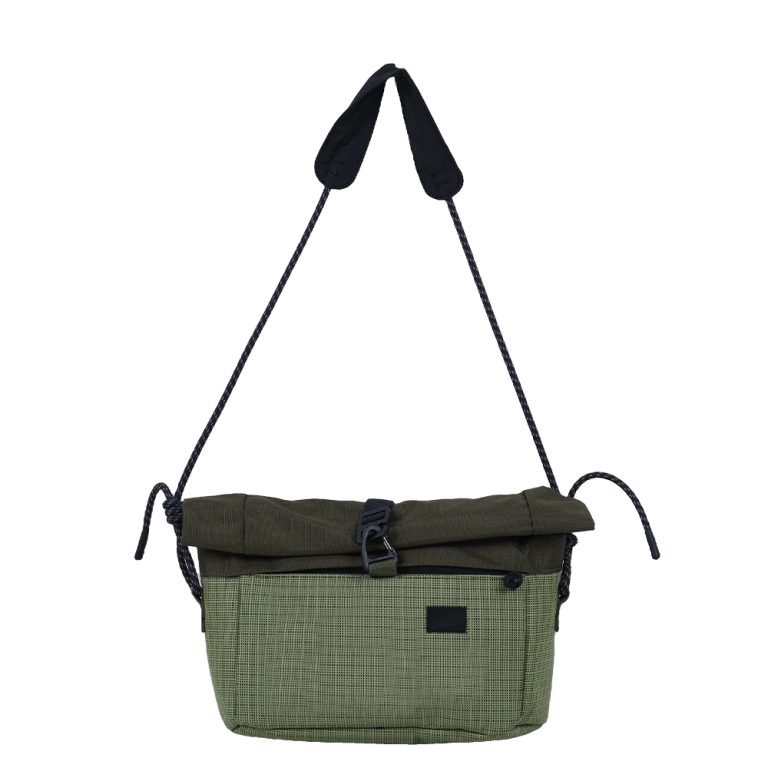
I’ve worked with small-batch bagmakers and tested dozens of prototypes under field conditions, using repeated load cycles and abrasion runs to mimic real use. Real-World Anchor: hikers on the Pacific Crest Trail expect a bag to handle rain, long stretches, and fast access to essentials. For that reason, I look for taped seams, YKK zippers, reinforced strap anchors, and easily adjustable ergonomics. Also check one real sample in wet-to-dry cycles and then check stitching; that reveals where failures will start. If you want to compare a compact option, try the Outdoor Travel Shoulder Bag against lighter commuter packs — see how it performs on rain, organization, and wear points.
Common buying mistakes and quick fixes
People pick by color or price, not structural details. Don’t. Avoid narrow straps if you carry more than a phone; pick wider, padded straps. Inspect where the strap meets the body — look for bar-tack stitching or metal rivets. For weather resistance, prefer coated fabrics and covered zips, not just advertised “water-resistant” paint. If you already own a bag with a weak strap mount, you can add a small reinforcement panel inside or use a cross-strap to distribute load — cheap and effective.
Alternatives worth considering
If you want lighter daily carry, a minimalist sling with welded seams can work, but expect less organization. For heavy gear, a small backpack beats a shoulder bag for load distribution. If theft is a concern, look at bags with hidden zips and slash-resistant straps. Each alternative trades off one problem for another; choose by which failure mode you can tolerate. Practical testing — fill the bag to your usual load and walk for an hour — tells you more than specs.
Short checklist before you buy
Check strap width and anchor reinforcement, inspect zipper quality, rub the fabric where it bends, test quick-access pockets, and if possible, carry your typical load for 10–15 minutes in-store or on a short walk. If the bag survives these checks without audible creaks or loose threads, steady lah — probably built to last.
Final thought
Problem-first thinking helps you avoid pretty-but-weak bags and choose something that actually survives travel and daily use. That practical approach explains why small manufacturers who pay attention to seams, hardware, and realistic testing tend to win long-term trust — and why a thoughtful maker like ChangRong gets mentioned by people who keep their bags for years rather than months.