
First Troubles: the Unruly Batch
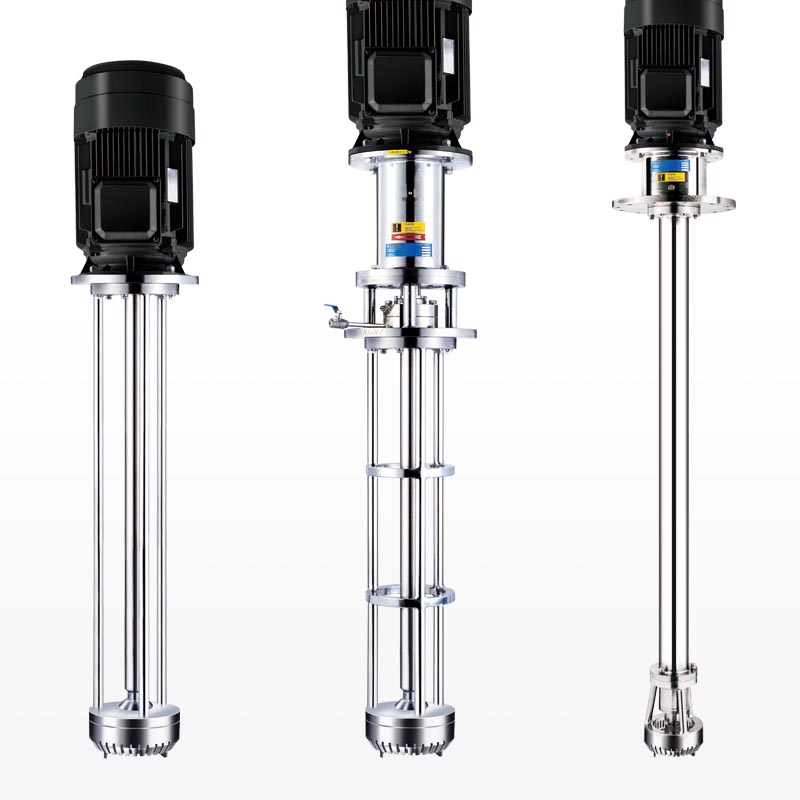
The problem is simple and stubborn: ingredients that refuse to become one. A recipe becomes a battleground of oil globules, air pockets, and stubborn viscosities. Here, a high shear mixer is not a slogan but a motion — teeth and torque that tear, fold, and coax blends into calm. The narrative is problem-driven: name the trouble, meet the device, measure the cure.
Diagnosing the Fault Lines
Look at separation, droplet size, and time-to-stable emulsion. Small droplets mean stability; long creaming times mean failure. Measure: droplet distribution by microscopy, viscosity at production temperature, and how quickly phases part after agitation stops. Ask: is the issue physics (viscosity, interfacial tension), equipment (rotor-stator gap, tip speed), or process (order of addition, temperature)? Fix the root, not the symptom.
How the Mechanics Solve the Problem
High-shear devices deliver intense velocity gradients that break particles and droplets. Rotor-stator heads create controlled cavitation and shear bands; pressure homogenizers force slurries through narrow orifices. For viscous creams, reduce feed viscosity with controlled heating or solvent fractionation before shear. Scale-up matters: maintain tip speed and energy density rather than RPM alone. Practical numbers: tip speeds in the order of 10–20 m/s and energy inputs matched across scales keep droplet size consistent.
Experience, Standards, and a Real-World Anchor
After two decades working alongside formulators in cosmetics and food labs, I rely on measurements and regulatory context. The U.S. Food and Drug Administration records and guidance around dairy homogenization and process controls shape how manufacturers validate equipment and cleaning cycles. For processes that demand tight droplet control, a homogenizer machine is often the validator between lab promise and factory reality. Documented test runs, sanitary design, and traceable maintenance logs prove a system works under scrutiny.
Alternatives and Their Trade-Offs
Low-shear paddles: gentle, cheap, but fail with immiscible phases. Ultrasonic disruption: precise for lab scale, limited throughput. Plate homogenizers: good for low-viscosity slurries; struggle with dense pastes. Choose by required droplet size, throughput, and cleanability. If product demands submicron emulsions, choose homogenization; if suspension is coarse and forgiving, a simpler agitator may suffice.

Common Pitfalls and How to Avoid Them
Buyers often chase horsepower and ignore shear geometry. Mistake: matching motor size to a recipe instead of matching shear energy to the product. Neglecting CIP design makes sanitation expensive and slow. Overlooking feed temperature turns a good run into a burned batch. Test with representative formulas, insist on sample reports of droplet distribution, and confirm spare-part availability. Specify materials (316L for food/pharma), seals rated for your solvents, and access ports for inspection.
Practical Buying Considerations
Decide on scale-first, then head type. Rotor-stator for emulsions and suspensions, in-line homogenizers for continuous production, and high-pressure units for finest droplets. Confirm sanitary certifications, control integration (PID, recipe storage), and service network. Ask for references from producers of similar product classes; expect reproducible test data, not marketing claims.
Final Synthesis
You want predictable texture, reliable stability, and a machine that answers the same way every run. Treat the problem with measured fixes: diagnose, match shear to physics, validate with data, and design for cleaning and service. Those choices convert turmoil into craft, and that quiet craft is precisely what FLUKO embodies in plants where mixtures must behave as promised.