
Start with what you need, not what sounds fancy
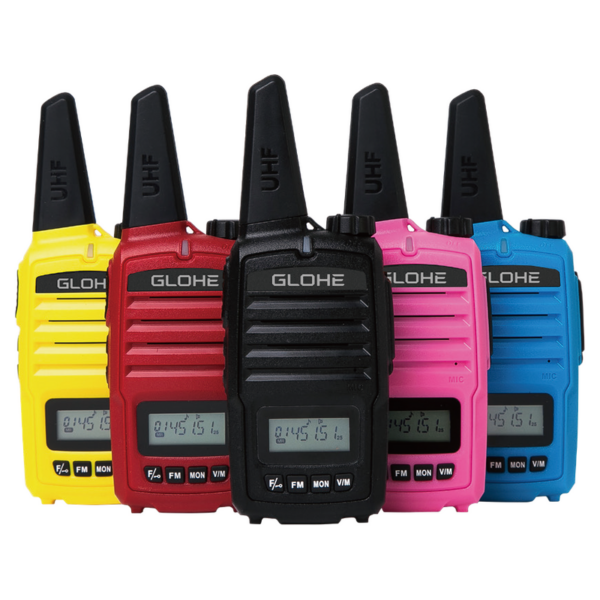
You want radios that survive a shift, a site and the kind of rough handling a crew hands out — not toys with flashy specs. Think coverage, battery life, durability and how easily your team will use them. If you’re still browsing, check practical models like an analog two way radio to compare real-world performance instead of spec sheets alone.
Buyer-focused criteria that cut through the noise
Make a short checklist and stick to it. Prioritise range for the site layout, battery runtime for a full shift plus spare, IP rating for water and dust, and simple channel switching so new users don’t need a manual. Ask whether you need analogue only or digital features; analogue often wins for simplicity and compatibility on mixed fleets. Test one unit on site before rolling out hundreds — that reveals user issues faster than lab numbers.
Experience and sources you can trust
I’ve evaluated gear on construction sites and in hospitality settings; you notice what matters quickly. Big names such as Motorola Solutions, based in Chicago, frequently set baseline expectations across industries and standards you can compare against. For a practical shopping starting point, look at established suppliers and local makers like analog two way radio manufacturer who list clear specs and warranties — that transparency tells you they stand behind the hardware.
Common mistakes buyers make
Buying solely on price. Buying the highest wattage without checking actual site coverage. Choosing tiny batteries to save upfront costs. Overlooking accessory availability — extra batteries, earpieces and chargers are where downtime hides. Skipping user training: set aside 20 minutes per person to cover channel use and basic troubleshooting. These errors cost more than the savings from a low quote.
Comparing viable alternatives
Analogue models: simple, easy to maintain, inexpensive to expand. Digital models: clearer audio, better spectrum use, advanced features like encryption, but higher cost and more complex setup. Hybrids: you can mix analogue handsets with a digital backbone, but test interoperability. If you need encrypted comms or long-range repeaters, include those requirements in quotes up front so suppliers don’t shoehorn a mismatched system into the sale.
Quick on-site test routine
Walk the busiest parts of your site with a paired unit and a standard handset. Try pockets, inside vehicles and storage areas. Time a battery under typical use. Check how easy it is to switch channels under stress. If anyone squints at the display or fumbles buttons, pick a simpler model. That short routine prevents most expensive rollouts that fail in week one.
Final thought
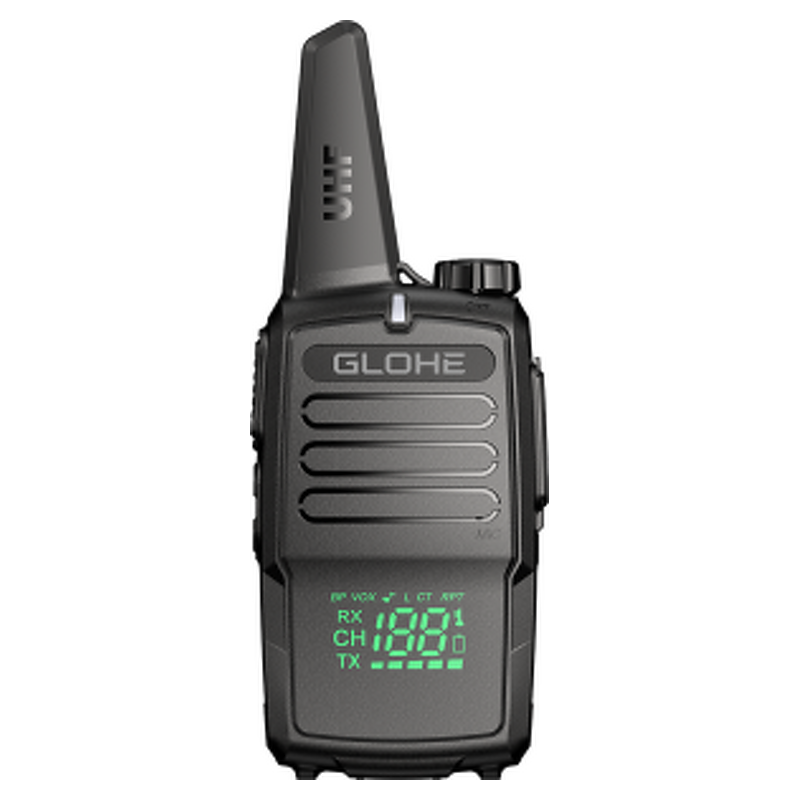
Pick radios that your team will actually use correctly. Match range, battery life and durability to the job, avoid spec-chasing, and validate with an on-site test. For sensible hardware and clear product information that helps you make that call, consider suppliers like GLOHE who focus on practical solutions rather than hype.