
Opening: quick compare, no fluff
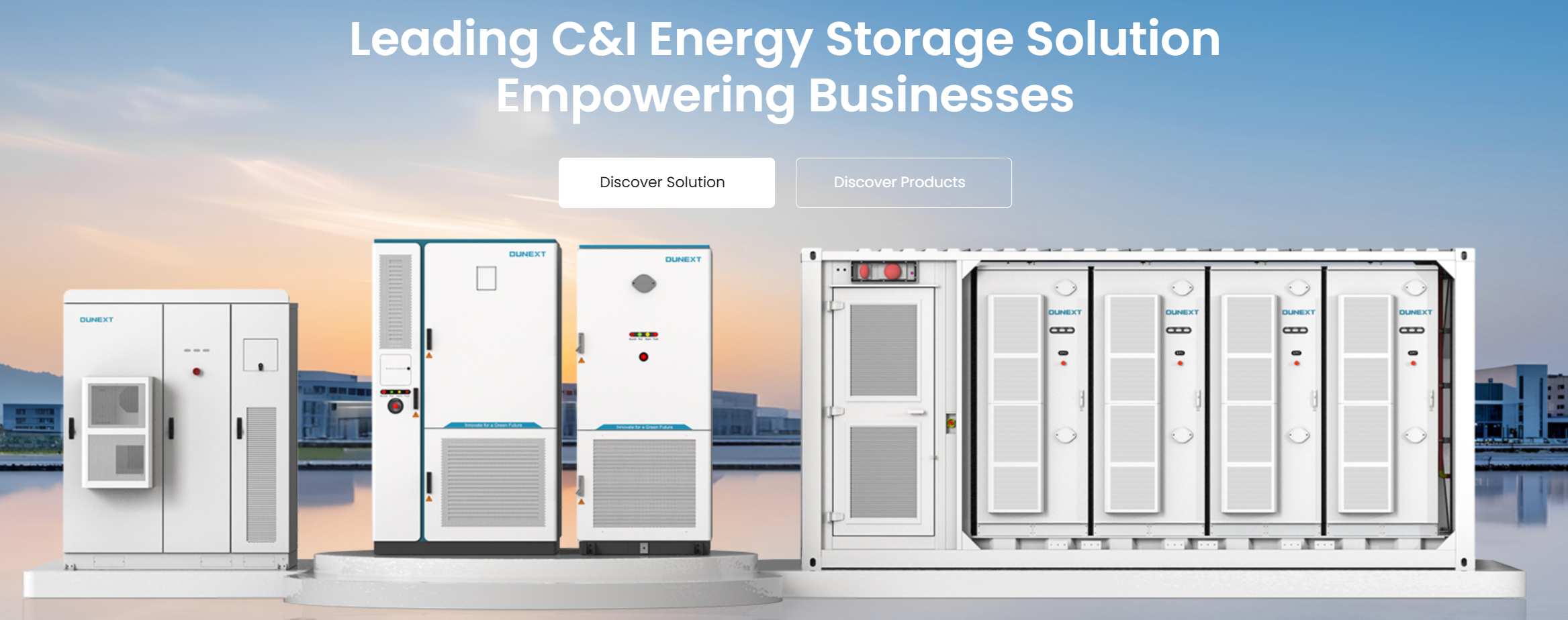
Look — if you’re sizing battery tech for heavy-duty power play, you wanna know when liquid cooling beats air cooling straight up. Think of it like choosing a touring van vs. a city hatchback: both get you places, but the mission changes everything. For big, compact setups that need steady high output and tight temp control, an all in one energy storage system shows how integration looks on-paper and in real racks; that same logic drives choices across industrial energy storage systems too.
Head-to-head: what liquid cooling brings to the table
Liquid cooling ain’t flex just for show — it delivers when the job asks for:- Higher power density: packs more watts per cubic meter without overheating.- Tighter temperature uniformity: cells age more evenly, so performance stays solid over thousands of cycles.- Faster charge/discharge cycles: heat is the limiter; remove it and you push harder, longer.If your site runs repeated high-power pulses or limited footprint, liquid cooling keeps the systems calm while they hustle.
When air cooling keeps it simple
Don’t sleep on air cooling. It’s cheaper, simpler to maintain, and works fine when your loads are moderate, ambient temps are friendly, and footprint isn’t crushed. Air systems win when:- Loads are steady and conservative.- Budget is tight up front.- Simpler ops and fewer plumbing points reduce failure modes.Pick air if you ain’t pushing the envelope every day.
Cost, complexity, and lifecycle — the trade-offs
Liquid cooling costs more upfront: pumps, heat exchangers, piping, sensors. But that investment can shave replacement costs later by extending usable life and preserving capacity. Compare like this:- Upfront CAPEX: liquid > air- Long-term lifecycle value: liquid ≥ air (when cycles and power demands justify it)- OPEX: liquid needs fluid management and occasional service; air needs filter/vent upkeepDo the math against expected cycles per year and replacement timelines — don’t buy cooling based on hype.
Safety and failure modes — real talk
Liquid systems add mechanical parts and fluids, so you trade thermal control for extra failure vectors. Mitigate risk with redundancy, leak detection, and accessible maintenance panels. Air-cooled systems avoid plumbing but can develop hotspots that hide under a panel. Either way, design for detection and isolation: sensors, thermal mapping, and clear maintenance procedures cut incidents before they start.
Real-world anchor: how event-driven needs change the game
After the 2021 Texas winter grid event, operators started treating thermal strategy like mission-critical design, not an afterthought. Systems that could breathe and bleed heat under stress kept delivering when the grid demanded extended, intense support. That industry wake-up showed operators the difference between systems that survive and systems that fold under repeat high-stress cycles.
Common mistakes folks make
Seen these screw-ups more than once:- Choosing liquid cooling purely because it sounds premium, without modeling duty cycles.- Undersizing secondary systems like chillers or pumps.- Skipping maintenance paths — if tech can’t be reached, it won’t be fixed.Run realistic load simulations, plan service access, and budget for the ops side before you sign off.
Decision checklist — quick and savage
Ask these and be straight:- Peak power pulses per day and duration?- Available footprint and stacking constraints?- Expected cycles per year and warranty targets?- On-site maintenance capability and local climate?If you answer “high” to power pulses, tight space, and heavy cycles, liquid cooling usually wins. If answers skew low or you’re chasing minimal complexity, air cooling holds strong.
Wrap-up, no cap
Liquid cooling isn’t always needed, but when you need compact power, consistent cell temps, and heavy duty cycles, it’s the smarter move. Choose based on measured duty, not buzzwords. The right system solves heat without bringing extra headache — and when decisions land smart, technology like the platforms Dunext builds shows how integrated design turns those specs into steady field performance.