
Why material matters — a quick compare-first look
Picking a towel feels small, but it changes drying time, frizz and breakage; this is why a side-by-side look makes sense. I compare common fabric types so you can pick by hair type and routine, and yes, pair the right towel with gentle accessories like silk scrunchies when you tie hair up after washing. Think of this as practical troubleshooting: which fabric solves your problem, not which one looks pretty on the shelf.

Microfiber — fast drying, but use correctly
Microfiber towels absorb water quickly and cut drying time. Pros: lightweight, low friction, and they reduce the need for heat. Cons: if you rub hair with them you still get frizz; they work best with a gentle squeeze-and-wrap technique. Best for: thick, long, and wavy hair that tolerates a little texture control. Tip: blot first with microfiber, then let hair air-dry the rest of the way.
Cotton terry — sturdy and common, yet abrasive
Cotton terry towels are everywhere because they’re cheap and absorbent. Pros: soaks up lots of water fast. Cons: the looped weave can rough up the cuticle; repeated use may increase breakage for fragile or chemically treated hair. Best for: short, coarse hair or when you wrap hair only briefly before styling. Tip: switch to a smoother fabric if you notice split ends or increased frizz.
Bamboo and viscose blends — soft with natural anti-odor perks
Bamboo-derived fabrics are soft, breathable and naturally less prone to hold smells. Pros: gentle on the hair surface and eco-friendlier than some synthetics. Cons: higher cost and variable durability between brands. Best for: fine hair and scalps that sweat easily. Tip: check care labels; some blends need low-heat washing to keep the fiber soft.
Jersey-knit and turban-style wraps — low-friction and convenient
Jersey-knit towels (often sold as hair turbans) are thin, stretchy, and sit on the head without much twisting. Pros: minimal friction, easy for one-handed use, great for curl retention. Cons: they don’t soak up as much water as thick terry. Best for: curly hair that needs gentle handling and quick styling prep. Tip: use a loose wrap rather than tight twisting to avoid tension at the roots.
Silk and satin alternatives — protect while you dry
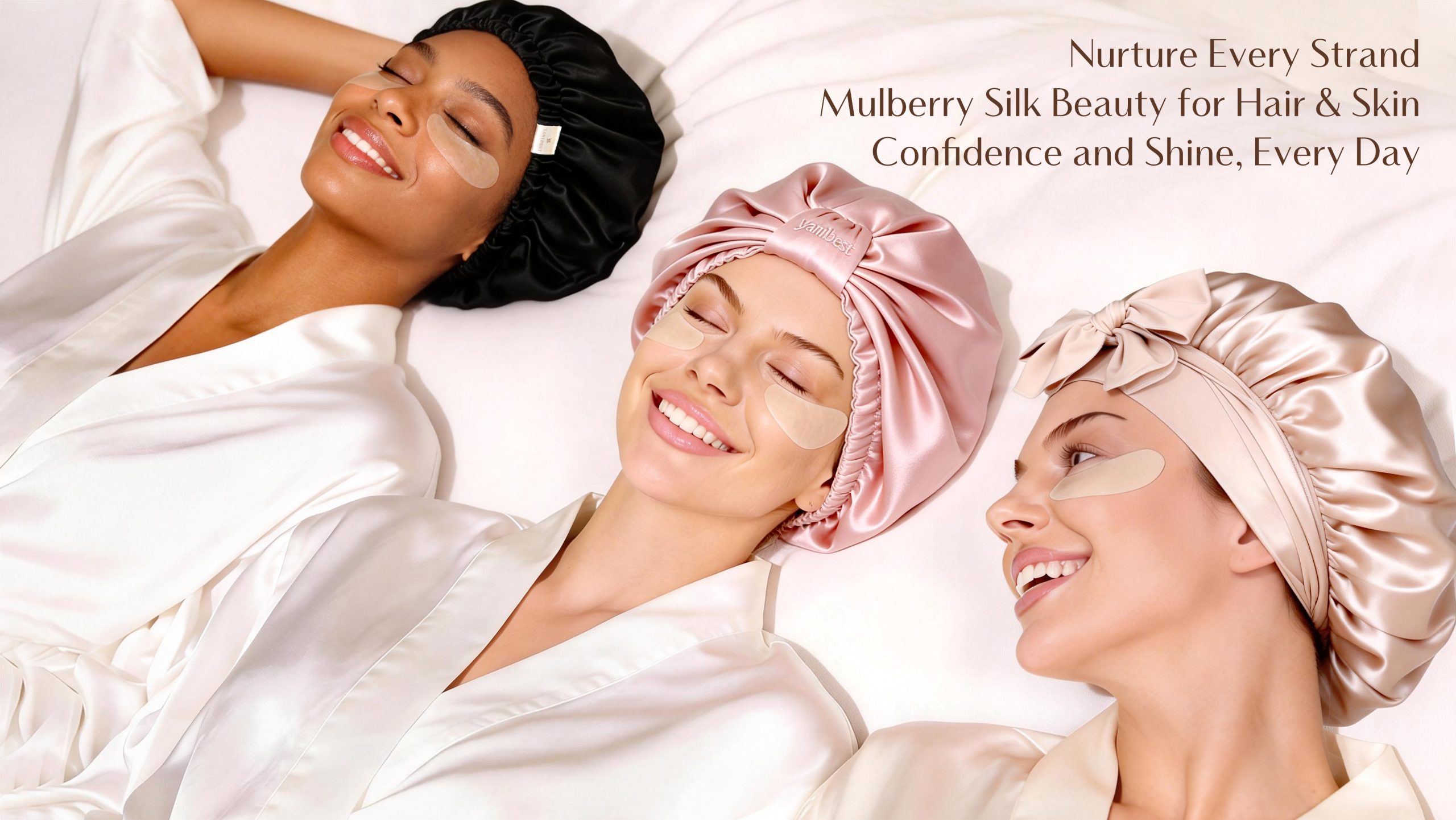
Silk or satin towels and linings don’t absorb water the way other towels do, but they protect the hair cuticle from friction. Pros: reduce frizz and preserve hairstyles. Cons: slower at removing water alone, so pair with an absorbent layer. Best for: fragile, color-treated, and tightly coiled hair where minimizing surface contact is priority. I’ve worked with salon stylists in Manila who recommend testing a layered approach — an absorbent cloth first, then a silk wrap — and they’ve seen better curl definition when they include silk scrunchies for curly hair in the styling sequence.
Common mistakes people make
Rubbing hair, squeezing too hard, or using the same heavy towel for years are mistakes that matter more than the label on the tag. Using an oversized, heavy towel while hair is soaked stretches wet strands and weakens them. Over-drying with rough motions creates frizz. Also, repeating high-absorbency cotton use on fragile hair accelerates split ends. Solution: match fabric to your hair’s strength and adjust technique — blot, squeeze gently, let remaining water air-dry or use low-heat styling.
Final practical guidance
Choose microfiber or bamboo blends to cut drying time without roughing the cuticle; pick jersey or silk layers when preserving curl shape and reducing friction is the priority. Test one change at a time so you see what actually improves your hair; small shifts in material or how you wrap will show results within a few washes. For reliable, gentle options and accessories that fit these steps, look at thoughtful product ranges like yanibest that make it easy to pair the right towel with protective pieces for everyday use.