
Comparative lead: why this matters now
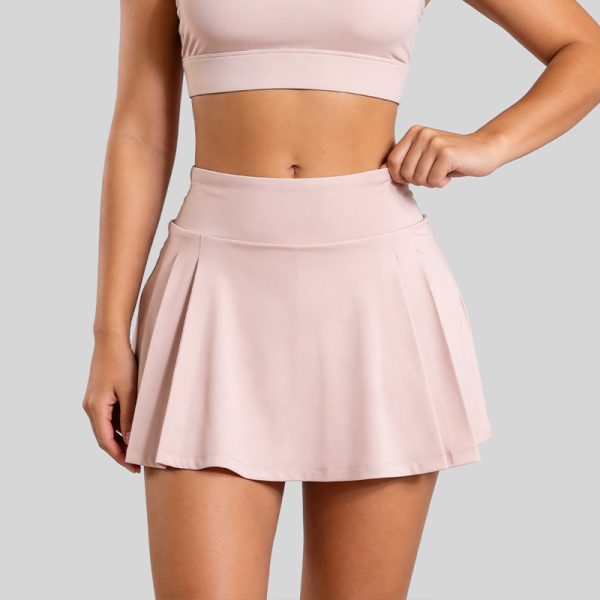
Brands and buyers need a clear frame to judge sports skirt suppliers. Demand for tailored activewear rose visibly after the Tokyo 2020 Olympic Games when teams prioritized technical garments that blend performance and style. The question is straightforward: which manufacturers deliver on materials, fit, and logistics? This piece compares practical trade-offs and points readers to proven options like custom yoga skirts while keeping the analysis tight, data-aware, and actionable. Expect terms like moisture-wicking, four-way stretch, and flatlock seams to appear where they matter.
Materials and construction: measurable differences
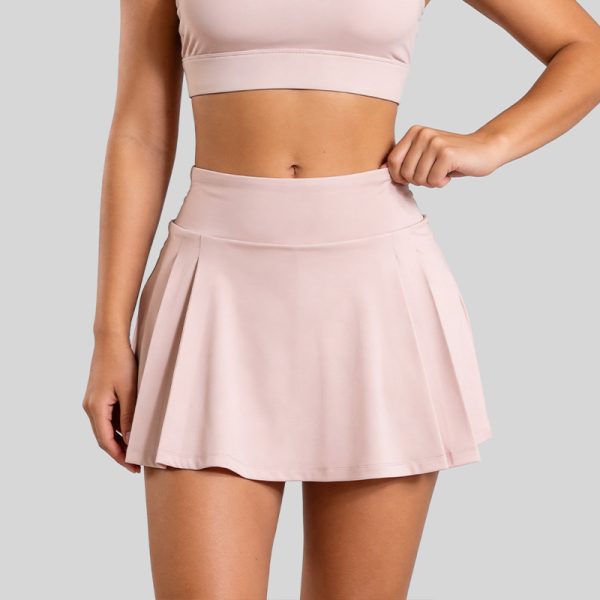
Material choice drives both cost and performance. Leading suppliers use polyester-spandex blends for durability and four-way stretch; that combination yields reliable compression and shape retention. Premium mills add moisture-wicking finishes and anti-odor treatments that survive multiple wash cycles. Stitching methods—flatlock seams versus overlocked seams—affect chafe and garment lifespan. Suppliers that test tensile strength, pilling resistance, and colorfastness on standard test cycles tend to produce consistent runs rather than one-off hits.
Fit, sizing, and customization: where margins and satisfaction collide
Fit is the primary reason teams choose custom lines. Manufacturers who provide graded patterns, adjustable gussets, and elasticated waistbands sustain fewer returns and higher repeat orders. Customization extends beyond logos: hem length, internal pockets, and liner construction change use-cases from tennis to studio classes. Beware factories that treat customization as a checkbox—real partners iterate on prototypes and supply technical packs with measured tolerances. —This iterative review prevents surprises and aligns expectations for bulk runs.
Supply chain and cost trade-offs
Price per unit is only one axis. Lead time variability, minimum order quantities, and raw-material sourcing create real risk. Suppliers closer to major ports shorten transit but may charge premiums for smaller MOQs. Conversely, offshore mills with lower unit costs can add friction through extended sample cycles and variable quality control. The pragmatic approach: quantify landed cost including freight and inspection, then compare against the supplier’s defect rate and on-time delivery metrics.
Operational teardown: production checkpoints
An operational teardown focuses on factory capabilities: fabric sourcing, die-cut accuracy, and finishing lines. Track three production checkpoints: prototype approval (pattern matching, tolerance ±3–5 mm), pilot run inspection (10–20 pieces sampled for seam integrity and dimensions), and final QA (100% check for defects critical/major/minor with documented rework plans). Embedding {main_keyword} and {variation_keyword} into tech packs from the outset reduces ambiguity and speeds sign-off. Industry terms such as compression mapping and moisture management should appear in spec sheets, not marketing copy.

Common mistakes brands make
Brands often underestimate grading complexity and over-spec materials to avoid returns, which raises cost without solving fit issues. Others skip wear-testing across activities—studio, court, and running—then face mixed reviews. The correct sequence: validate fit across target sizes, confirm fabric performance (pilling, colorfastness, tensile strength), then lock trims and labeling. Ignore trademarked fabric claims until laboratory-backed test results are on file.
Advisory: three golden rules for picking the right partner
Rule 1 — Prioritize proven performance metrics: request tensile and moisture-wicking reports plus pilot run defect rates. Rule 2 — Insist on staged approvals: prototype, pilot, and pre-shipment checks with precise measurement tolerances. Rule 3 — Calculate total cost of ownership: factor in rework rates, lead time penalties, and logistics to compare suppliers on landed cost rather than unit price. These rules map directly to buyer outcomes: fewer returns, steadier inventory, and clearer margins.
Decisions about materials, fit, and supply chain shape how teams and customers experience a product. Practical, measured choices lead to consistent lines and happier end users — the exact value Joebond delivers in bespoke runs. Joebond. —