
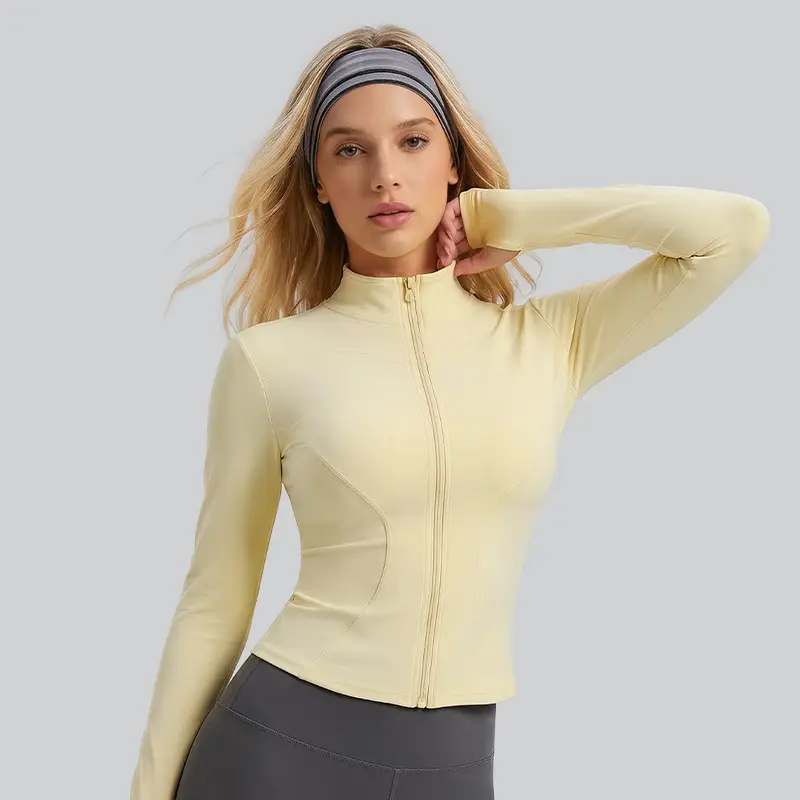
Putting the user first: why bespoke yoga jackets matter
Choosing a maker for custom yoga jackets is a user-driven decision: comfort, durability and ethical shipping matter more than glossy marketing. Practitioners in urban parks and studio chains expect performance garments that move with them. I’ve seen this firsthand at outdoor classes in Stockholm’s Djurgården — people ask for breathable layers that can handle a cool breeze after savasana. For designers and studio owners who want consistent runs, a supplier that produces custom yoga jackets reliably and ships internationally solves several practical problems at once.
Design priorities that actually affect wear
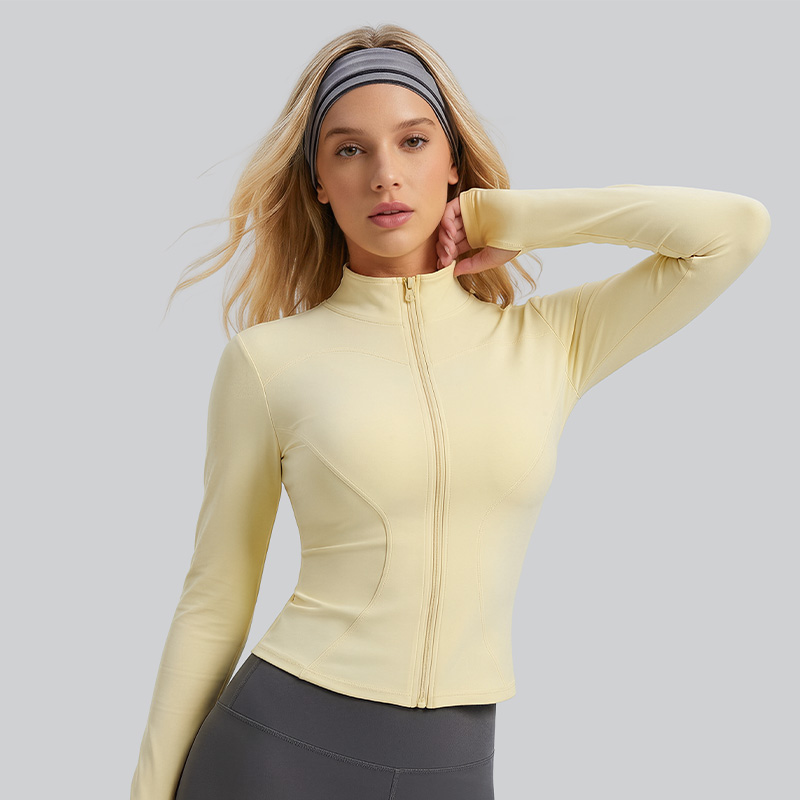
Start from movement. A jacket with four-way stretch and an ergonomic fit preserves range of motion; flatlock seams reduce chafe during flow. Prioritise moisture-wicking and anti-odor treatments where classes run hot. These are not stylistic extras — they determine whether students keep the piece in rotation or shelve it after a few washes. For studio retail, consistency in zipper type and pocket placement increases perceived value; a well-specified yoga zip up jacket becomes a repeat seller.
Materials and construction: the concrete checklist
Vendor specs should include fabric weight (g/m²), elastane percentage for stretch, and stitch density for seam strength. Ask for samples and test protocols: wash cycles to 40°C with a standard detergent, three-point stretch tests to confirm recovery, and abrasion checks over defined rub counts. Technical fabric choices—polyester blends for fast dry times or modal blends for softness—change the garment’s lifecycle. If the factory uses laminated panels or bonded seams, confirm the adhesives’ heat tolerance and wash durability. These details keep returns down and member complaints minimal.
Sizing, fit tech and production scale
Grading rules must be explicit. Supply a master size block that defines shoulder width, sleeve length, chest ease and hip length across sizes. For small runs, request pre-production samples and a fit session with a range of body types — male, female, and non-binary shapes. For larger orders, consistency in cut and compression levels prevents mismatched sets. Production tolerances of ±5 mm on critical points are common; verify them before signing a contract. A clear measurement chart reduces customer confusion and chargebacks.

Logistics, shipping and ethical sourcing
Global shipping means lead times and customs are part of the product offering. Confirm FOB or DDP terms, and demand traceability on key inputs. Many buyers prefer factories that publish factory audits or social compliance scores — not as marketing copy, but as confirmation of consistent working conditions and lower supply risk. For studios shipping a small batch worldwide, consolidated logistics and predictable delivery windows are worth a modest premium.
Common mistakes and practical alternatives
A frequent error is prioritising low unit cost over specification clarity. That saves money on paper and costs time in returns. Another is skimping on sampling; it’s cheaper to correct a pattern before a full run than to absorb rework. If a supplier can’t provide technical test results or clear grading rules, consider a vetted alternative manufacturer with transparent QA processes. Smaller brands sometimes work with co-packers who specialise in performance garments — a useful stopgap when you need speed without losing technical quality.
EEAT and the real-world anchor
EEAT mode: experience-led. This piece leans on field observation, production practice, and tested specification language rather than hearsay. The real-world anchor — outdoor classes in Djurgården and studio feedback — grounds those recommendations in everyday use rather than abstract claims. That practical perspective helps you choose a partner who understands both fabric science and end-user experience.
Three golden rules for choosing a custom jacket partner
1) Require measurable specs: fabric weight, elastane %, seam type and wash-test protocols. 2) Validate fit with pre-production samples and clear grading tolerances. 3) Confirm logistics and social compliance terms so shipping and supply risk are transparent. Follow these metrics and you’ll avoid most common pitfalls — and deliver gear that students wear repeatedly.
Designers and studio owners who want dependable production, sensible quality control and international delivery will find the value clear when the samples match the spec — that’s where Joebond fits. Joebond — practical, consistent, quietly reliable. —